


Introduction to Multifocal IOLs
A multifocal IOL is an advanced intraocular lens used during cataract surgery or refractive lens exchange to provide clearer vision at multiple distances. Cataracts and presbyopia reduce natural focusing ability.
This is why replacing the clouded lens with a multifocal IOL lens can improve near, intermediate and distance vision with less dependence on spectacles. Unlike monofocal lenses, which offer clarity at only one distance, multifocal lenses aim to provide a broader range of focus.
How Multifocal IOLs Work
Optical Design of Multifocal IOLs
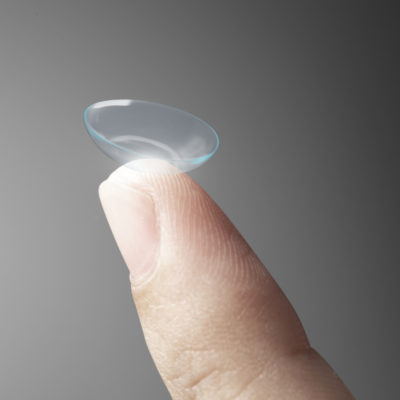
To understand how a multifocal IOL works, it is important to note that these lenses divide incoming light into different focal points. This allows the brain to interpret images at various distances. Traditional designs use concentric rings, with each ring responsible for near, intermediate or distance focus.
Types of Multifocal IOLs and Recent Innovations
There are several types of multifocal IOLs:
- Bifocal lenses: Provide near and distance vision but may cause glare or halos at night.
- Trifocal lenses: Offer near, intermediate and distance clarity and are popular across Europe and Asia.
- Extended-depth-of-focus (EDOF) lenses: Create a continuous range of focus with fewer visual disturbances; some patients may still use reading glasses.
Refractive multifocal lenses rely on curvature changes and can be pupil-dependent. Diffractive lenses use microscopic steps to split light more evenly, but may slightly reduce contrast.
Newer technologies introduced in 2024-2025, including advanced light-management systems such as TECNIS Odyssey and adaptive illumination algorithms, improve contrast and reduce halos. Adjustable lens technology, such as light-adjustable lenses, allows post-operative fine-tuning.
Benefits of Multifocal IOLs
Clear Vision at Multiple Distances
A multifocal IOL lens provides clarity at near, intermediate and far distances. This helps patients read documents, use digital devices and drive without switching spectacles. With neural adaptation, the brain learns to automatically select the best focal point.
Improved Quality of Life and Independence
Patients often report greater lifestyle freedom, as they no longer rely on reading or computer glasses. Multifocal lenses support active routines, travel, and frequent visual shifting without interruption.
Long-Term Vision Correction and Satisfaction
Multifocal IOLs are permanent and do not degrade. Once cataracts are removed, they do not recur.
Studies show high satisfaction rates, with more than 80% achieving distance independence and around 70% gaining near independence. Trifocal designs often provide better intermediate vision than older bifocal lenses.
Potential Side Effects and Limitations
Common Side Effects
Visual phenomena such as halos, glare, or starbursts may occur, especially at night. Mild contrast reduction can appear in low-light environments. These usually improve as the brain adapts, although a small percentage may experience persistent symptoms.
Who Might Not Be a Good Candidate
Patients with macular degeneration, diabetic retinopathy, glaucoma, corneal problems or significant night-vision complaints may not be suitable. Those requiring precise single-distance clarity for work, such as jewellers or graphic professionals, may prefer monofocal lenses.
Managing and Minimising Side Effects
Modern trifocal and EDOF technologies reduce unwanted glare and improve contrast. Treating residual refractive errors or posterior capsular opacification with laser may also enhance outcomes.
Candidate Evaluation: Who Should Choose a Multifocal IOL?
Selecting the best multifocal IOL depends on eye health, lifestyle and visual priorities. A good candidate has healthy retinas, limited astigmatism (or correctable astigmatism), and realistic expectations.
Considering Lifestyle, Budget and Visual Priorities
Patients who read often, multitask, work on screens or want minimal spectacle use may benefit most. Those sensitive to glare should consider EDOF options. Budget matters because multifocal IOLs cost more than monofocal lenses.
Costs vary based on clinic, brand, surgeon experience and whether astigmatism correction is added. Typical multifocal IOL price in India ranges from ₹40,000 to ₹1,20,000 per eye.
Patients searching specifically for the price of a multifocal IOL lens in India should request a detailed quote, as brands and materials vary. Insurance usually covers monofocal lenses, with an upgrade fee required for multifocal options.
Multifocal IOL vs. Monofocal IOL
The comparison between IOL monofocal vs multifocal helps patients understand their options.
Monofocal lenses:
- Provide a clear vision at a distance
- Fewer visual disturbances
- Affordable and widely covered
- Require glasses for reading or computer work
Multifocal lenses:
- Reduce dependence on glasses
- Provide multi-distance clarity
- May cause halos or glare
- Higher cost
A simple comparison:
|
Feature |
Monofocal IOL |
Multifocal IOL |
|
Vision Range |
Single distance |
Near, intermediate, distance |
|
Glasses Needed |
Yes, for near/intermediate |
Less often |
|
Side Effects |
Minimal |
Possible halos/glare |
|
Cost |
Lower |
Higher |
Cost and Insurance Considerations
Patients compare multifocal IOL cost based on brand, technology and surgeon expertise. In India, prices vary widely, so it is essential to understand what is included (lens type, diagnostics, astigmatism correction). Insurance normally covers basic surgery, but premium lenses require additional payment. Many hospitals offer EMI options.
Conclusion
A multifocal IOL provides high-quality vision at multiple distances, supporting everyday tasks without frequent glasses use. While it offers lifestyle independence and long-term convenience, it is more expensive and may produce temporary visual side effects.
Choosing between monofocal and multifocal options depends on lifestyle needs, night-vision tolerance, budget and eye health. With innovations released in 2025, these lenses now offer better contrast, fewer halos and more predictable outcomes. Consult an experienced ophthalmologist to select the best approach for your vision needs.