- Home
- Treatments
- Paediatric Ophthalmology
Paediatric Ophthalmology
What is Paediatric Ophthalmology?
Paediatric ophthalmology is a subspecialty of ophthalmology that concentrates on treating the various eye problems affecting children. Studies show that a lot of Attention Deficit Hyperactivity Disorder (ADHD) and learning issues in children can be attributed to vision problems.
At Dr Agarwals Eye Hospitals, our paediatric ophthalmologists bring decades of specialised expertise in diagnosing and managing children’s eye conditions. Our child-centric approach combines clinical precision with a gentle touch, ensuring every young patient receives evidence-based, compassionate eye care from the very first consultation
Paediatric Ophthalmology – Problems affecting our little people
Research shows that 1 out of 6 kids has vision-related issues. Some of the most common issues affecting the little ones include
- Squint (Strabismus)
- Drooping of upper eyelids (Ptosis)
- Lazy eye (Amblyopia)
- Refractive errors (myopia, hyperopia, astigmatism)
Eye diseases in newborns include:
It is essential to address and rectify these issues in newborns as soon as possible. If not treated within the first six months of the child’s birth, there is a good possibility that the child will become visually impaired for the rest of his/her life. The reason being the optic nerve connecting the eyes to the brain is still developing and if any prevalent disease is not treated on time, there could be a permanent disconnect between the eyes and brain, eventually leading to total blindness.
All conditions mentioned above have well-established, medically proven treatment protocols. Early diagnosis drastically improves outcomes, which is why our specialists use the latest diagnostic tools, including wide-field retinal imaging and cycloplegic refraction, to catch problems before they worsen.
How Treatment of Pediatric Eye Disorders Helps in Vision Restoration
Early intervention is the cornerstone of successful paediatric eye care. When eye conditions in children are detected and treated promptly, the visual system can develop normally, preventing lifelong impairment.
For instance, children diagnosed with amblyopia (lazy eye) before the age of 7 years respond exceptionally well to patching therapy combined with spectacle correction. Similarly, infants identified with Retinopathy of Prematurity (ROP) within the screening window can be treated with laser therapy or anti-VEGF injections, dramatically reducing the risk of retinal detachment and blindness.
Dr Agarwals Eye Hospitals has successfully treated thousands of children with paediatric squint, congenital cataracts, and ROP, restoring functional vision and enabling them to lead normal, productive lives. Our outcome data consistently reflect the impact of timely, expert-led intervention.
Non-Surgical vs Surgical Treatments in Paediatric Ophthalmology
Treatment for paediatric eye disorders depends on the specific condition, its severity, and the child’s age. Our specialists adopt a stepped-care approach, always preferring the least invasive option first.
Non-Surgical Treatments include:
- Prescription spectacles – the first-line treatment for refractive errors such as myopia, hyperopia, and astigmatism
- Patching therapy – covering the stronger eye to stimulate vision in the lazy eye (amblyopia)
- Eye drops (atropine therapy) – used as an alternative to patching for amblyopia
- Vision therapy / Eye yoga – structured exercises to strengthen eye coordination; Dr Agarwals was among the first hospitals in India to introduce eye yoga as a treatment tool.
Surgical Treatments include:
- Squint surgery (strabismus correction) – to realign the eyes and restore binocular vision
- Congenital cataract surgery – early removal of the lens opacity followed by optical rehabilitation
- Ptosis correction – surgical repair of drooping eyelids to prevent amblyopia
- ROP laser treatment / Anti-VEGF injections – to halt abnormal vessel growth in premature infants
Congenital glaucoma surgery – trabeculotomy or goniotomy to relieve intraocular pressure
Risks and Benefits of Paediatric Eye Treatments
Like all medical procedures, paediatric eye treatments carry both benefits and potential risks. Our team thoroughly counsels every family before any intervention to ensure fully informed consent.
Benefits:
- Restoration or preservation of functional vision during the critical developmental window
- Prevention of lifelong visual disability through timely surgical correction
- Improvement in academic performance, confidence, and quality of life
- Non-surgical options such as spectacles and patching are highly safe with minimal risk
Possible Risks (Surgical):
- Temporary post-operative redness, swelling, or discomfort
- Need for repeat surgery in cases of under- or over-correction of squint
- Anaesthesia-related considerations managed with paediatric anaesthesiologists at our centres
- Risk of infection, which is minimised through strict sterile protocols
Our consultants will always explain the risk-to-benefit ratio clearly, helping you make the most informed decision for your child.
Paediatric Ophthalmology: Recovery and Aftercare
Recovery timelines vary depending on the type of treatment your child receives. Most non-surgical interventions require no downtime, while surgical procedures involve a short and well-managed recovery phase.
General Aftercare Guidelines:
- Avoid rubbing or pressing on the eyes after surgery
- Administer prescribed antibiotic and anti-inflammatory eye drops as instructed
- Attend all follow-up appointments critical for monitoring healing and vision improvement
- For patching therapy, maintain consistency as advised by the doctor for optimal amblyopia reversal
- Return to school is usually possible within a few days of most procedures, subject to the surgeon’s advice
Our dedicated paediatric ophthalmology team remains in close contact with families throughout the recovery journey, ensuring every child achieves the best possible visual outcome.
Early Detection and Treatment of Eye Conditions in Children
Routine comprehensive eye checks should be an essential part of your child’s healthcare routine. While problems like squint or drooping of eyelids can be easily noticed, finding issues related to lazy eye and refractive errors can be quite a challenge for parents. Especially because most kids do not report the problem, they often lack the ability to understand that there has been a change in their visual skills.
It therefore becomes the primary responsibility of parents to notice any change in their kids’ behavioural patterns, such as:
- Watching TV from an unusually close distance
- Excessively straining to read from a book
- Sudden or unexplained drop in academic performance
- Frequent headaches or eye rubbing
If any of these ring a bell, it is time to consult a paediatric ophthalmologist and clarify your child’s eye health.
Parents of children born from consanguineous marriages, or where both parents wear glasses, are advised to bring their child for an eye evaluation from as early as 3 to 4 years of age. Screening at this age ensures that any refractive errors or amblyopia are identified and treated during the most responsive phase of visual development.
Paediatric Ophthalmology – Let’s nip it in the bud!
Routine comprehensive eye checks should be an essential part of your child’s healthcare regime. While problems like squint or drooping of eyelids can be easily noticed, finding issues related to lazy eye & refractive errors could be quite a challenge to the parents. Especially because most kids do not report the problem to their parents for often they lack the ability to understand that there’s been a change in their visual skills. It, therefore, becomes the primary responsibility of parents to notice any change in their kids’ behavioural pattern like watching TV from a close distance or excessively straining to read from a book or performing badly at school all of a sudden.
If any of these ring a bell, then it’s time to meet a paediatric ophthalmologist and clarify on your kid’s eye health.
Paediatric Ophthalmology – Saving the vision of our tomorrow
Paediatric Ophthalmology is taken quite seriously at Dr. Agarwal’sEye Hospitalswith expert consultants & surgeons working round-the-clock to make sure, the vision of our future generation is well protected. Children withsquintand lazy eye issues are initially treated by prescribing glasses and suggesting eye exercises. In fact, Dr. Agarwal’s was one of the first hospitals to introduce the concept of eye yoga as a treatment mechanism. Parents of children born from a wedlock between relatives or with both of them wearing glasses due torefractiveerrors are advised to bring their kids for an evaluation,right from 3-4 years of age.
How Paediatric Ophthalmology Preserves and Restores Vision in Children
Paediatric Ophthalmology is taken very seriously at Dr Agarwals Eye Hospitals, with expert consultants and surgeons working to ensure the vision of the next generation is well protected. Children with squint and lazy eye issues are initially treated by prescribing glasses and suggesting eye exercises. Dr Agarwals was one of the first hospitals to introduce the concept of eye yoga as a treatment mechanism.
Our specialists also provide personalised vision therapy programmes, including orthoptic exercises and digital vision training, that are tailored to each child’s specific needs. For complex cases requiring surgery, such as congenital cataracts or paediatric glaucoma, our surgeons use the most advanced microsurgical techniques and child-appropriate anaesthesia protocols to ensure safety and precision.
With more than 100 centres across India and internationally, Dr Agarwals Eye Hospitals provides accessible, world-class children’s eye care close to home. Our paediatric ophthalmology team is supported by advanced diagnostic infrastructure, including optical coherence tomography (OCT), electroretinography (ERG), and wide-field fundus imaging to detect even the subtlest abnormalities in a child’s developing eye.
Conclusion
A child’s vision is arguably their most valuable tool for learning, growth, and experiencing the world. Paediatric ophthalmology bridges the gap between early detection and lifelong visual health and the window for effective intervention is often narrow. Whether it is a routine children’s eye check, management of refractive errors, or complex surgery for congenital eye diseases, the key is to act early and act decisively.
At Dr Agarwals Eye Hospitals, our commitment to paediatric eye care goes beyond clinical treatment; we partner with families, offering clear guidance, compassionate support, and evidence-based outcomes. If you notice any signs of eye problems in your child, do not wait. Schedule a consultation with one of our paediatric ophthalmologists today and invest in the brightest possible future for your little one.
Frequently Asked Questions (FAQs) about Paediatric Ophthalmology
How is paediatric eye surgery performed?
Paediatric eye surgery is performed under general anaesthesia to ensure the child remains still and comfortable throughout the procedure. The specific surgical technique depends on the condition. For example, squint surgery involves adjusting the eye muscles, while congenital cataract surgery requires removal of the opaque lens followed by implantation of an intraocular lens or prescribing of contact lenses for visual rehabilitation. All surgeries at Dr Agarwals are performed using precision microsurgical instruments by highly trained paediatric eye surgeons.
How does pediatric eye care differ from adult eye care?
Paediatric eye care differs significantly from adult care because a child’s visual system is still developing. Conditions such as amblyopia can only be effectively treated during the critical period of visual development (typically before age 7 to 10). Diagnosis also differs; children cannot always describe their symptoms accurately, so doctors rely on objective tests, parental observations, and specialised tools such as cycloplegic refraction and vision screening charts adapted for young children.
Are eye drops safe for young children during eye exams?
Yes, dilating eye drops (cycloplegic drops) used during paediatric eye examinations are generally safe when administered by trained professionals. They temporarily paralyse the ciliary muscle to obtain an accurate spectacle prescription and to examine the retina. Mild side effects such as light sensitivity and blurred near vision may occur for a few hours. Our doctors use age-appropriate concentrations and monitor each child carefully during the examination.
What are the types of pediatric cataracts?
Paediatric cataracts can be classified as:
- Congenital cataracts – present at birth, often detected during newborn screening
- Developmental cataracts – appear in early childhood, sometimes associated with metabolic disorders
- Traumatic cataracts – resulting from eye injury
- Secondary cataracts – arising as a complication of other eye diseases or systemic conditions
Congenital and early developmental cataracts require prompt surgical intervention to prevent permanent amblyopia.
How is vision therapy used to treat pediatric eye problems?
Vision therapy is a structured, non-surgical programme of eye exercises and activities designed to improve visual skills such as eye coordination, focusing, and tracking. It is particularly effective for:
- Amblyopia (lazy eye) – used alongside or instead of patching
- Convergence insufficiency – inability to maintain comfortable near vision
- Binocular vision disorders – conditions where both eyes fail to work as a team
At Dr Agarwals, vision therapy is customised for each child by our trained orthoptists and includes in-clinic sessions as well as guided home exercises. Our pioneering eye yoga programme complements standard vision therapy, helping children improve focus, reduce eye strain, and develop stronger ocular control.
Do not ignore eye trouble!
Now you can reach our senior doctors by booking an online video consultation or a hospital appointment
Book an appointment nowRead more about Paediatric Ophthalmology
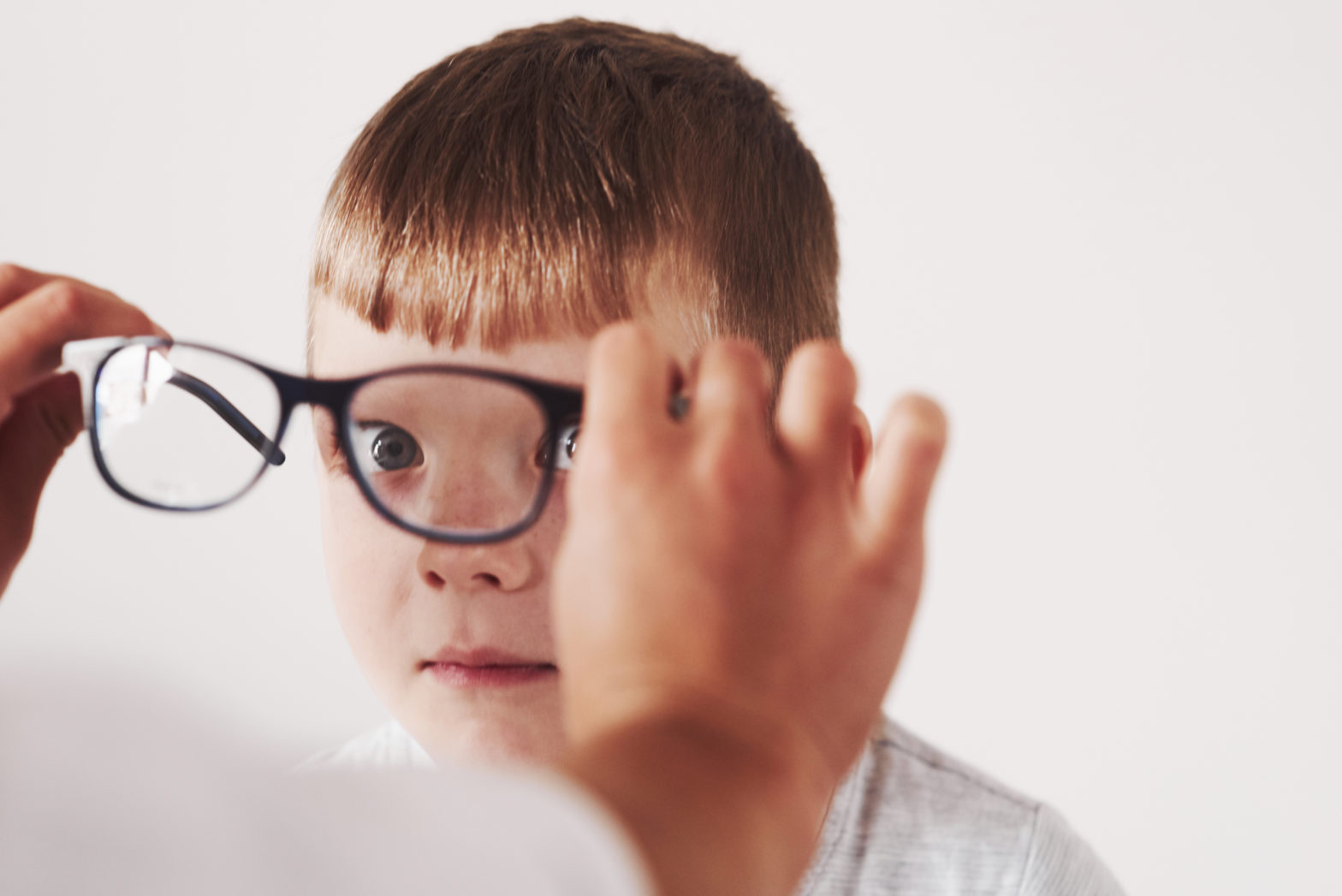
Eye Diseases In Children
How to Prepare Your Child for an Eye Test