



Epi LASIK is an advanced laser vision correction technique designed for people who may not be ideal candidates for conventional LASIK. It is particularly suited for individuals with thin corneas, dry eyes, or active lifestyles where flap-related complications must be avoided.
Unlike traditional LASIK, epi LASIK eye surgery reshapes vision without cutting deeply into the cornea, making it a safer alternative for selected patients.
Understanding Epi LASIK: Definition and Key Differences
What is Epi LASIK?
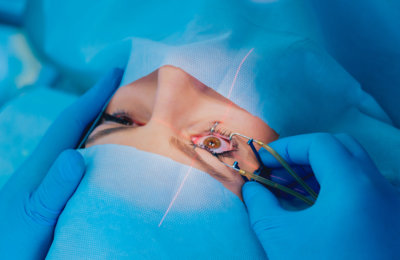
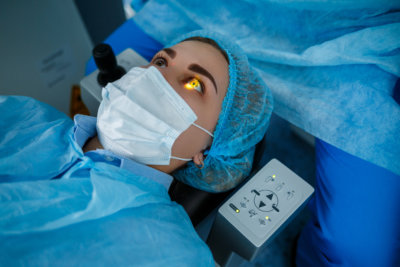
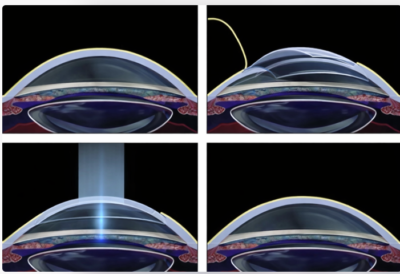
Epi LASIK is a surface ablation procedure in which only the outermost epithelial layer of the cornea is gently separated using a mechanical device called an epi-keratome. This approach avoids alcohol and does not involve cutting a deep corneal flap.
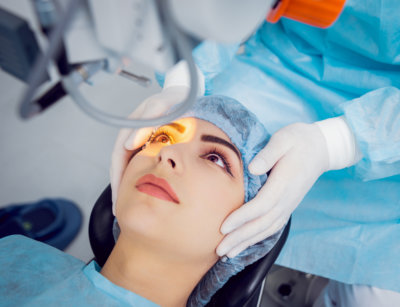
Once the epithelium is lifted, an excimer laser reshapes the underlying corneal surface to correct refractive errors. The epithelial layer is then repositioned, and a protective soft contact lens is placed to aid healing. This makes the epi LASIK procedure less invasive to the corneal structure while still delivering accurate visual correction.
How Epi LASIK Differs from LASIK, LASEK and PRK
Understanding the difference between LASIK and epi LASIK helps patients make informed decisions. LASIK creates a thicker flap within the cornea, which allows faster visual recovery but carries risks such as flap displacement and post-operative dry eye.
LASEK uses alcohol to loosen the epithelial layer, which can irritate surface cells. PRK removes the epithelium entirely, leading to greater discomfort and a longer healing period.
In contrast, epi LASIK avoids alcohol and preserves the epithelial layer, resulting in smoother healing and reduced surface trauma compared to PRK and LASEK.
Who Should Consider Epi LASIK? Indications and Candidacy
Ideal Candidates: Thin Corneas and Active Lifestyles
Epi LASIK is often recommended for patients with thin or irregular corneas who may not qualify for standard LASIK. It is also suitable for individuals with dry eye tendencies or those involved in contact sports, defence services, or physically demanding professions. Since there is no thick corneal flap, the risk of flap displacement is eliminated, making it a safer choice for active lifestyles.
Conditions and Contraindications
Epi LASIK may not be suitable for individuals with uncontrolled autoimmune disorders, corneal infections, severe dry eye disease, unstable refractive power, pregnancy, or certain corneal dystrophies. A detailed eye examination, including corneal mapping, is essential to confirm suitability.
Epi LASIK Procedure: Step-by-Step Explanation
Preoperative Evaluation and Anaesthesia.
Before surgery, patients undergo comprehensive testing, including corneal thickness measurement and topography. Anaesthetic eye drops numb the eye to ensure comfort during the procedure.
Creating the Epithelial Flap without Alcohol
A specialised epi-keratome gently separates the epithelial layer without the use of alcohol. This helps maintain epithelial cell health and improves healing quality.
Laser Reshaping of the Cornea
Once the epithelium is lifted, a computer-guided excimer laser reshapes the corneal surface with high precision to correct nearsightedness, farsightedness, or astigmatism.
Repositioning the Epithelial Flap and Bandage Lens
The epithelial layer is repositioned, and a soft bandage contact lens is placed to protect the eye. Antibiotic and anti-inflammatory drops are prescribed to support healing.
Benefits and Advantages of Epi LASIK
Safe for Thin and Irregular Corneas
By preserving more corneal tissue, epi LASIK reduces the risk of corneal weakening and post-operative ectasia, making it safer for thin corneas.
Reduced Risk of Flap Complications and Dry Eye
Without a deep flap, there is no risk of flap displacement. Fewer corneal nerves are disrupted, resulting in a lower incidence of dry eye symptoms.
Customised Vision Correction and Long-Term Stability
Modern epi LASIK uses wavefront or topography-guided technology for personalised correction. Results are stable and permanent once healing is complete.
Recovery and Healing After Epi LASIK
Immediate Postoperative Care and Discomfort
Patients may experience burning, tearing, or a gritty sensation for 24 to 36 hours. This discomfort is usually milder than PRK.
Visual Recovery Timeline
Functional vision often returns within a few days, though epi LASIK recovery time varies. Full visual stability may take several weeks to a few months. Most patients return to work within three to four days.
Potential Side Effects and Complications
Temporary light sensitivity, glare, halos, or mild haze may occur. Serious complications are uncommon when an experienced surgeon performs the procedure.
Epi LASIK vs Other Vision Correction Procedures
Epi LASIK vs LASIK
LASIK offers faster recovery but involves deeper corneal cutting. Epi LASIK has a slower recovery but avoids flap-related risks and preserves corneal strength.
Epi LASIK vs LASEK
Unlike LASEK, epi LASIK avoids alcohol, reducing epithelial toxicity and promoting smoother healing.
Epi LASIK vs PRK
PRK removes the epithelium entirely, leading to greater discomfort. Epi LASIK retains the epithelial layer, reducing pain and speeding surface healing.
Cost and Considerations for Epi LASIK
Epi LASIK cost is generally comparable to or slightly higher than LASIK due to specialised equipment and follow-up care. Epi LASIK surgery cost in India varies by clinic, surgeon expertise, and technology used. Vision correction procedures are usually elective and not covered by insurance.
Conclusion: Is Epi LASIK Right for You?
Epi LASIK offers a safe and effective solution for patients with thin corneas, dry eyes, or concerns about flap complications. While epi LASIK recovery is slower than LASIK, the procedure preserves corneal integrity and reduces long-term risks. A thorough consultation with an experienced ophthalmologist is essential to determine candidacy and expected outcomes.