



Low vision aids are specialised tools designed to help people with significant, permanent vision loss remain independent and active. They work by enlarging images, improving contrast, or converting visual information into speech.
While low vision cannot be corrected with standard glasses, contact lenses, or surgery, the right aids can make everyday tasks such as reading, cooking, and navigating much easier, improving quality of life.
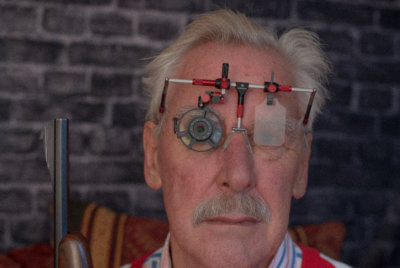
Understanding Low Vision and Its Impact
What Is Low Vision?
According to the World Health Organisation, low vision is defined as best-corrected visual acuity between 20/70 and 20/400, or a visual field of less than 20 degrees in the better eye.
In simple terms, low vision is a level of sight loss that interferes with daily activities and cannot be fully corrected by routine eye care. Common low vision causes include age-related macular degeneration, glaucoma, diabetic retinopathy, inherited retinal disorders, and advanced cataracts after surgery.
Daily Challenges Faced by People With Low Vision
People with low vision often struggle with reading print, recognising faces, identifying colours, seeing screens clearly, and moving safely in unfamiliar environments. Tasks such as cooking, using public transport, or managing medication can become difficult. Without appropriate support, unaddressed low vision can reduce independence, confidence, and social participation.
Types of Low Vision Aids
Low vision aids fall into optical, non-optical, electronic, and wearable categories. A low-vision specialist can help identify the combination that best suits individual needs.
Optical Low Vision Aids
Optical devices use lenses to enlarge images and improve clarity.
- Handheld Magnifiers: Portable and ideal for short tasks such as reading labels or menus. Many modern versions include built-in LED lights for better visibility.
- Stand and Brightfield Magnifiers: Designed to rest directly on the page, these provide steady magnification and a fixed focal distance, making them perfect for longer reading sessions.
- Hands-Free and Round-Neck Magnifiers: These allow for bilateral hand use during activities such as knitting or cooking, though they generally offer lower magnification levels than handheld versions.
- Monoculars and Binoculars: Small, specialised telescopes used for distance tasks, such as identifying street signs, viewing bus numbers, or watching performances.
- Spectacle-Mounted Magnifiers and Telescopic Glasses: Built directly into a frame, these offer hands-free viewing for near, intermediate, or distance tasks.
Non-Optical Aids and Daily-Living Modifications
Non-optical aids enhance visibility without lenses:
- Typoscopes: These reduce glare and help the eye isolate specific lines of text.
- Enhanced Lighting and Contrast: The use of specialised task lamps, bold-coloured household items, and high-contrast tools, such as a black chopping board for light-coloured vegetables.
- Large-Print Materials: Books, calendars, playing cards, and bold-lined notebooks that reduce eye strain.
- Organisational and Accessible Tools: Items such as reading stands, signature guides, talking clocks, and talking scales that use tactile or auditory feedback.
Electronic Low Vision Aids: Video Magnifiers & Digital Tools
Electronic solutions use cameras and screens to enhance images.
- Video Magnifiers: These devices project enlarged text onto a monitor with adjustable contrast, brightness, and colour filtration.
- Smartphones and Tablets: Devices that include built-in accessibility features like magnification, text enlargement, voice control, and reading apps.
- Computer Accessibility Software: Systems that support screen magnifiers, high-contrast display modes, and text-to-speech software.
- OCR (Optical Character Recognition) Devices: Tools that scan printed text and instantly convert it into clear, spoken audio.
- Portable Digital Magnifiers: Devices that combine the portability of a traditional magnifier with adjustable digital zoom and contrast.
Wearable Low Vision Technology and Smart Glasses
Wearable devices represent a growing area in low vision rehabilitation:
- Smart Glasses: Eyewear that can read text aloud in real-time, identify objects, or digitally enhance visual contrast for the wearer.
- Head-Mounted Cameras and Sensors: Wearables that provide audio or tactile alerts to help users avoid obstacles.
- GPS-Enabled Navigation Glasses: Wearables that provide directions and street name announcements to assist with safe, independent travel.
Benefits of Low Vision Aids
The benefits of low vision aids extend beyond vision itself:
- Greater independence in daily activities such as reading, cooking, and navigation.
- Improved safety through better hazard and step detection.
- Increased reading speed and comfort using electronic magnification.
- Continued participation in work, hobbies, and social life.
How to Choose and Get Low Vision Aids
Get a Low Vision Assessment and Consult Specialists
A low vision assessment is essential. Specialists evaluate visual abilities, daily needs, and recommend suitable aids. Training is often provided to maximise benefit and comfort.
Factors to Consider When Choosing Aids
Important considerations include vision level, tasks to be performed, print size, duration of use, portability, lighting needs, and budget. Trial options or loan programmes may help with decision-making.
Training and Adaptation Tips
Start with lower magnification and practise in short sessions. Keep the lens close to the eye and bring the object into focus. Take regular breaks to reduce fatigue. Support from occupational therapists can improve long-term success.
Conclusion: Empowering Independence With Low Vision Aids
From simple magnifiers to advanced electronic and wearable technologies, low vision aids can transform daily living by maximising remaining sight. With proper assessment, training, and follow-up, people with low vision can maintain independence, safety, and confidence. Regular eye examinations and timely referral to low vision services remain essential.