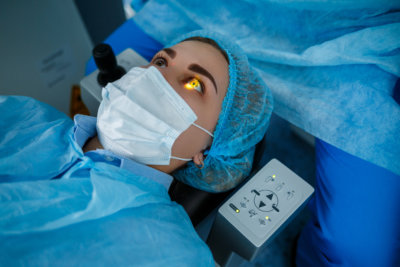




Modern refractive surgeries like Smooth Incision Lenticule Keratomileusis (SILK) have revolutionized vision correction. SILK is a flap-free procedure that uses a second-generation femtosecond laser to remove a tiny lenticule through a small, <2 mm keyhole incision. This approach results in less disruption to corneal nerves and biomechanics, allowing for a quicker recovery with fewer dry-eye issues compared to flap-based procedures like LASIK. Here, we’ll walk you through what to expect during your recovery after SILK eye surgery, comparing it to other options like LASIK and SMILE, and offering practical tips to help you heal smoothly.
Why Recovery After SILK Eye Surgery is Faster and Smoother
Key Advantages of SILK Over LASIK and Other Procedures
SILK offers several benefits over LASIK, primarily due to its flap-free design and minimal corneal disruption. Unlike LASIK, which temporarily severs corneal nerves to create a flap, SILK’s micro-incision preserves nerve function and supports faster recovery. As a result, many patients experience quicker normalization of tear production, leading to fewer dry-eye symptoms. Additionally, the lenticule removal technique used in SILK minimizes microscopic aberrations, reducing inflammation and speeding up the healing process.
Fast Visual Recovery
Patients undergoing SILK often notice functional vision within hours of the procedure. Mild discomfort and blurred vision may last for 24-48 hours, but many people return to their daily activities within a day or two. With a structured recovery plan, vision stabilizes over the first week, and most patients achieve full clarity by one month.
Day-by-Day Recovery Timeline After SILK Eye Surgery
Day 0 – The First Few Hours After Surgery
Immediately after surgery, you may experience mild watering, light sensitivity, and a foreign-body sensation in your eyes. Vision might appear hazy but should remain functional. It’s crucial to rest and avoid driving or any activities that strain your eyes. You may shower from the neck down but avoid getting water or soap in your eyes during the first few days.
Day 1 – Noticeable Improvement in Vision
By the following day, many patients notice a significant improvement in their vision. Your doctor will perform a follow-up check to examine the healing process. Continue using prescribed eye drops, and avoid any strenuous visual activities. It’s also a good time to follow the 20-20-20 rule, which helps prevent eye strain from screen use.
Days 2–3 – Reduced Discomfort and Stabilizing Vision
Most discomfort decreases within the first two days, and you should notice an improvement in your visual stability. Mild dryness may still occur, but it’s temporary and can be relieved with lubricating drops. Light activities, such as walking or gentle yoga, can typically resume by day three.
Days 4–7 – Returning to Regular Activities
By the end of the first week, your vision should continue to stabilize, though you may still experience occasional fluctuations. You can return to your regular daily activities like office work and reading. However, continue to wear protective eyewear when outdoors and avoid swimming or heavy lifting.
Common Symptoms During Recovery and What to Expect
Temporary Dry Eyes and Light Sensitivity
Dry eyes are common in the initial days after SILK surgery, though it’s generally less severe than with LASIK. Artificial tears can be helpful, and most patients see dryness resolve within a week or two. Light sensitivity, glare, and halos around lights may occur, but these symptoms typically subside as the cornea heals.
Occasional Fluctuating Vision
It’s normal for your vision to fluctuate during the early days of recovery. The corneal tissues are still healing, and it may take a few days for everything to stabilize. Don’t worry—this is a standard part of the healing process.
How to Speed Up Recovery After SILK Eye Surgery
Follow Your Surgeon’s Aftercare Instructions
Using prescribed eye drops as directed is essential to prevent infection and promote healing. Be sure to attend all follow-up appointments, including those scheduled for one week, one month, and beyond.
Take Care of Your Eyes
Avoid rubbing your eyes, as this can disturb the healing process. Use the protective eyewear your surgeon provides, especially during the first few nights. If you plan to go outside, sunglasses will help shield your eyes from dust, UV rays, and bright light.
Limit Physical Activity and Screen Time
Give your eyes a break by following the 20-20-20 rule. Take regular screen breaks and avoid heavy exercises or swimming until your surgeon gives you the go-ahead. Staying hydrated and eating a nutritious diet will also support your recovery.
How SILK Eye Surgery Recovery Compares to LASIK and SMILE
Incision Type and Recovery Time
SILK differs from LASIK and SMILE primarily in its incision method. SILK uses a small keyhole incision, while LASIK creates a flap, temporarily disturbing the corneal nerves. This makes SILK recovery faster and less prone to dry eye symptoms compared to LASIK.
Visual Stability and Side Effects
Both SILK and SMILE provide relatively quick recovery times. However, SILK’s laser technology offers refined precision, which may lead to a faster return to clear vision compared to SMILE. Side effects like dry eyes, light sensitivity, and glare tend to be less severe with SILK.
Conclusion
The recovery after SILK eye surgery is generally quick and comfortable. Most patients enjoy functional vision within hours and can return to daily activities within a few days. By following aftercare instructions and attending follow-up appointments, you can ensure a smooth recovery and long-term visual clarity.