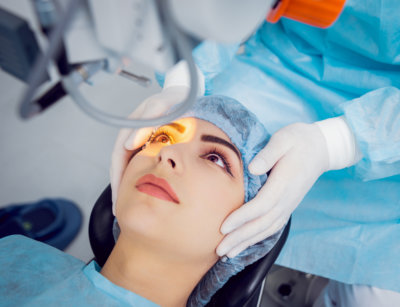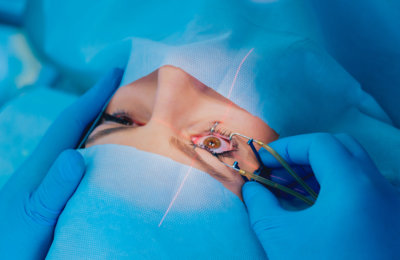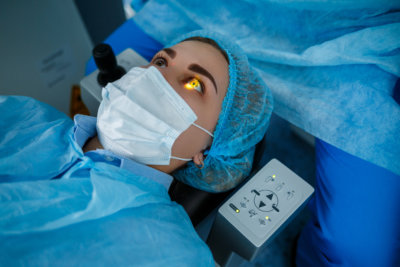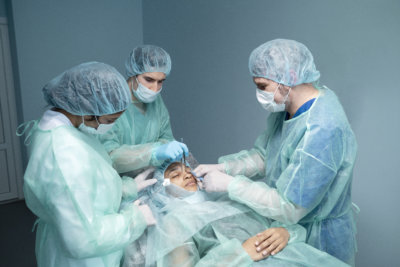




SILK eye surgery, short for Smooth Incision Lenticule Keratomileusis, is a modern advancement in refractive eye surgery. Many patients often wonder, “How safe is SILK eye surgery?” In this article, we’ll explore the technology behind SILK, how it differs from traditional laser methods, and the clinical results so you can make an informed decision about your eye health.
What is SILK Eye Surgery and How Does It Work?
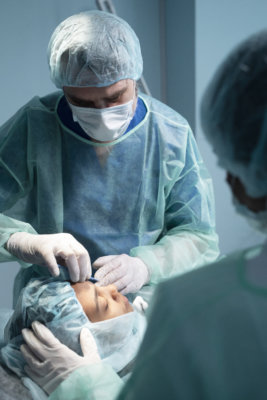
SILK is a revolutionary technique that uses a femtosecond laser to create a tiny lenticule (a disc-shaped tissue) within the cornea. Unlike traditional LASIK, which creates a flap, SILK involves making a small incision (about 2–4 mm) to remove this lenticule, reshaping the cornea to correct myopia or astigmatism. This procedure is often called flapless or keyhole surgery because it doesn’t require a large corneal flap.
During the surgery, the femtosecond laser delivers millions of ultra-fast pulses to carve the lenticule with incredible precision. The same laser creates a tiny tunnel through which the lenticule is extracted, leaving the rest of the corneal tissue largely unaffected. This technique helps preserve corneal strength and ensures a smoother recovery.
Is SILK Eye Surgery Safe for Vision Correction?
Patient safety is a top priority, and clinical studies show that SILK eye surgery is both safe and effective. The 2023 clinical trial found that no patients lost vision, and there were no major adverse events. In fact, 86% of patients achieved 20/20 vision just one week after the procedure.
One of the major benefits of SILK is that it’s flapless, eliminating the risks associated with flap-related complications seen in LASIK, such as dislocation or epithelial ingrowth. The technology has received CE certification, and early adoption in places like India and Europe has shown excellent safety outcomes, though long-term data is still being collected.
The Technology Behind SILK Eye Surgery That Enhances Safety
Bladeless and Flapless: Ensuring Better Corneal Stability
Unlike LASIK, which creates a large flap in the cornea, SILK uses a micro-incision to remove the lenticule, leaving the corneal structure mostly intact. This method helps preserve the strength of the cornea, maintaining up to 30% more biomechanical strength. As a result, there’s no risk of flap dislocation or complications like wrinkles or infections.
Because SILK doesn’t disrupt as many corneal nerves, patients often experience less dry eye and recover more quickly compared to LASIK. The procedure is also ideal for people with thinner corneas or those with active lifestyles, such as athletes or military personnel.
Precision Laser Control for Accurate and Safe Vision Correction
SILK utilizes a high-precision femtosecond laser that delivers up to 10 million laser spots per second. This real-time monitoring adjusts the laser energy as needed to ensure a consistent cutting pattern, even if the eye moves slightly. With its ultra-low energy profile (around 40 nanojoules), the laser minimizes thermal damage and inflammation, leading to a smoother recovery and more precise vision correction.
The biconvex lenticule design further reduces stress on corneal nerves, contributing to a faster healing process and better visual outcomes. In fact, more than 85% of eyes in the 2023 trial required no additional manual adjustments, making the procedure even more efficient.
SILK Eye Surgery vs LASIK vs SMILE: Which is the Safest?
If you’re considering refractive surgery, you might wonder how SILK compares to LASIK or SMILE. While all three procedures correct myopia and astigmatism, they have distinct differences in terms of incision size, tissue removal, and potential side effects.
|
Feature |
SILK |
LASIK |
SMILE |
|
Flap required |
No |
Yes |
No |
|
Incision size |
2–4 mm micro‑incision |
20 mm or larger flap |
3–4 mm incision |
|
Healing time |
Typically 2–3 days |
2–7 days |
2–5 days |
|
Dry eye risk |
Low |
Moderate |
Low |
|
Risk of ectasia |
Lower than LASIK |
Elevated in high-risk groups |
Low |
|
Suitable for thin corneas |
Yes |
Limited |
Yes |
Unlike excimer laser‑based procedures, SILK removes tissue by lenticule extraction rather than vaporising it. This method avoids thermal effects and preserves more stromal tissue, contributing to greater biomechanical stability and predictable refractive outcomes. SMILE shares some of these benefits but uses a plano‑convex lenticule, whereas SILK’s biconvex design may reduce higher‑order aberrations.
Who is the Ideal Candidate for SILK Eye Surgery?
Not everyone is a candidate for SILK eye surgery. The ideal candidates typically share the following traits:
- Age and Prescription Stability: Candidates should be at least 18 years old with a stable prescription for at least one year.
- Healthy Corneas: Adequate corneal thickness and no diseases like keratoconus or glaucoma.
- Refractive Error: SILK is best for myopia up to –10 D and astigmatism up to –6 D.
- Active Lifestyle: Individuals with active jobs or sports participation may prefer SILK due to its flapless design.
- Pregnancy and Systemic Health: Surgery is deferred during pregnancy or lactation, and any uncontrolled systemic or ocular conditions should be treated first.
A comprehensive pre-surgery assessment will determine if you’re a good fit for the procedure.
What are Limitations of SILK Eye Surgery?
While SILK is generally safe and effective, there are some limitations to consider:
- Mild Dry Eye and Sensitivity: Some patients may experience dryness or light sensitivity immediately after surgery, but these symptoms usually resolve quickly with prescribed drops.
- Undercorrection or Overcorrection: A small number of patients may need enhancement if the desired vision isn’t achieved.
- Risk of Infection: As with any surgery, there’s a very low risk of infection, but proper aftercare and antibiotics minimize this risk.
- Limited Hyperopia Treatment: SILK currently focuses on correcting myopia and astigmatism. Hyperopia correction is still under investigation.
It’s important to have a detailed conversation with your ophthalmologist to discuss potential risks and realistic expectations.
Recovery and Post-Surgery Care After SILK Eye Surgery
SILK eye surgery has a fast recovery time. Most patients notice improvements in vision within 24–48 hours and return to regular activities within a few days. Because there’s no flap to heal, discomfort is typically minimal.
Post-Surgery Care:
- Day 1: Avoid rubbing your eyes and use antibiotic and steroid drops.
- Days 2–3: Vision stabilizes quickly; avoid strenuous activities.
- First week: Wear sunglasses outdoors and avoid eye makeup.
- First month: Continue using prescribed drops and attend follow-up visits.
Most patients achieve stable vision within a week, though full stabilization may take up to a month.
How Doctors Ensure Safety During SILK Eye Surgery
Before and during SILK surgery, doctors use several safety measures:
- Comprehensive Eye Exam: To assess refractive error, corneal thickness, and overall eye health.
- Tear Film Analysis: To ensure healthy tear production and reduce dry eye risk.
- Real-Time Laser Monitoring: The ELITA system dynamically adjusts laser energy for sub-micron precision.
- Sterilization Protocols: Surgeons use strict hygiene measures and topical anaesthesia for patient comfort.
Conclusion
SILK eye surgery offers a safe, effective, and advanced option for vision correction. Its flapless design, precision laser control, and quick recovery time make it a compelling alternative to LASIK and SMILE. However, patient selection, surgeon experience, and proper aftercare are key to success. Be sure to discuss your options with a qualified ophthalmologist before making a decision.