


Introduction: Understanding Asymmetrical Eyes
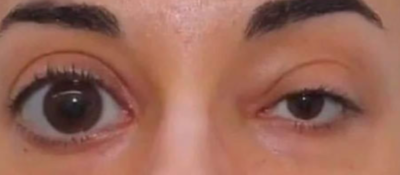
Have you ever noticed that sometimes one eye appears slightly different in size, shape, or position from the other? This is known as asymmetrical eyes, and in most cases, it is completely normal.
Mild eye asymmetry is a natural part of human facial structure, and many individuals live confidently with these variations. Some people describe it as one eye bigger than the other or uneven eyes, leading them to wonder whether this falls within normal limits.
In some cases, however, asymmetrical eyes may be linked to underlying medical conditions, injury, or age-related changes. When eye asymmetry appears suddenly or worsens, an eye doctor or oculoplastic specialist can help identify the cause and recommend appropriate treatment.
What Causes Asymmetrical Eyes?
Natural Facial Asymmetry and Ageing
Slight facial asymmetry is extremely common. Genetics, bone structure, and natural development all contribute to subtle differences.
As people age, factors such as reduced skin elasticity, drooping eyelids (ptosis), fat loss, and muscle weakening can make one eye appear smaller or more hooded. Lifestyle factors that affect eye symmetry, such as smoking, poor sleep, and long-term sun exposure, can accelerate these changes and alter eyelid position.
Neurological and Muscular Conditions
Conditions affecting the facial nerves can cause visible differences between the eyes:
- Bell’s palsy: This temporary facial nerve paralysis makes one side of the face weaker. The affected eye may droop or fail to close properly. Most people recover fully within months.
- Stroke: Sudden facial drooping, slurred speech, severe headache, or weakness should be treated as a medical emergency. Stroke-related asymmetry requires immediate intervention.
Eyelid and Facial Disorders
A range of structural conditions can cause or worsen eye asymmetry:
- Blepharochalasis: Recurrent swelling of the eyelids due to allergies, infections, or injuries, leading to stretched skin and uneven eyelids.
- Ptosis: Drooping of one eyelid caused by muscle weakness, nerve problems, or age-related stretching of the levator muscle. This is a common cause of asymmetry in the eyes.
- Heterochromia: Different-coloured eyes may draw attention to asymmetry even if structural differences are minimal.
- Enophthalmos: A sunken appearance caused by trauma, sinus disease, or tissue loss within the orbit.
- Exophthalmos: Forward bulging of one eye, often linked to thyroid eye disease or Graves’ disease.
Injury, Genetic and Medical Factors
Trauma to the eye or face can immediately alter eyelid position or orbital structure. Genetic conditions, congenital ptosis, sinus problems, and orbital growths can also cause noticeable asymmetry.
Anyone experiencing pulsating sensations, severe swelling, or sudden changes following injury should seek urgent medical care.
Lifestyle Factors & Prevention for Asymmetrical Eyes
Healthy habits can reduce the risk of developing asymmetry or prevent existing differences from becoming more noticeable:
- Avoid smoking, which accelerates eyelid drooping.
- Eat a balanced diet rich in antioxidants and healthy fats.
- Stay well hydrated to maintain skin elasticity.
- Use UV-protective sunglasses to prevent sun-related tissue changes.
- Manage chronic medical conditions such as thyroid disorders.
When to Seek Medical Help for Asymmetrical Eyes
Seek immediate evaluation if you experience:
- Sudden or worsening drooping
- Severe pain or swelling
- Vision changes or double vision
- Eye trauma
- Pulsing or pressure sensations behind the eye
These symptoms may indicate a serious problem such as nerve damage, thyroid eye disease, stroke, or orbital inflammation. An ophthalmologist can perform a detailed examination and imaging tests to determine the cause.
Treatment Options for Asymmetrical Eyes
Non‑Surgical & At Home Treatments
For cosmetic concerns, non-invasive options may improve symmetry:
- Makeup techniques such as highlighting and contouring
- Eyelid tape to temporarily lift a drooping eyelid
- Hairstyle adjustments to balance facial proportions
There is no scientific evidence that eye exercises can correct structural asymmetry.
Cosmetic Procedures & Injectables (Botox and Fillers)
Botox injections are an effective non-surgical option for correcting minor eye asymmetry. By relaxing overactive muscles around the eyes, Botox can subtly raise one brow or reduce squinting. It is crucial to note that Botox is not effective for correcting true ptosis.
For asymmetry related to volume loss, dermal fillers are utilised. These injectables add volume beneath the skin, helping to correct hollowed areas or uneven contours around the orbital region that make the eyes look asymmetrical.
Since both Botox and fillers are non-permanent solutions, their effects are temporary, and treatments must be repeated periodically to maintain the desired level of symmetry.
Eyelid Surgery – Blepharoplasty
Blepharoplasty is a surgical procedure that removes excess skin or fat from the eyelids. It can correct droopy or heavy eyelids, puffiness, and asymmetry caused by structural eyelid changes, and significantly improve asymmetry.
Potential risks include bruising, swelling, numbness, dry eyes, bleeding, and infection. When performed for ptosis, a levator repair or tightening technique may be used.
Brow Lift Surgery
A brow lift elevates the eyebrows to improve symmetry. This can help when uneven brows contribute to asymmetrical eyelids.
Techniques include coronal, hairline, and endoscopic lifts. Risks include bleeding, infection, and reactions to anaesthesia.
Orbital Surgery for Structural Problems
When structural issues inside the eye socket cause asymmetry, orbital surgery may be recommended. It can address trauma, tumours, severe proptosis, or sunken eyes. Potential complications include nerve damage, double vision, and, rarely, vision loss.
Combined & Customized Treatments
Sometimes a combination of procedures achieves the best result, such as Botox with blepharoplasty or fillers with brow lift. An experienced oculoplastic surgeon will recommend a personalised approach based on the underlying cause.
Self‑Care & Recovery Tips Post‑Treatment
- Follow all postoperative instructions carefully
- Avoid strenuous activity until your doctor approves
- Keep the area clean and avoid rubbing your eyes
- Use prescribed medications as directed
- Attend follow-up appointments to monitor healing
Conclusion – Embrace Your Unique Look & Know When to Act
Minor eye asymmetry is common and often part of natural beauty. Many people choose not to treat it at all.
However, if asymmetry develops suddenly, affects vision, or impacts confidence, a medical evaluation can identify the cause and guide appropriate treatment options for asymmetrical eyes. Knowing how to fix asymmetrical eyes depends on understanding the underlying cause and exploring both non-surgical and surgical solutions with a qualified professional.