


A swollen eyelid occurs when fluid buildup, inflammation, or irritation affects the delicate tissues around the eye. This puffiness may involve the upper or lower lid and can appear suddenly or develop gradually.
While a cool compress can ease mild swelling, effective swollen eyelid treatment depends on identifying the underlying cause. Most mild cases improve within a day, but persistent or painful swelling may signal an infection or another eye condition requiring medical care.

Understanding Swollen Eyelids
What Is a Swollen Eyelid?
A swollen eyelid is the result of inflammation or fluid accumulation within the eyelid tissues, leading to puffiness, redness, or tenderness. Painless swelling often reflects fluid retention or allergies, while pain, warmth, or tenderness usually suggests infection. Whether one or both eyes are affected, and whether discharge, itching, or a lump is present, this helps narrow down what causes swollen eyelids.
Why Identifying the Cause Matters
Swollen eyelids can result from many conditions, including allergies, infections, or injury. Each cause needs a specific approach for effective swollen eye treatment.
For example, allergy-related swelling responds to antihistamines, while infections require targeted medication. Painful swelling, fever, or vision changes warrant prompt evaluation to avoid complications.
Common Causes of Swollen Eyelids
Swollen eyelids commonly result from allergies, infections, blocked oil glands, injuries, or inflammation. The swelling develops due to fluid buildup or tissue irritation, with symptoms and duration varying depending on the cause. Identifying the underlying condition helps guide appropriate treatment and speeds recovery.
Pink Eye (Conjunctivitis)
Conjunctivitis is inflammation of the eye surface caused by bacteria, viruses, or allergens. It often begins in one eye and spreads to the other, causing redness, watering, and a sticky discharge.
Gentle cleaning with warm water helps remove crusts and keep the eye clean. Viral conjunctivitis usually resolves within 2 to 3 weeks, whereas bacterial conjunctivitis may require antibiotic drops. During recovery, avoid using eye makeup and contact lenses.
Chalazion and Stye (Hordeolum)
A chalazion develops when an oil gland becomes blocked, forming a painless lump. A stye is an acute infection of an eyelash follicle and is typically painful. Both cause localised redness and swelling.
Warm compresses applied several times daily are the mainstay of treatment for swollen eyelids in these conditions. Persistent lumps may need prescription medication or minor in-office drainage.
Eye Infection (Cellulitis)
An eye infection, often known as cellulitis, is a serious infection of the eyelid or orbital tissues. Symptoms include severe swelling, redness, pain, fever, and sometimes vision changes or difficulty moving the eye. This condition requires urgent medical care and systemic antibiotics, as delayed treatment can threaten vision and general health.
Allergies and Other Causes
Seasonal allergies, insect bites, fluid retention, trauma, lack of sleep, or sinus congestion can all cause eyelid swelling. Endocrine conditions such as Graves’ disease and, rarely, tumours, may also present with persistent swelling. Reviewing recent exposures to pollen and pets often helps identify triggers and determine the course of treatment.
Blepharitis and Eyelid Inflammation
Blepharitis is chronic inflammation along the eyelid margins. Lids may appear red, dark, swollen, greasy, or crusted, with symptoms including itching, burning, tearing, light sensitivity, and blurred vision. It is commonly linked to meibomian gland dysfunction, rosacea, dandruff, or Demodex mites.
Although not contagious, blepharitis often requires long-term lid hygiene and targeted therapy. There are 2 main types of blepharitis:
- Posterior Blepharitis: This is caused by meibomian gland dysfunction
- Anterior Blepharitis: This is caused by skin conditions such as rosacea or dandruff
People with diabetes are at high risk, along with people who frequently wear contact lenses, are exposed to irritants, dry environments and those who wear makeup for a long time.
Symptoms of a Swollen Eyelid
Common symptoms of swollen eyelids include puffiness, redness, tenderness, itching, burning, crusting, discharge, or a gritty sensation. Warning signs that need urgent assessment include worsening pain, fever, double vision, blurred vision, or difficulty moving the eye.
How to Treat a Swollen Eyelid
The swollen eyelid treatment depends on the cause. Mild, non-infectious swelling often improves with home care, while infections or persistent symptoms need medical treatment. Consult a healthcare provider if the cause is unclear or if the redness and swelling persist after 24-48 hours.
At-Home Remedies for Swollen Eyelids
- Saline rinses and gentle cleansing: Remove discharge with saline and clean lids using warm water and a mild cleanser.
- Cold and warm compresses: Cold compresses reduce inflammation, while warm compresses help styes, chalazia, and blepharitis by loosening blocked oil glands.
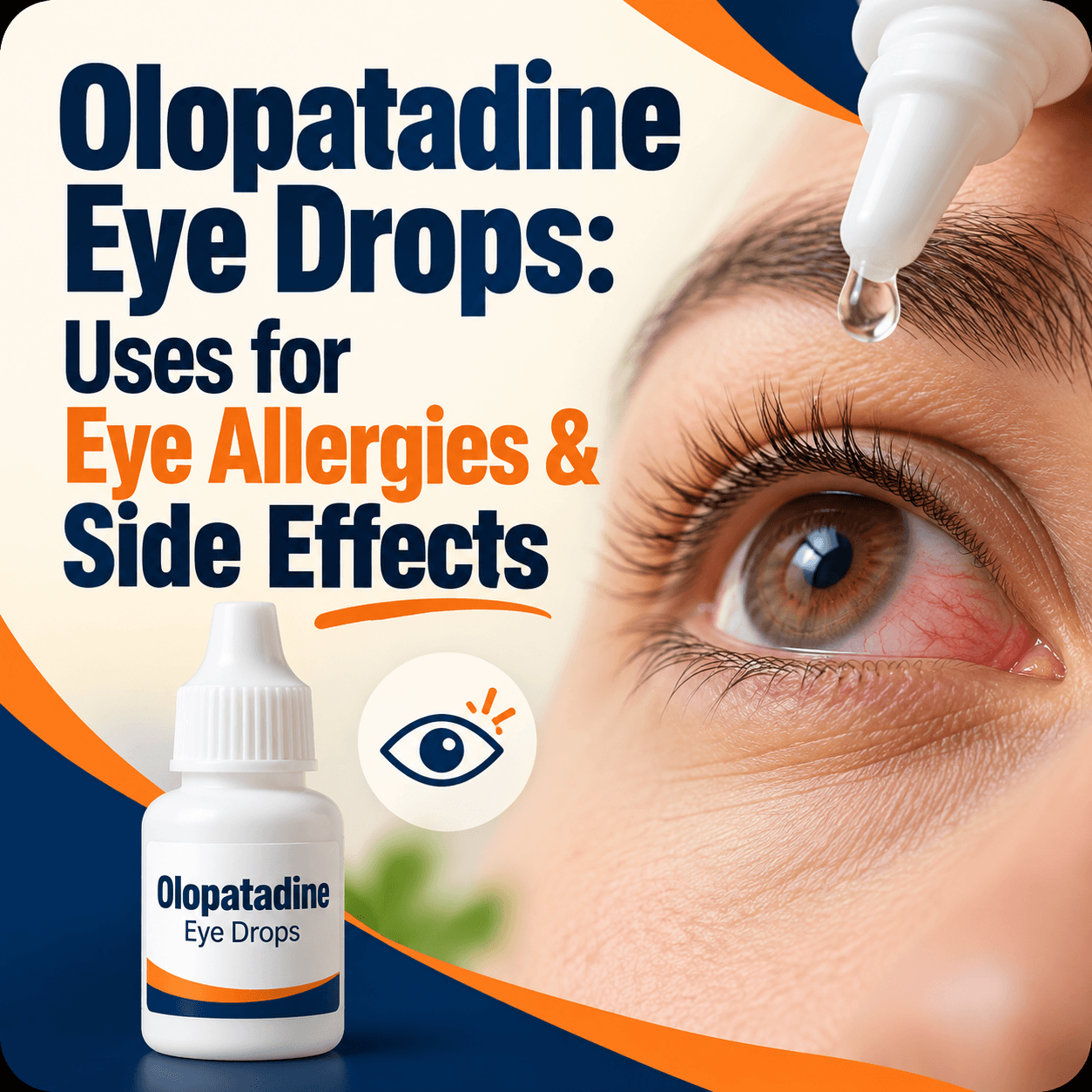
- Lubricating drops and antihistamines: Artificial tears flush irritants. Antihistamines ease allergy-related swelling and itching.
- Lifestyle adjustments: Avoid contact lenses and eye makeup until swelling resolves. Replace old cosmetics and brushes.
- Blepharitis care: Regular lid scrubs, warm compresses, and omega-3 intake support long-term control.
These steps often answer the question of what the fastest way to heal a swollen eyelid is when symptoms are mild.
Medical Treatments and Procedures
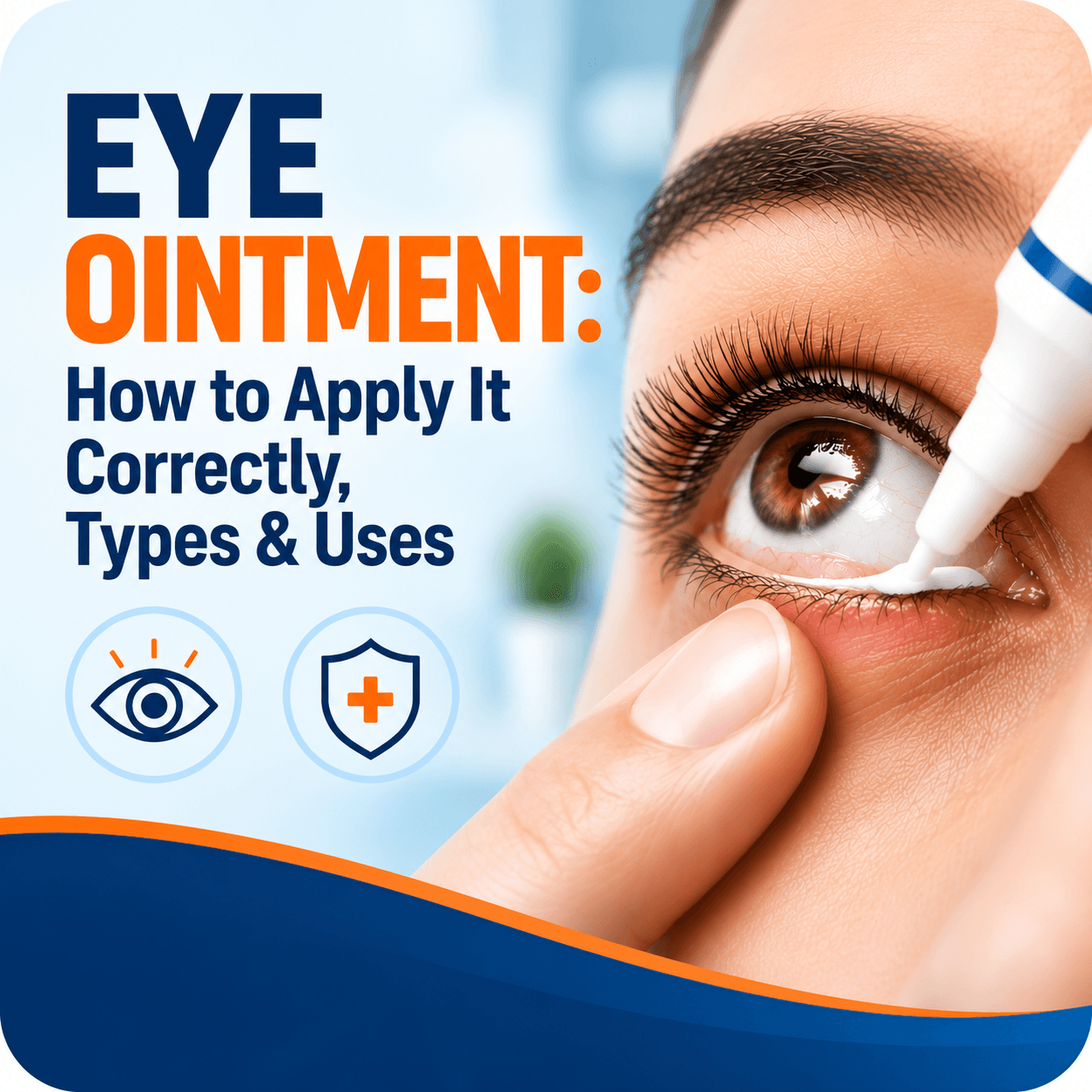
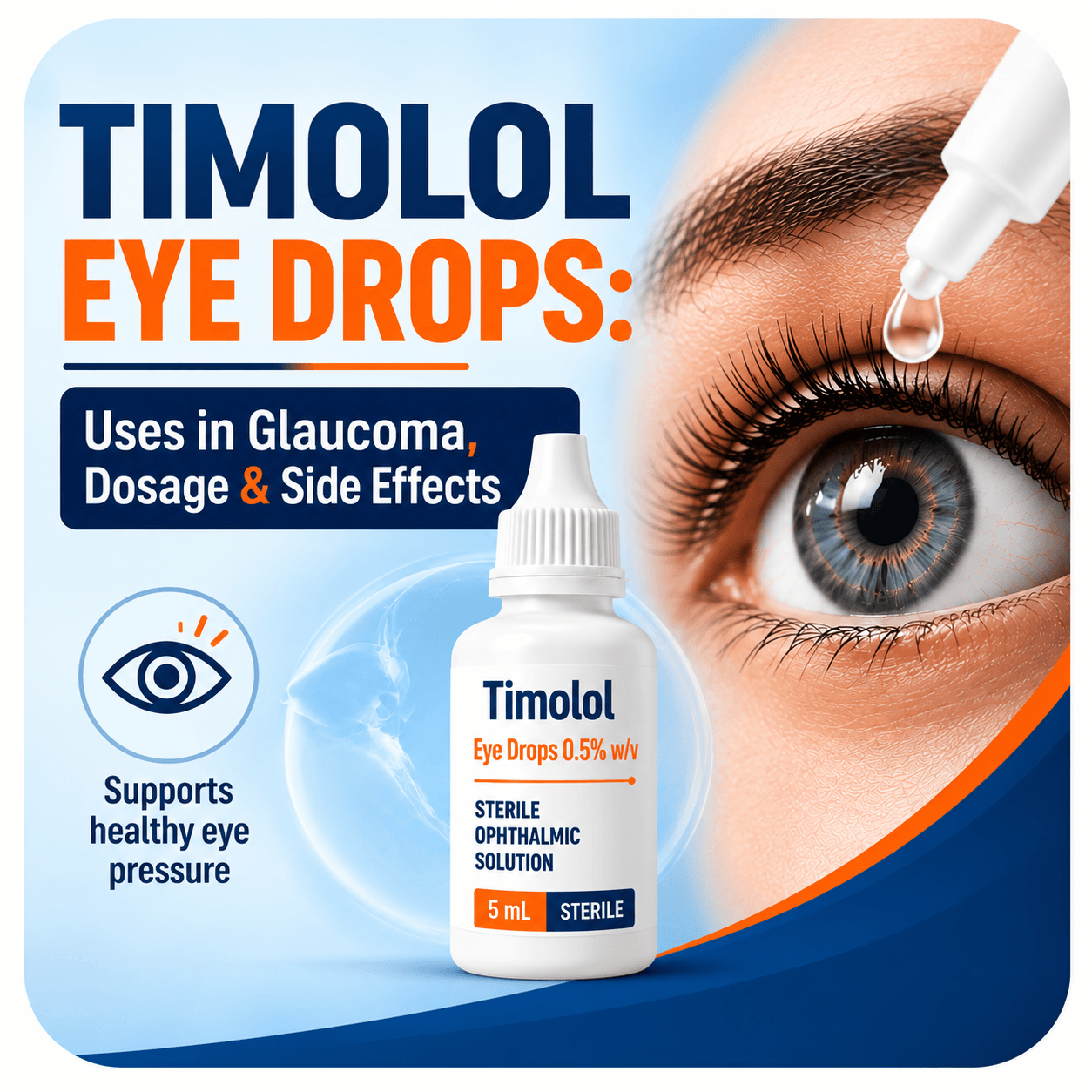
- Prescription eye drops or ointments: Antibiotic drops treat bacterial infections, while steroid or immunomodulatory drops reduce inflammation in conditions such as blepharitis when prescribed and monitored by an eye specialist.
- Drainage procedures: Large or persistent eyelid lumps may require a simple in-clinic drainage procedure, which relieves pressure, speeds healing, and reduces the risk of recurrence.
- Treatment of cellulitis: Eyelid cellulitis requires urgent systemic antibiotics and close supervision, as delayed treatment can lead to serious complications affecting vision and overall health.
- Long-term blepharitis management: Long-term control involves medicated drops or ointments, lid hygiene and treating associated skin or gland disorders to reduce flare-ups and chronic swelling.
- Advanced treatments and cosmetic recovery: Recurrent swelling may benefit from targeted medications, minor procedures or laser therapy to reduce inflammation, improve eyelid appearance and support lasting comfort.
When to Seek Medical Help
Seek professional care if swelling is severe, painful, associated with fever, vision changes, nausea, confusion, or inability to move the eye. Persistent swelling beyond 48 hours, recurrent eyelid lumps, or swelling in people with diabetes or immune compromise needs immediate medical evaluation.
Prevention: How to Avoid Swollen Eyelids
- Maintain daily eyelid hygiene and thoroughly remove makeup.
- Avoid rubbing or touching your eyes and wash your hands before touching them.
- Manage allergies and replace bedding regularly.
- Use protective eyewear in dusty or windy conditions.
- Follow a healthy lifestyle with adequate sleep, hydration, and a balanced diet rich in omega-3 fatty acids, green leafy vegetables and antioxidants.
Conclusion
Swollen eyelids are common and usually resolve with simple measures once the cause is addressed. Identifying swollen eyelid causes is essential, as treatment differs for allergies, infections, injuries, and inflammatory conditions.
Home care, such as compresses, cleansing, and lubricating drops, often provides relief. Persistent, painful, or worsening swelling needs medical assessment to prevent complications and protect vision.