



Understanding Chicken Pox and Its Effect on the Eyes
Chicken pox in the eyes occurs when the varicella-zoster virus, which causes chicken pox, affects structures around or inside the eye. After a person recovers from chicken pox, the virus remains dormant in nerve cells and may reactivate later in life as shingles.
Both primary chicken pox and shingles can involve the eyelids, conjunctiva, or cornea and, in some cases, cause significant inflammation. Although most cases are mild, delayed care can increase the risk of complications.
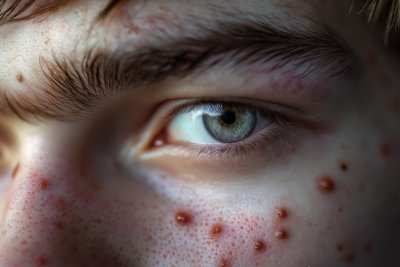
How Chicken Pox Affects the Eyes
Mechanisms of Eye Involvement
To answer how chicken pox affects the eyes, the virus travels along sensory nerves that supply the eyes. It triggers inflammation of tissues such as the conjunctiva, cornea and uveal tract.
Studies indicate that 12%-25% of children with varicella develop conjunctivitis or mild anterior uveitis. The involvement may appear early or develop several days after the skin rash.
Early Signs and Symptoms to Watch For
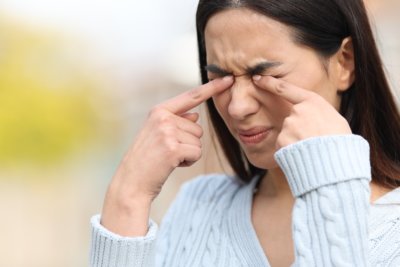
The early signs of chicken pox in the eyes include redness, tearing, mild pain, light sensitivity, a gritty sensation and blurred vision. Vesicles on the eyelids or chicken pox in the corner of the eye may also occur.
Symptoms can start as irritability during blinking or a feeling of pressure behind the eye. Photophobia or worsening pain may suggest deeper inflammation, such as anterior uveitis.
Potential Complications
Serious chicken pox eye complications are uncommon but can occur, particularly in immunocompromised individuals. These include disciform keratitis, corneal ulcers, uveitis, optic nerve involvement or secondary glaucoma.
Without prompt care, inflammation may lead to scarring and long-term visual impairment. Recognising warning signs early is essential.
Causes and Risk Factors for Eye Involvement
The risk factors for chicken pox eye complications include older age, weakened immune system, HIV infection, cancer therapy, high stress levels and chronic illnesses. Children with severe varicella may also develop ocular involvement. In adults, shingles affecting the ophthalmic branch of the trigeminal nerve is a major cause of eye disease.
How Doctors Diagnose Chicken Pox–Related Eye Problems
The diagnosis of chicken pox in the eyes starts with a detailed history and examination. An ophthalmologist may perform a slit-lamp examination to detect conjunctivitis, keratitis or uveitis.
Fluorescein dye helps identify corneal ulcers. A dilated fundus examination checks for retinal or optic nerve involvement. Early diagnosis allows prompt therapy and reduces the risk of complications.
Treatment Options for Chicken Pox in the Eyes
Chicken pox in the eyes is treated based on the severity and structures involved. Early antiviral therapy is central to preventing complications.
Medical Management
Systemic antivirals such as acyclovir, valacyclovir or famciclovir shorten the duration of infection and reduce inflammation when started early. Supportive care, including hygiene, cool compresses and lubricating eye drops, helps relieve symptoms. In uveitis, cycloplegic drops may be used to reduce pain and prevent complications.
Pain Relief and Symptom Control
Analgesics help reduce discomfort. Cool compresses soothe eyelid swelling, while lubricating drops relieve dryness and irritation. Patients should avoid wearing contact lenses during symptoms to reduce the risk of contamination and irritation.
Home Care and Prevention of Spread
For those seeking home remedies for chicken pox in the eyes, supportive measures include avoiding eye rubbing, keeping eyelids clean, reducing screen brightness, and staying in low-light environments if photophobia is present. Chicken pox and shingles are contagious during the blister stage, so individuals should avoid close contact with others.
Preventing Chicken Pox-Related Eye Problems
Preventing chicken pox eye complications is best achieved through vaccination. The varicella vaccine protects children from primary infection, while the shingles vaccine significantly reduces the risk of ophthalmic shingles in adults. Maintaining a strong immune system, adequate nutrition and hygienic practices also lowers the risk of eye involvement.
When to See an Eye Doctor
Knowing when to see an ophthalmologist for chicken pox in the eyes is essential. Seek urgent care for severe redness, intense pain, light sensitivity, eyelid swelling, decreasing vision or pain on eye movement. Early treatment prevents long-term problems and protects vision.
Conclusion – Keep an Eye on Your Vision During Chicken Pox
Although eye involvement in chicken pox is not always severe, it requires prompt attention. Recognising early symptoms such as redness, tearing, and photophobia ensures timely care.
Antiviral therapy, supportive management and vaccination are effective strategies to prevent complications. Children and adults should consult an eye specialist if they develop any worrying symptoms related to chicken pox in the eyes.