


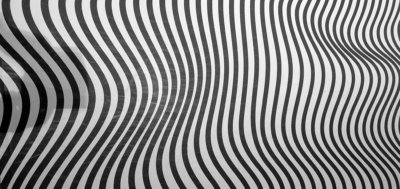
Have you ever noticed that straight lines on a page suddenly appear wavy or bent? If tiles, door frames or text seem distorted, you may be experiencing metamorphopsia. This visual disturbance affects how the brain interprets central vision, making objects appear stretched, compressed, or uneven.
Metamorphopsia means distortion of vision, usually linked to problems in the retina rather than the surface of the eye. In simple terms, metamorphopsia vision causes straight lines to look crooked and familiar shapes to appear altered. Because it often signals an underlying retinal condition, this symptom should never be ignored. Early evaluation can protect long-term visual health.
What Is Metamorphopsia? Understanding Distorted Vision
Metamorphopsia is a visual distortion that occurs when the macula, the central part of the retina responsible for detailed vision, is affected. Metamorphopsia is a condition in which straight objects appear bent, wavy, or irregular.
Unlike refractive errors such as short-sightedness or long-sightedness, metamorphopsia usually involves structural changes in the retina. When retinal cells shift, swell or wrinkle, the signals sent to the brain become distorted, leading to an altered perception of shapes.
Metamorphopsia Meaning Explained in Simple Terms
The metamorphosis’s meaning can be understood with everyday examples.
- A tiled floor may appear uneven.
- A door frame may look curved.
- Lines of text may seem to dip in the centre.
These distortions happen because the central retina no longer sends accurate visual information.
How Metamorphopsia Vision Affects Daily Life
Metamorphopsia vision can interfere with reading, recognising faces and judging distances. People may struggle to read small print, feel uncomfortable using digital screens, or find driving difficult if road markings appear distorted. Some individuals notice that one eye is worse than the other, making simple tasks requiring depth perception more challenging.
What Causes Metamorphopsia in the Eye?
The primary causes of metamorphopsia involve disorders of the retina and macula. The symptom is rarely related to the front of the eye. Instead, it reflects changes in the retinal layers that disrupt the processing of light signals.
Macular Degeneration as a Common Cause
Age-related macular degeneration is one of the leading causes of metamorphopsia. In this condition, the macula deteriorates over time, leading to distortion of central vision. Patients often report wavy lines when reading or a blurred patch in the centre of vision.
Epiretinal Membrane and Retinal Wrinkling
An epiretinal membrane forms when thin scar-like tissue develops over the retina. This membrane can contract, causing retinal wrinkling and distortion. The pulling effect alters how photoreceptors align, resulting in metamorphopsia vision.
Macular Oedema and Fluid Build-Up
Macular oedema occurs when fluid accumulates in the macula. Diabetes, inflammation or vein occlusion can trigger this swelling. As retinal layers expand, straight lines may appear curved or stretched.
Retinal Detachment and Macular Holes
Retinal detachment or a macular hole can lead to significant visual distortion. Structural damage to the retina disrupts normal image formation. In such cases, metamorphopsia may be accompanied by blurred or missing central vision.
Early Signs and Symptoms of Metamorphopsia You Should Not Ignore
The earliest sign of metamorphopsia eye changes is the distortion of straight lines. Other symptoms may include:
- Objects appearing smaller or larger than they are
- Faces looking asymmetrical
- Words appear warped while reading
- One eye is experiencing more distortion than the other
Any change in metamorphopsia vision should prompt an eye examination. Sudden distortion may indicate serious retinal disease requiring urgent care.
How Is Metamorphopsia Diagnosed?
Diagnosis begins with symptom assessment and visual testing. A common metamorphopsia test that can be used both at home and in clinics is the Amsler grid.
Amsler Grid Test for Metamorphopsia
The Amsler grid is a simple square grid with a central dot. When focusing on the centre, straight lines should appear uniform. If lines appear wavy, broken or missing, the metamorphopsia test is considered positive. This test helps detect early macular changes.
Advanced Eye Tests Used by Ophthalmologists
Ophthalmologists use optical coherence tomography to obtain cross-sectional images of the retina. This scan identifies swelling, membranes or holes in the macula. A dilated fundus examination further evaluates retinal health. Imaging is essential because treatment decisions depend on the specific structural cause of metamorphopsia.
Metamorphopsia Treatment Options Based on the Underlying Cause
There is no single metamorphopsia treatment. Management focuses on correcting the underlying retinal disorder.
Treating the Root Cause, Not Just the Symptom
Because metamorphopsia reflects structural retinal changes, addressing the cause improves outcomes. Early intervention can stabilise or reduce distortion.
Medical Treatments for Retinal Conditions
For macular degeneration or diabetic macular oedema, anti-VEGF injections reduce abnormal blood vessel growth and fluid accumulation. Steroid injections may be used in cases of inflammation. Controlling diabetes and blood pressure is critical for preventing worsening metamorphopsia.
Surgical Options for Severe Cases
Vitrectomy surgery may be recommended for epiretinal membranes or macular holes. During the procedure, scar tissue is removed to relieve traction on the eye. In selected cases, surgical repair can improve distortion, though recovery varies.
Can Metamorphopsia Be Reversed or Improved?
Improvement depends on the cause and timing of treatment. Some patients experience partial reversal after successful therapy for macular oedema or membrane removal. Others achieve stabilisation rather than complete recovery.
Chronic retinal damage may leave a persistent distortion. Regular follow-up visits help monitor changes in metamorphopsia vision and guide further care. Early diagnosis significantly improves the likelihood of better outcomes.
When Should You See an Eye Doctor for Metamorphopsia?
Seek medical attention if:
- Distorted vision appears suddenly
- Straight lines begin looking wavy
- One eye shows noticeable changes
- Symptoms worsen over days or weeks
Because metamorphopsia often indicates retinal disease, delaying assessment may result in permanent damage to central vision. Immediate evaluation is essential if distortion is accompanied by flashes of light, floaters or sudden vision loss.
Conclusion: Why Metamorphopsia Is a Warning Sign You Should Never Ignore
Metamorphopsia is more than a minor visual disturbance. It signals possible macular or retinal disease that requires medical attention. Understanding the meaning of metamorphopsia, recognising early symptoms, and seeking prompt diagnosis can protect long-term sight.
Modern imaging and targeted treatments have improved outcomes for many retinal conditions. Routine eye examinations remain the best way to detect problems early. If straight lines begin to look crooked, do not dismiss them. Timely care can preserve vision and prevent progression.