


Diabetes raises awareness about its long-term complications and the importance of protecting vision. Diabetes can harm the eyes in several ways, including diabetic retinopathy, diabetic macular oedema, diabetes and cataracts, and glaucoma.
Good diabetes management helps prevent vision loss and supports overall health. This guide explains how diabetes affects the eyes and offers practical diabetes management tips to protect vision.
Introduction – Why Diabetes Awareness Matters for Your Eyes
Many people are unaware that diabetes is one of the leading causes of preventable blindness. Awareness campaigns focus on early detection, timely treatment, and healthier lifestyle habits.
High blood sugar damages small blood vessels in the retina, increasing the risk of diabetic retinopathy. By learning how diabetes affects vision and acting early, you can protect your eyes throughout the year.
Understanding the Link Between Diabetes and Vision Loss
How High Blood Sugar Damages the Eyes
Long-term high blood sugar weakens tiny retinal vessels. These changes cause swelling, leakage, blocked vessels, and fragile new vessels. These processes form the basis of diabetic retinopathy.
Fluctuating sugar levels can also temporarily change lens shape, causing blurred vision and diabetes symptoms. Over time, these diabetic retinopathy causes can permanently reduce sight if left untreated, which is why diabetes is a leading cause of blindness in working-age adults. Understanding how diabetes affects eyesight helps people take eye health seriously.
Diabetes and Cataracts
A cataract is a clouding of the eye’s natural lens. People with diabetes develop cataracts earlier because high sugar levels cause deposits and fluid shifts in the lens.
This increases the risk of cataracts, especially when combined with high blood pressure, obesity, smoking, or long sun exposure. Although early cataracts may be managed with brighter lighting or anti-glare sunglasses, surgery is the only long-term solution for cataracts and great blood sugar-related changes.
Diabetes and Glaucoma
Glaucoma involves damage to the optic nerve and is often associated with high eye pressure. People with diabetes have a higher risk of open-angle glaucoma, and advanced retinopathy can lead to neovascular glaucoma, where abnormal new vessels block fluid drainage. Diabetes and glaucoma connection research shows that glaucoma cannot be prevented, but it can be slowed through early diagnosis and treatment.
Risk Factors for Diabetic Eye Disease
Major diabetic eye disease risk factors include poor blood sugar control, high blood pressure, high cholesterol, smoking, and long duration of diabetes. It is important to note that individuals of African, Hispanic, South Asian, or Indigenous heritage may be at a higher risk of developing diabetic eye diseases.
Lifestyle factors such as inactivity, excess weight, and poor diet also contribute. Discuss your ethnicity, diabetes eye risk, and screening frequency with your doctor.
Manage Your Diabetes to Protect Your Vision
Control Blood Sugar Levels
Maintaining controlled glucose is the foundation of diabetes management. Use home monitors, follow dietary guidelines, take medicines as prescribed, and track HbA1c levels. These diabetes management tips significantly reduce the progression of diabetic retinopathy.
Maintain Healthy Blood Pressure & Cholesterol
High pressure and cholesterol accelerate damage to retinal vessels. Effective diabetes and hypertension management, along with medication adherence support, promotes eye health. Reduce salt and choose healthy fats to support cholesterol and eye health.
Exercise Regularly for Eye Health
Moderate daily activity improves blood sugar and blood pressure while supporting cholesterol levels. Aim for 30 minutes most days, including walking, cycling, or cleaning. Always confirm with your doctor before starting a routine. Exercise and diabetic eye health are closely connected.
Eat a Nutrient-Rich Diet
Foods rich in omega-3 fatty acids, such as salmon, reduce inflammation and support retinal health. Dark leafy greens provide lutein and zeaxanthin, which support the macula and may protect against diabetes and cataracts. High-fibre foods like oats, beans, and fruits help regulate blood sugar and cholesterol, supporting a healthy diet for diabetic eyes.
Stay Hydrated & Limit Sugary Drinks
Dehydration can raise blood sugar levels. Drinking water is key to hydration for diabetes. Choose fruit-infused water instead of sugary drinks to support water for blood sugar control.
Quit Smoking & Limit Alcohol
Smoking doubles the risk of cataracts and worsens retinopathy. Joining cessation programmes helps with quitting smoking for eye health. Alcohol affects sugar control, so moderation is important for stable readings.
Manage Stress & Practice Mindfulness
Stress raises blood sugar and blood pressure. Techniques such as meditation, breathing exercises, or yoga help improve stress management and support better glucose control in people with diabetes.
Take Medications Correctly
Follow instructions for all tablets and insulin. Store insulin properly and avoid changing doses without guidance. Correct diabetes medication adherence prevents dangerous highs and lows.
Regular Eye Exams & Early Detection
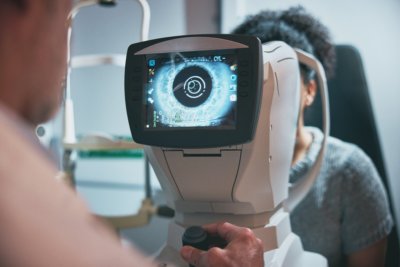
A yearly dilated eye exam is essential for early diagnosis of changes that occur before vision loss. Pregnant women with diabetes should have more frequent checks. Follow diabetic eye screening guidelines and see your specialist sooner if you notice vision changes.
Protect Your Eyes from UV & Injury
Wear sunglasses that block 99 per cent of UVA and UVB rays to reduce UV protection and diabetes risks and slow diabetes and cataracts. Use protective eyewear during sports or home repairs to avoid injury.
Special Considerations for Children, Teens & Pregnancy
Children with diabetes should have their first eye exam at puberty or earlier if symptoms appear. Pregnant women with diabetes need more frequent checks since pregnancy can worsen retinopathy. Even with gestational diabetes, eye health can change, so postpartum monitoring helps ensure stable vision.
Conclusion: Embrace Healthy Habits
ake proactive steps to protect your eyes. Managing blood sugar, exercising regularly, eating well, staying hydrated, avoiding smoking, and getting annual eye exams all reduce the risk of vision loss. Early detection and consistent care help preserve sight for the long term. Recommit to healthier living and regular screening.