



What Is a Brown Spot on the Eye?
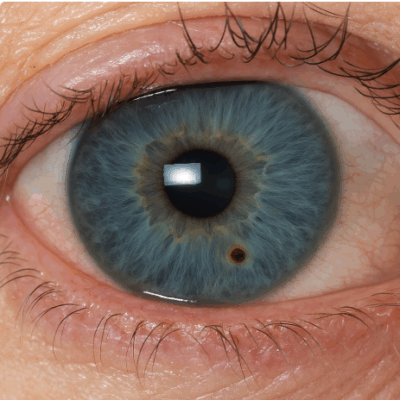
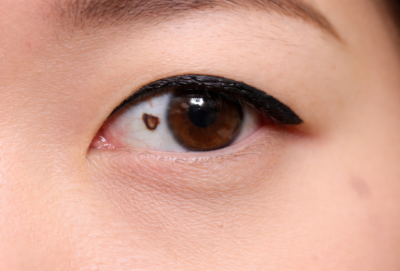
A brown spot on the eye refers to a patch of pigmentation caused by melanin deposits on the surface or inside the eye. These spots may appear on the iris, conjunctiva or sclera and are often called eye freckles or nevi.
A brown freckle on the eye may look like a small dot or patch and is usually harmless. However, a few spots may require medical evaluation due to the possibility of changes in size or colour. Some people notice a brown spot on white of the eye, while others see a brown spot on the iris, which may be present from childhood or develop gradually over time.
What Causes Brown Spots on the Eye?
The causes of brown spots on the eye vary depending on age, genetics and environmental exposure. Pigmentation may develop due to:
- Natural melanin concentration and genetic factors
- Prolonged sun exposure and UV damage
- Ageing and gradual darkening of eye tissues
- Inflammation or certain medications
- Rarely, abnormal cell growth or eye tumours such as ocular melanoma
Types of Brown Spots Seen in the Eye
Several types of brown spots on the eye can occur, each with different characteristics.
onjunctival Nevus: Common in children and usually harmless.
A conjunctival nevus is one of the most common forms and is typically seen in children or young adults. It appears on the surface of the eye and rarely causes problems.
ris Nevus: Brown freckle within the coloured part of the eye.
An iris nevus is a brown freckle on the iris, often discovered during routine eye exams. These are usually stable but require monitoring for any size changes.
Primary Acquired Melanosis (PAM)
Primary acquired melanosis develops in adults and presents as flat, irregular pigmentation. Some forms of PAM can progress to cancer, making regular monitoring essential. This type is associated with brown pigmentation on the iris or conjunctiva.
When Should You Worry About a Brown Spot on the Eye?
Most spots are benign, but certain warning signs need urgent attention:
- Rapid or noticeable increase in size
- Changes in colour or irregular borders
- Elevated or raised appearance
- Pain, redness or irritation
- Vision changes or shadowing
These may indicate a serious brown spot on the eye, or in rare cases, early signs of eye melanoma. Any suspicious changes should prompt an immediate consultation with an ophthalmologist. Being alert to the symptoms of a dangerous brown spot on the eye helps ensure early diagnosis.
How Is a Brown Spot on the Eye Diagnosed?
Accurate diagnosis of a brown spot on the eye requires a detailed eye examination. Ophthalmologists use several diagnostic tools:
- Slit-Lamp Examination: A magnified evaluation of the eye’s surface and internal structures helps identify the type of pigmentation.
- Fundus Photography: Photographs taken over time help track subtle changes.
- Ultrasound (UBM) or OCT: These advanced imaging tests assess the thickness and depth of the spot.
- Biopsy: If malignancy is suspected, a biopsy may be recommended.
This combination provides a reliable diagnosis of eye freckles and supports precise decision-making. A slit-lamp test is typically the first step in evaluating a pigmented lesion.
Treatment Options for Brown Spots on the Eye
Treatment for a brown spot on the eye depends on its type and risk level. Most spots require no intervention and are monitored annually. Treatment approaches include:
- Regular observation for harmless nevi
- Laser treatment for cosmetic concerns or non-dangerous spots
- Surgical removal if malignancy is suspected
Laser and Surgical Treatment Options
Laser therapy may reduce pigmentation in harmless lesions. Minor outpatient surgery is used for suspicious growths or lesions affecting appearance or comfort. Both options fall under eye freckle treatment, eye pigmentation treatment or brown spot removal from the eye, depending on the case.
Can Brown Spots on the Eye Be Prevented?
Although genetic factors cannot be controlled, several measures help in preventing brown spots on the eye:
- Wearing UV-protected sunglasses outdoors
- Regular eye examinations to detect early changes
- Treating chronic eye inflammation promptly
- Avoiding harmful chemicals or unnecessary eye rubbing
Living With a Brown Spot on the Eye
People often need reassurance when living with a brown spot on the eye. Most pigmented spots are benign, stable and do not affect daily activities. Regular eye check-ups ensure timely detection of any changes.
If a spot remains unchanged, it is considered a harmless finding. Understanding the difference between benign nevi and worrisome lesions helps patients feel confident. Regular monitoring supports management of harmless eye spots, eye freckle monitoring, and benign pigmentation in the eye.
Conclusion
A brown spot on the eye is commonly a harmless patch of pigmentation caused by natural melanin. While most spots require only routine monitoring, changes in size, colour or shape should be evaluated by an ophthalmologist.
Early detection ensures peace of mind and protects long-term eye health. Regular check-ups, sun protection and awareness of warning signs reduce risks.