


Key Takeaways
- Corneal ulcers can arise from infections or injuries that result in redness, discomfort, and sight issues.
- Commonly, infections from fungi, viruses, and bacteria, eye injuries, dry eye syndrome, and deficiency of Vitamin A can all causes ulcers.
- If you notice symptoms including irritation, redness, or discharge, be sure to see an eye care professional.
- Treat ulcer with antibiotic, antifungal, or antiviral drops, but if serious surgery may be necessary.
- You can avoid corneal ulcers by practicing good hygiene, wearing protection when needed, and getting your eyes checked regularly.
As an eye specialist, we frequently come across cases of eye injuries which if were taken seriously in the earlier stages would have never progressed to forming a corneal ulcer. This article discusses all one needs to know about corneal ulcer.
What is a Corneal Ulcer? (Definition and Symptoms)
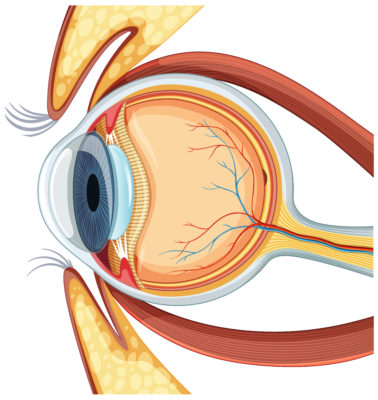
Corneal Ulcer also known as Ulcerative Keratitis is an inflammatory condition of the cornea (clear tissue in front of the eye) involving disturbance of its epithelial layer with the involvement of the corneal stroma. It presents as redness in the eye, pain in the eye, mild to severe eye discharge and reduced vision.Additionally, clinical signs such as conjunctival injection (redness of the eye’s surface) and the presence of hypopyon (a collection of white blood cells in the anterior chamber) may also be observed, indicating the severity of the infection.
Causes of Corneal Ulcers (Infectious and Non-Infectious Causes):
Most of the corneal Ulcer is caused by fungi, viruses, bacteria and protozoa. In addition to these infectious causes, vitamin A deficiency can impair the corneal epithelium, leading to weakened tissue and increased susceptibility to ulcers. Dry eyes, which result from inadequate tear production or poor tear quality, can also cause corneal epithelial breakdown, contributing to ulcer formation.
Infectious cause:
- Acanthamoeba Keratitis (Rare Amoeba Infection): It is a rare eye disease in which amoeba invades the cornea of the eye, resulting in visual impairment or blindness. This infection occurs in people who frequently wear contact lenses. To prevent the condition, the contact lens must be properly disinfected before wearing. If left untreated, Acanthamoeba keratitis can cause permanent vision loss, making early diagnosis and treatment crucial. To prevent the condition, contact lenses must be properly disinfected before wearing.
- Herpes Simplex Keratitis (Viral Infection): Herpes Simplex Keratitis is a viral infection of the eye caused by Herpes simplex virus. It is a viral infection that causes repeated flare ups which involve lesions or sores in the eye and if not treated leads to an ulcer in the eye. Effective management often involves antiviral medications to control flare-ups and prevent further complications. Therefore, it is crucial to complete the full treatment of Herpes Simplex Keratitis to reduce the risk of recurrence and protect vision.
Eye Injuries Leading to Corneal Ulcers: Injury to the eye resulting in abrasions or scratch to the cornea, if left untreated, leads to ulcer formation. Scratches, scrapes and cuts from fingernails, paper cuts, makeup brushes etc. can become infected by bacteria and lead to corneal ulcers. For instance, a minor scratch from a fingernail or an unnoticed paper cut can, over time, develop into a painful corneal ulcer if proper care is not taken, potentially affecting vision.
Dry Eye Syndrome and Its Link to Corneal Ulcers: Dry eyes develop when the eye is unable to maintain a healthy coating of the eye with the help of tears. In such cases, the eye is too dry to protect itself and this becomes a good base for the bacteria and fungi. An ophthalmologist may recommend lubricating eye drops to help keep the eyes moist and prevent further irritation. Additionally, lifestyle changes such as using a humidifier, taking regular breaks from screen time, and staying hydrated can help manage dry eye symptoms and reduce the risk of corneal ulcers.
Vitamin A Deficiency and Corneal Health: To prevent this, it’s important to maintain an adequate intake of Vitamin A, either through dietary sources like carrots, leafy greens, and liver or through supplementation, especially for individuals at higher risk of deficiency. Consulting a healthcare professional before starting supplementation can help ensure proper dosage and avoid potential side effects.
When to See a Specialist for Corneal Ulcer Symptoms:
If one experiences the following symptoms; please set up an appointment with an eye specialist immediately, as delayed treatment can lead to permanent damage to the cornea:
- Itching in eyes
- Watery eyes
- Burning or stinging sensation in the eyes
- Redness in the eye
- Pus-like discharge from the eyes.
- Sensitivity to light.
- Swollen eyelids.
- Foreign body sensation in eyes
What is the treatment for Corneal Ulcer?
- Various eye drops are used to treat corneal ulcers. Antibiotics eye drops, Antifungal eye drops and Antiviral eye drops are the mainstay of treatment depending on the cause of the ulcer.
- Anti-inflammatory eye drops are used to reduce the eye swelling and inflammation in the eye. Corticosteroids may also be prescribed to manage inflammation, but they must be used cautiously, as they can suppress the immune response and potentially worsen certain types of infections.
- If the corneal ulcers are deep and cannot be treated by eye drops and medication; surgery is mandatory to prevent vision loss. A Corneal Transplant can replace damaged cornea and restore vision.
Key Tips for Preventing Corneal Ulcers:
- Avoid touching or rubbing your eyes with dirty hands. Aggressive rubbing of the eyes can damage the cornea, potentially leading to a corneal ulcer.
- Ensure you are getting the daily recommended dose of vitamins through your diet. Good nutrition plays a crucial role in maintaining healthy vision and preventing eye conditions.
- Wear protective eyewear while working in industries, driving, and swimming. Protective glasses shield the eyes from dust, wind, and chlorinated water from swimming pools. Welders should always wear protective eye gear while welding and cutting.
- Visit your ophthalmologist for regular eye examinations. Routine check-ups are essential for early detection of any potential eye issues.
- Monitor and control your diabetes and hypertension. Proper management of these conditions can significantly reduce the risk of developing eye problems, including corneal ulcers.
- For contact lens users, wash your hands thoroughly each time you handle your lenses to reduce the risk of infection. Never share your contact lenses with anyone, and follow the manufacturer’s guidelines on usage.
- Never sleep with contact lenses in your eyes. Always remove them before going to bed to prevent dryness and infection.
- Store contact lenses in disinfecting solutions overnight. This is essential to maintain lens hygiene and avoid bacterial growth.
- Replace your contact lenses according to your ophthalmologist’s recommendations or the manufacturer’s specified intervals to prevent complications and maintain optimal eye health.