



Corneal blindness refers to vision loss caused by damage, scarring, or opacity of the cornea, and is recognised as one of the leading causes of blindness and visual disability. Current estimates indicate that over 5.5 million people worldwide are bilaterally blind due to corneal conditions, with more than 20 million experiencing blindness or visual impairment in at least one eye.
In India, the burden is particularly high. Corneal blindness is the second most common cause of preventable blindness, affecting over 1.2-1.3 million people bilaterally and resulting in thousands of new cases each year. Understanding what corneal blindness is, why it occurs, and how it can be prevented or treated is essential for protecting long-term vision and reducing avoidable disability.

Why the Cornea Matters for Vision
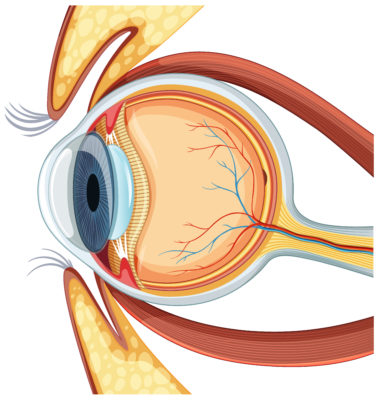
The cornea is the clear, dome-shaped front surface of the eye that helps focus light onto the retina. When it is scarred, swollen or opaque, light cannot pass through clearly, leading to corneal blindness.
In simple terms, what does corneal blindness mean? It is a significant, often severe, loss of vision caused by permanent damage to the cornea.
What Causes Corneal Blindness?
Infectious Keratitis
Bacterial, fungal, viral or protozoal infections can damage the cornea and leave dense scars. Poor contact lens hygiene, eye trauma and unregulated steroid eye drops increase this risk.
Trauma
Injuries from agricultural work, road accidents, chemicals, hot liquids, fireworks or sharp objects can permanently damage the cornea. In many rural regions, trauma is one of the main causes of corneal blindness in India.
Degenerative and Dystrophic Diseases
Conditions such as keratoconus, Fuchs dystrophy and pseudophakic bullous keratopathy can gradually cloud or distort the cornea.
Nutritional Deficiency and Systemic Disease
Severe vitamin A deficiency, measles, autoimmune disorders and poorly controlled dry eye disease may contribute to corneal blindness. Early treatment of infections, proper contact lens use, and eye protection can significantly reduce the causes of corneal blindness across all age groups.
Recognising the Symptoms of Corneal Blindness
Typical corneal blindness symptoms depend on the underlying cause but often include:
- Blurred, hazy or foggy vision
- Sensitivity to light
- Persistent redness, pain or watering
- Feeling of grit or a foreign body in the eye
- Visible white or grey opacity on the cornea
How is Corneal Blindness Diagnosed?
For accurate diagnosis of corneal blindness, an ophthalmologist performs:
- Detailed history, including trauma, infections, surgery and contact lens use
- Visual acuity testing
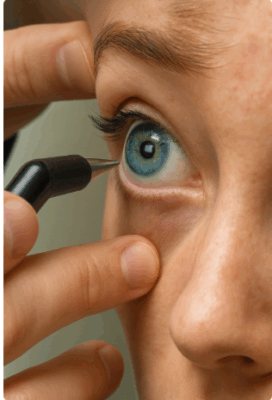
- Slit lamp examination to assess corneal clarity, thickness, ulcers or scars
- Fluorescein staining to highlight defects or ulcers
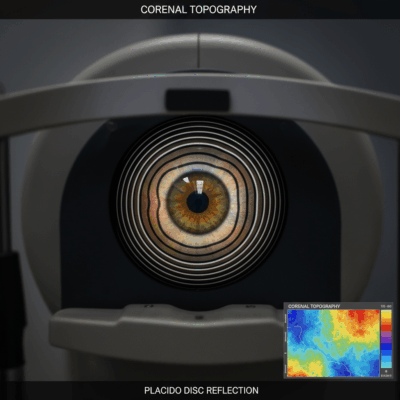
- Corneal topography or anterior segment OCT to analyse shape and structure
- Microbiological tests when infection is suspected
Treatment Options for Corneal Blindness
Medical Treatments and Supportive Care
In early or active disease, corneal blindness treatment may include:
- Intensive antibiotic, antifungal or antiviral eye drops for infections
- Lubricating drops and gels to protect the ocular surface
- Management of underlying conditions such as dry eye, autoimmune disease or vitamin A deficiency
- Special contact lenses to temporarily improve vision in selected cases
Home Care and Prevention Strategies
Preventing corneal blindness at home requires good eye hygiene, avoiding rubbing your eyes with unwashed hands, proper contact lens care, and using protective eyewear during high-risk activities.
In trachoma-endemic regions, the SAFE strategy Surgery, Antibiotics, Facial cleanliness, and Environmental improvement significantly reduces disease transmission and corneal scarring. Regular eye examinations help detect infections and corneal damage early, preventing permanent vision loss.
Corneal Transplantation – The Definitive Treatment
When scarring severely affects vision, a corneal transplant for corneal blindness is the most effective treatment. Damaged tissue is replaced using penetrating, lamellar, or endothelial keratoplasty.
Corneal transplantation is among the most commonly performed tissue transplants globally, but donor shortages remain significant. In India, only 47,676 corneas were retrieved and 29,057 used in 2023, against an annual requirement of nearly 100,000, underscoring the need for greater awareness of eye donation.
Emerging Research and Regenerative Therapies
Innovations are advancing new treatments for corneal blindness, particularly for patients who lack access to donor corneas. Research into stem-cell-derived corneal epithelium, gene-edited immune-evasive cells and biomimetic collagen scaffolds aims to provide alternative solutions to traditional transplantation.
Eye Banking and the Importance of Donation
Eye donation is essential for treating corneal blindness, as corneal transplantation cannot occur without donor tissue. Internationally, eye banks coordinate tissue retrieval, testing and distribution to surgeons. The Eye Bank Association of America provides tissue for more than 85,000 transplants annually.
Prevention and Early Intervention
Understanding how to prevent corneal blindness is essential for reducing avoidable visual loss.
- Hygiene and Sanitation: Facial cleanliness, frequent handwashing and improved access to safe water reduce the spread of trachoma in endemic regions.
- Protective Measures: Wearing correctly fitting goggles at work or during sports helps prevent trauma and chemical or thermal injuries. Avoiding traditional or unverified eye remedies also lowers the risk of corneal damage.
- Nutrition: Adequate vitamin A intake and measles vaccination prevent xerophthalmia, a major cause of childhood corneal scarring.
- Prompt Treatment: Any eye infection, trauma or contact-lens-related discomfort should be evaluated promptly. Early therapy can prevent scarring and preserve long-term vision.
Conclusion – Protecting Your Vision from Corneal Blindness
Corneal blindness is preventable in many cases, and timely treatment can preserve or restore sight. Infections, trauma and degenerative conditions contribute to scarring, but early recognition and appropriate management reduce the risk of permanent visual loss.
Corneal transplantation remains the gold-standard treatment for advanced scarring, although donor shortages highlight the importance of widespread eye-donation efforts.