



If you’re considering vision correction surgery, you’ve probably come across Silk eye surgery as one of the newest and most advanced options available. But naturally, one of the first questions that comes to mind is: how long will the results actually last? Will you eventually need glasses again, or is this truly a permanent solution?
Understanding what is Silk eye surgery and its long-term effectiveness is crucial for making an informed decision about your vision care. In this guide, we’ll explore the longevity of Silk eye surgery results, what factors influence how long your clear vision lasts, and what you can realistically expect in the years following your procedure.
Understanding Silk Eye Surgery and How It Works
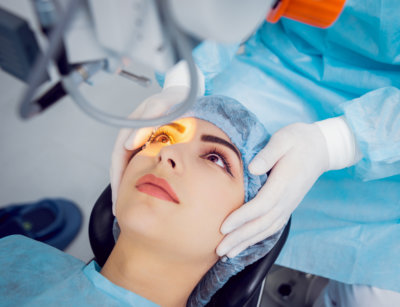
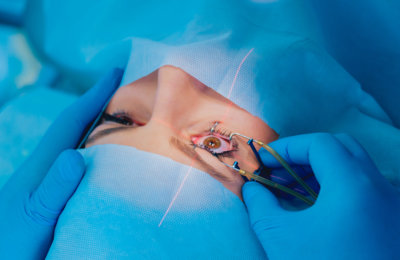
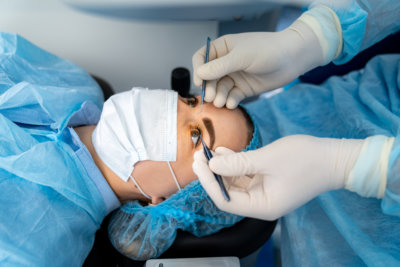
Silk eye surgery represents the cutting edge of bladeless laser vision correction technology. Using ultra-precise femtosecond laser technology, this advanced procedure corrects refractive errors like myopia (nearsightedness), hyperopia (farsightedness), and astigmatism.
Here’s how Silk eye surgery works to correct your vision for the long term:
How Silk Eye Surgery Works:
- Corneal Reshaping: The laser creates and removes a small, lens-shaped piece of tissue (called a lenticule) from the cornea.
- Minimal Disruption: A tiny 2-3mm incision preserves corneal strength and nerve integrity.
- Permanent Correction: The structural change to your cornea’s shape is designed to be lasting.
Unlike glasses or contacts that temporarily adjust for refractive errors, Silk surgery physically reshapes the cornea. This allows over 95% of patients to achieve 20/20 vision or better, setting the stage for clear, lasting vision.
Are Silk Eye Surgery Results Permanent?
This is a key question many patients ask: are the results permanent? The short answer is yes—but with a few caveats.
Permanent Correction, But Natural Changes Still Occur
- Permanent Correction: Once your cornea is reshaped, the correction is permanent. The tissue removed during the procedure doesn’t regenerate, and the new corneal curvature remains stable.
- Aging Effects: While the surgery corrects refractive errors permanently, your eyes will continue to age naturally. This may lead to conditions like presbyopia (age-related near vision loss) as you get older, regardless of the surgery.
Think of it this way: if you had perfect vision at age 25, you’d likely need reading glasses by your 40s. The same applies to Silk eye surgery the correction lasts, but the aging process still affects your near vision.
How Long Do Silk Eye Surgery Results Typically Last?
For most patients, the results of Silk eye surgery last well beyond 10-15 years, with many individuals enjoying stable, clear vision for 20 years or more.
What to Expect Long-Term:
- Vision Stability: 95%+ of patients maintain improved vision without the need for corrective lenses for distance.
- Healing Time: Most patients see stable vision within 3-6 months.
- Long-Term Satisfaction: High satisfaction rates persist, with many enjoying years of freedom from glasses or contacts.
Silk’s gentle approach preserving more corneal tissue and minimizing nerve disruption ensures better healing and long-term stability, resulting in clearer vision and more predictable outcomes.
Factors Affecting the Longevity of Silk Eye Surgery Results
The longevity of your Silk surgery results depends on several factors.
Age at the Time of Surgery
- Younger Patients (20s-30s): Those with stable prescriptions may enjoy stable results for decades.
- Patients 40 and Older: Presbyopia is a normal aging process that leads to near-vision issues, despite surgery.
It’s typically recommended to wait until your mid-20s when your prescription stabilizes, although the best results are seen in patients aged 25-40.
Eye Conditions and Stability
- Stable Prescription: Ensure your prescription has been stable for at least 12-24 months before surgery.
- Pre-existing Conditions: Conditions like keratoconus or severe dry eye may impact healing.
A thorough pre-operative evaluation ensures you’re a good candidate for lasting results.
Post-Surgery Care and Lifestyle
How you care for your eyes after the surgery plays a big role in the longevity of your results.
- UV Protection: Wear high-quality sunglasses to protect your eyes from UV damage.
- Regular Check-ups: Follow-up appointments help detect any early issues.
- Screen Time and Hydration: Managing screen time and keeping eyes hydrated will ensure better results.
Can Vision Change Years After Silk Eye Surgery?
It’s possible for vision to change years after surgery, but typically, this is due to natural aging.
Causes of Vision Changes
- Presbyopia: Difficulty focusing on close objects, typically starting in your mid-40s.
- Cataracts: Age-related changes in the lens.
Though it’s rare, some patients may experience mild regression (a slight return of the original refractive error) years after surgery. This can usually be addressed with a minor enhancement procedure.
Will You Need Glasses Again After Silk Eye Surgery?
For most patients, the answer is no, especially for distance vision. However, age-related changes can affect near vision.
What to Expect with Near Vision:
- Under 40: You likely won’t need reading glasses for many years.
- Over 45: Presbyopia will eventually require reading glasses.
Some patients may still need glasses for night driving or reading fine print, but these needs typically don’t arise until later in life.
How Silk Eye Surgery Compares to LASIK and SMILE
When considering Silk, you may wonder how it compares to LASIK and SMILE in terms of long-term results.
Silk vs LASIK and SMILE
- LASIK: Known for long-term results (10-20+ years), but may have a higher incidence of dry eyes.
- SMILE: A newer procedure with 10-15 years of data, known for a smaller incision and less dry eye risk.
- Silk: Offers a promising future with more precise results, faster recovery, and less disruption to corneal nerves.
How to Maintain Long-Lasting Results After Silk Eye Surgery
Maintaining your results after Silk surgery is key to ensuring long-term success.
Long-Term Care Tips:
- Annual eye exams
- UV protection
- Eye lubrication and hydration
- Screen time management
- Proper post-operative care
Conclusion
Silk eye surgery offers excellent long-term results, with many patients enjoying clear vision for 15-20 years or longer. While the correction is permanent, natural aging processes like presbyopia will eventually affect near vision. With careful post-surgery care and regular check-ups, Silk can significantly improve quality of life, offering lasting freedom from glasses and contacts.