



Have you ever been in the middle of work or stepping outdoors when your eyes suddenly start itching uncontrollably? It can feel minor at first, but persistent irritation often leaves people searching for answers. There are several reasons for itchy eyes, and understanding what causes itchy eyes is the first step towards effective relief.
Itchy eyes affect children, adults, and older individuals alike. They are often accompanied by redness, watering, mild swelling, or a burning sensation. In most cases, the cause is simple and manageable. This guide explains eight common medical and lifestyle-related triggers, how to recognise warning signs, and safe ways to manage symptoms.

Understanding Itchy Eyes and Related Symptoms
Itching is not a disease by itself but a symptom of irritation or inflammation. Many people notice itchy watery eyes, especially during allergy season or after prolonged screen use. Others report red and itchy eyes, sometimes with mild swelling of the eyelids.
You may feel a tickling sensation under the eyelids or an urge to rub your eyes repeatedly. Some individuals also experience burning, light sensitivity, or discharge. Because itching can signal several underlying issues, identifying the cause is important before choosing treatment.
8 Common Reasons for Itchy Eyes You Should Know
Eye Allergies (Allergic Conjunctivitis)
One of the most common answers to the question of what causes itchy eyes is allergy. Pollen, dust mites, pet dander, and mould spores can trigger allergic conjunctivitis. This condition usually affects both eyes and often causes itchy watery eyes, redness, and mild swelling.
Seasonal allergies tend to worsen during spring or monsoon months when airborne allergens increase. Indoor allergies may occur year-round. Symptoms often improve when exposure to triggers is reduced.
Dry Eyes Causing Irritation and Itching
Dry eye disease can paradoxically cause itching. When the tear film becomes unstable, the eye surface becomes irritated. People may complain of red and itchy eyes, especially after long hours of computer work or exposure to air conditioning.
Ageing, hormonal changes, and certain medications can also reduce tear production. Understanding how to relieve itchy eyes involves restoring moisture with appropriate lubricating drops and taking regular screen breaks.
Eye Infections Like Conjunctivitis
Viral or bacterial infections can also lead to red and itchy eyes. Infective conjunctivitis often includes discharge, crusting around the lashes, and stickiness upon waking.
Viral infections are usually associated with watery discharge, while bacterial infections may produce thicker secretions. If itching is accompanied by pain, blurred vision, or significant discharge, medical evaluation is necessary to prevent complications.
Contact Lens Overuse or Improper Cleaning
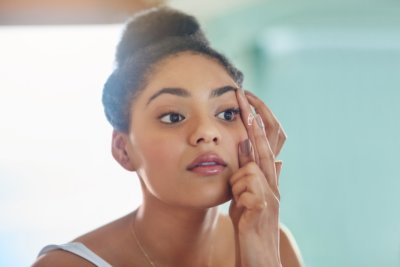
Extended contact lens wear, poor hygiene, or expired lens solutions can irritate the eye surface. Deposits on lenses may cause inflammation and itching.
In such cases, an effective itchy eyes remedy includes removing lenses, cleaning them properly, or temporarily switching to glasses. Sleeping in lenses not designed for overnight use significantly increases the risk of irritation and infection.
Eye Strain from Screens and Digital Devices
Long hours on phones, tablets, and computers reduce blinking frequency. This leads to tear evaporation and surface dryness, which can trigger itching.
Many people searching for how to relieve itchy eyes may not realise that digital strain is contributing to the problem. The 20-20-20 rule, regular blinking, and proper lighting can help reduce symptoms linked to prolonged screen exposure.
Environmental Irritants Like Smoke and Pollution
Another important factor that causes itchy eyes is environmental exposure.
- Smoke, chemical fumes, and air pollution irritate the conjunctiva.
- Urban residents may notice increased itching during high pollution days.
- Chlorinated swimming pools, strong cleaning products, and dust can also inflame sensitive eyes.
- Protective eyewear and limiting exposure often reduce symptoms.
Cosmetic or Skincare Product Reactions Around Eyes
Make-up, eye creams, and expired cosmetic products can trigger allergic or irritant reactions. Mascara, eyeliner, and glitter-based products sometimes block glands along the eyelid margins.
If itching begins soon after using a new product, discontinuing it is often the first step in treating itchy eyes. Patch testing and choosing hypoallergenic products can prevent recurrence.
Underlying Eye Conditions or Eyelid Problems
Chronic eyelid inflammation, such as blepharitis or meibomian gland dysfunction, may also be among the lesser-known reasons for itchy eyes. These conditions cause crusting at the lash base, dryness, and recurrent irritation. Unlike temporary allergies, these problems may require ongoing management under the guidance of an eye specialist.
How to Relieve Itchy Eyes Safely at Home
Understanding how to relieve itchy eyes safely helps prevent worsening irritation. Start by avoiding eye rubbing, as this can increase inflammation and introduce infection. A clean, cold compress applied over closed eyelids can soothe discomfort.
Maintaining eyelid hygiene, especially for those prone to blepharitis, is important. Limiting screen time, staying hydrated, and reducing allergen exposure also help. A simple itchy eyes remedy, such as artificial tears, can wash away mild irritants. However, if symptoms persist beyond a few days, seek medical advice.
When to Use Eye Drops for Itchy Eyes
Choosing the best eye drops for itchy eyes depends on the underlying cause. Lubricating drops help relieve dryness and mild irritation. Anti-allergy drops containing antihistamines may reduce allergy-related itching.
Some people look for eye drops for itchy, watery eyes during allergy season. While over-the-counter options can provide relief, avoid using redness-relief drops long term. A doctor should always evaluate persistent redness, pain, or vision changes before starting medication.
When Itchy Eyes Need Medical Attention
Most itching improves with simple measures. However, consult an ophthalmologist if symptoms last more than a week, worsen, or are associated with pain, blurred vision, thick discharge, or light sensitivity. Severe redness or swelling may indicate an infection or a deeper eye problem that requires treatment.
Conclusion: Identifying the Right Cause Is the Key to Itchy Eye Relief
There are many reasons for itchy eyes, ranging from mild allergies to chronic eyelid conditions. While most causes are not serious, correct identification ensures effective and safe treatment.
Understanding what causes itchy eyes helps prevent repeated irritation and unnecessary medication use. If symptoms persist or feel unusual, a timely professional evaluation protects long-term eye health.