



Many people use eye drops for irritated eyes when redness, itching, or dryness appears. In many cases, these drops provide quick relief. However, eye irritation can range from mild dryness caused by environmental exposure to early signs of infection or inflammation.
Eye discomfort often develops after prolonged screen use, contact lens wear, or exposure to dust, smoke, or allergens. Mild irritation usually improves with appropriate lubricating drops. However, persistent symptoms or worsening discomfort may indicate an underlying eye condition that requires professional evaluation.
Using the correct eye drops for irritation helps relieve symptoms safely. Recognising when medical attention becomes necessary protects vision and prevents complications.
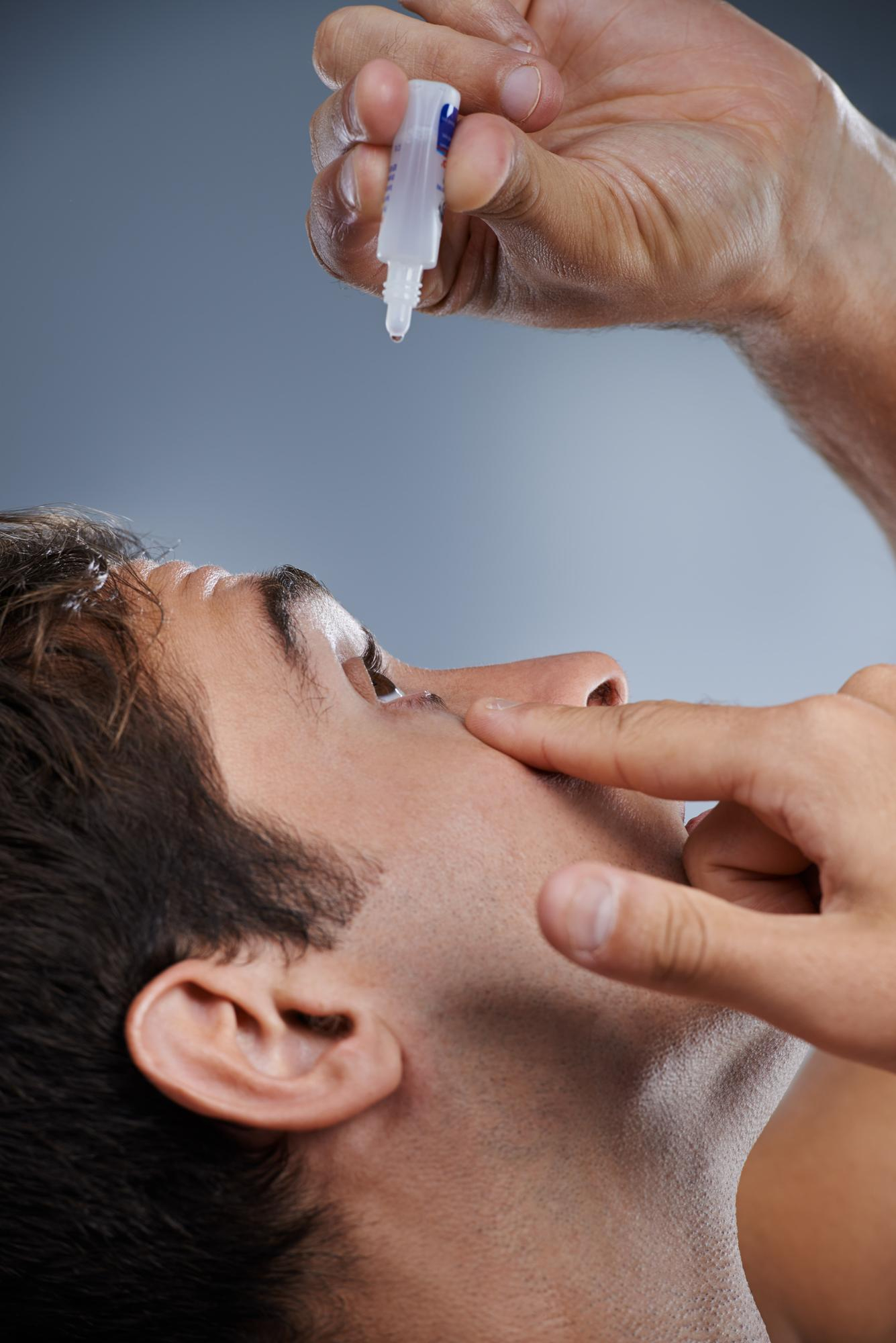
Understanding Irritated Eyes
Common Causes of Eye Irritation
Eye irritation occurs due to several everyday factors. The most common triggers include:
- Dry eye syndrome is caused by reduced blinking or prolonged screen exposure
- Allergic reactions to pollen, dust, pet dander, or pollution
- Environmental conditions such as wind, smoke, or air conditioning
- Contact lenses, especially when lenses remain in place for long periods
- Eye infections, including bacterial or viral conjunctivitis
Symptoms to Watch For
Eye irritation presents with a range of symptoms. Some symptoms remain mild and temporary, while others warrant professional evaluation.
Mild symptoms
- Dryness
- Burning or itching
- Slight redness
- Foreign body sensation
Warning symptoms
- Persistent redness lasting several days
- Increasing pain
- Sensitivity to light
- Thick discharge
- Blurred or fluctuating vision
Types of Eye Drops for Irritated Eyes
Over-the-Counter Eye Drops for Irritated Eyes
Artificial tears represent the most common eye drops for irritated eyes. These drops lubricate the eye surface and help flush away allergens or debris. Artificial tears help relieve irritation caused by:
- Screen fatigue
- Dry indoor environments
- Air travel or windy weather
Other common over-the-counter drops include:
- Antihistamine drops that reduce allergy-related itching and swelling
- Decongestant drops that temporarily reduce redness
Prescription Eye Drops for Irritated Eyes
Ophthalmologists may prescribe:
- Antibiotic drops for bacterial infections such as conjunctivitis
- Steroid drops for severe inflammation
- Immune-modulating medications for chronic dry eye disease
- Glaucoma medications to control eye pressure
Steroid drops require careful monitoring because long-term use increases the risk of glaucoma or cataracts.
Allergy & Itchy Eye Relief Drops
Allergies often cause itchy, watery eyes. Antihistamine or mast cell stabiliser drops help control allergic reactions. These medications reduce:
- Itching
- Redness
- Swelling
- Watering
Best Eye Drops for Irritated Eyes: How to Choose
The best eye drops for red, irritated eyes depend on the underlying cause of symptoms. Factors that influence selection include:
- Cause of irritation
- Severity and frequency of symptoms
- Need for preservative-free formulations
- Presence of infection or inflammation
When to Use Eye Drops for Irritated Eyes
Mild Dryness and Environmental Irritation
Lubricating eye drops provide relief in several common situations:
- Air-conditioned or heated indoor environments
- Long periods of computer or mobile screen use
- Exposure to smoke or pollution
- Windy outdoor conditions
- Air travel
Allergy-Related Irritation and Itchy Eyes
Common triggers include:
- Seasonal pollen
- Dust mites
- Pet dander
Temporary Redness or Contact Lens Discomfort
Temporary redness may occur after fatigue, environmental exposure, or prolonged contact lens use. Lubricating drops or rewetting solutions can improve comfort. Decongestant drops should be used sparingly and only for short periods.
When to See a Doctor for Irritated Eyes
Warning Signs Requiring Professional Care
Certain symptoms require immediate evaluation by an eye doctor. Seek medical care if the following occur:
- Persistent redness
- Severe eye pain
- Light sensitivity
- Sudden blurred vision
- Thick discharge
- Eyelid swelling
Eye Drops No Longer Relieve Symptoms or Cause Side Effects
Eye drops may temporarily mask symptoms without addressing the underlying problem.
Medical evaluation becomes necessary when:
- Symptoms persist despite treatment
- Drops cause burning, swelling, or discomfort
- Irritation returns repeatedly
Conditions Requiring Prescription or Specialised Treatment
Some eye diseases cannot be treated with over-the-counter medication. These include:
- Cataracts
- Glaucoma
- Retinal diseases
- Diabetic eye disease
High-Risk Groups and Situations
Higher risk groups include:
- Contact lens users
- Individuals with diabetes
- People with weakened immune systems
- Those exposed to infectious conjunctivitis outbreaks
Conclusion
Selecting appropriate eye drops for irritated eyes requires understanding the cause of irritation. Artificial tears, antihistamine drops, and short-term redness relievers provide relief for mild symptoms.
However, these products do not treat infections or underlying eye diseases. Persistent redness, pain, discharge, or vision changes require professional evaluation.