



Introduction – Pollution and Its Impact on Eye Health
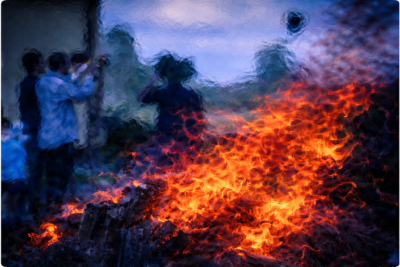
During times of elevated pollution, such as when fireworks, vehicle exhaust, and seasonal stubble burning combine, air quality can sharply worsen. This spike in pollution fills the air with tiny particles and harmful gases that irritate the eyes.
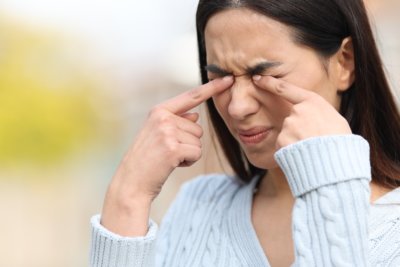
Many people notice burning, redness, watering, or blurred vision during these times. Understanding how pollution and eye irritation are linked helps you protect your eyes, reduce discomfort, and know when to seek medical help.

Understanding Pollution and Air Quality
What Happens to Air Quality During High-Pollution Days?
Studies show that levels of PM10, PM2.5, and suspended particulate matter rise dramatically during these times, often far above safe limits. Fireworks and other pollutants release sulphur dioxide, nitrogen oxides, carbon monoxide, and heavy metals, all of which can irritate the eyes and respiratory tract.
Research suggests that a significant share of PM10 during these days comes from aerosols. Prolonged exposure to this air pollution can aggravate existing eye problems and trigger new symptoms, especially in sensitive individuals.
Why Pollution Remains After Major Events
Pollution does not disappear once fireworks or events end. Cool, still air traps pollutants close to the ground, while traffic fumes and other sources add to the existing load.
As a result, smog can persist for days, sometimes longer, keeping particulate levels high. Even after major events, smoke and dust continue to irritate the eyes, nose, and throat, so it is important to stay cautious until air quality improves.
How Pollution Affects Your Eyes and Vision
Eye Irritation, Redness, and Dryness
Fine particles and toxic gases settle on the eye surface, disrupting the tear film. This leads to redness, itching, watering, burning, and a gritty sensation.
Low humidity during high-pollution periods can worsen dry eye symptoms, causing fluctuating or blurred vision. Many people report more eye irritation during these times than at other times of the year.
Increased Risk of Eye Infections and Allergies
Pollutants, allergens, and microorganisms in the air increase the risk of conjunctivitis and allergic eye disease. The eye’s natural defences become less effective when the surface is inflamed or dry.
Symptoms include a sticky or watery discharge, crusting around the lashes, swelling, and light sensitivity. Untreated infections can spread or persist, causing prolonged discomfort, so an eye specialist should evaluate persistent symptoms.
Impact on Contact Lens Wearers
Smoke, dust, and fine particles can become trapped beneath contact lenses, increasing the risk of irritation, dryness, and inflammation. During high-pollution days, switching to glasses is safer and more comfortable. The American Optometric Association advises strict contact-lens hygiene and stopping lens wear immediately if redness, pain, or discomfort develops.
Vulnerable Groups & Risk Factors
People with dry eye, allergies, asthma, autoimmune disease, or a history of eye surgery are more sensitive to pollution. Children and older adults tend to rub their eyes more and may not report symptoms clearly.
Contact lens wearers and outdoor workers are also at higher risk. These groups should take extra steps to protect their eyes during times of elevated pollution.
Protective Measures During High-Pollution Days
Avoid Outdoor Exposure & Use Protective Eyewear
Try to stay indoors during peak pollution hours, typically late evening to early morning. When you must go outside, wear sunglasses or wraparound goggles to shield your eyes from dust and smoke. An N95 mask helps reduce inhaled particles, indirectly benefiting eye comfort by lowering overall exposure.
Flush and Moisturize Your Eyes
After exposure to smoke or dust, gently rinse your eyes with clean, cool water to remove irritants. Preservative-free artificial tears can be used several times a day to lubricate the surface and relieve dryness. Hydrating creams or gels around the eyelids can support skin moisture and reduce irritation.
Practice Good Eye Hygiene
Avoid rubbing your eyes, even if they itch, as this can worsen inflammation and increase the risk of infection. Wash your hands frequently and use a clean cloth or cotton pad to wipe the eyelids if needed. During heavy pollution, minimize eye makeup and prefer glasses over contact lenses.
Maintain a Clean Indoor Environment
Keep windows and doors closed when outdoor air quality is poor. Use air purifiers if available, and clean surfaces regularly to prevent dust and residual particles from accumulating. Washing pillowcases and bed linen frequently also helps reduce irritants.
Nutrition and Hydration
Drink enough water throughout the day to support tear production. Eat fruits and vegetables rich in antioxidants and vitamins A and C, such as carrots, spinach, citrus fruits, and bell peppers. Omega-3 fatty acids from fish, flaxseeds, or walnuts can help reduce inflammation and support overall eye health.
Post-Pollution Eye Care and When to Seek Medical Help
Rest and Recovery
Give your eyes short, frequent breaks from digital screens, especially if they already feel tired or dry. Cool compresses placed gently over closed eyelids can reduce burning and swelling. Continue using artificial tears for a few days until the air quality improves.
Know When to See an Eye Specialist
Seek professional care if discomfort is severe, vision becomes blurred, light sensitivity is intense, or symptoms persist despite basic care. Sudden or worsening redness, thick discharge, or pain may indicate infection, corneal involvement, or other conditions that require prescription medicines. Early treatment helps prevent complications and long-term damage.
Conclusion – Protect Your Eyes During Times of High Pollution
Pollution and smog can be a serious concern for eye health. Increased levels of particulate matter and toxic gases can cause dryness, redness, infections, and blurred vision, especially among vulnerable groups.
By limiting outdoor exposure, using protective eyewear, rinsing and lubricating your eyes, and maintaining good hygiene, you can significantly reduce the impact of pollution on your vision. Celebrate responsibly, minimise exposure, and seek timely medical help when symptoms do not settle.