



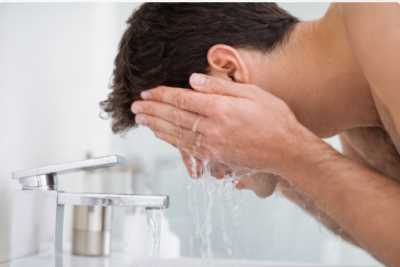
An eye wash is a simple but important first-aid step when your eyes are exposed to dust, smoke, chemicals, or other irritants. Washing the eyes helps remove harmful particles, soothes irritation, and reduces the risk of injury.
Many people misunderstand the meaning of eye wash, assuming it treats eye disease, when it is actually a cleaning and flushing measure. Knowing when and how to perform an eye wash safely, and what to avoid, protects your vision and prevents further damage.
Eye Wash Meaning: What Does Washing Your Eyes Actually Mean?
Eye wash refers to gently flushing the eye surface to remove foreign matter, chemicals, or irritants. It does not cure infections or eye diseases.
An eye wash cleans the eye and provides temporary relief from discomfort. It is helpful after dust exposure, smoke irritation, or chemical splashes, but it is not a replacement for medical treatment. If symptoms persist, professional eye care is required.
When Do You Need an Eye Wash? Common Situations Explained
An eye wash is often needed after exposure to environmental or workplace irritants. Recognising an eye wash sign helps you act quickly and prevent complications.
Eye Wash Sign You Should Not Ignore
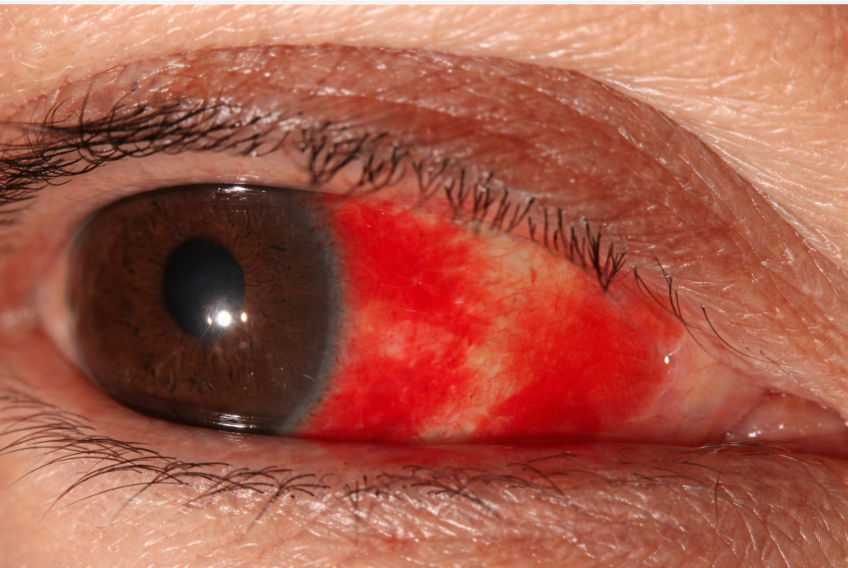
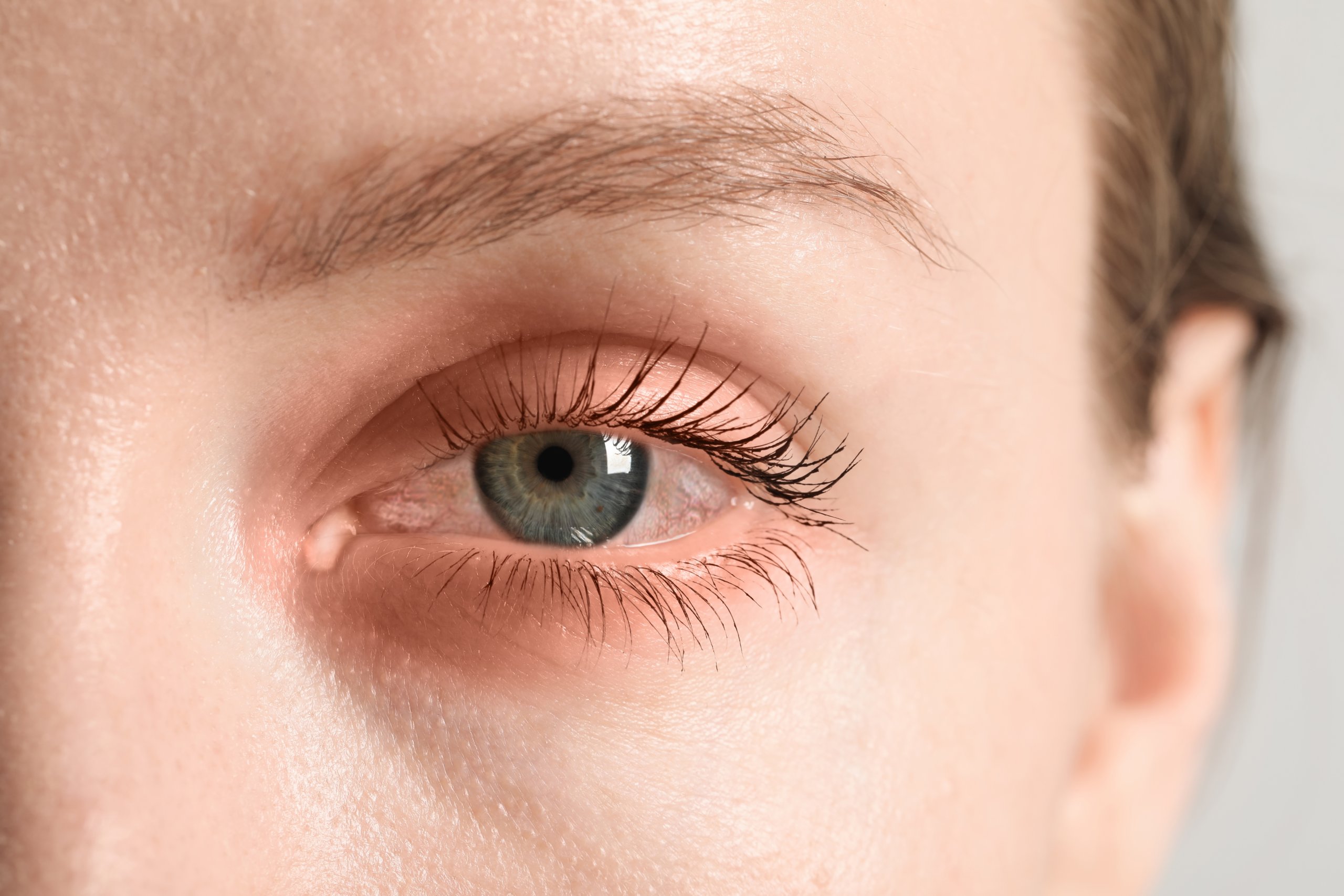
Common eye-wash signs include redness, burning, watering, itching, and a sensation of something stuck in the eye. Mild irritation after dust, pollen, smoke, or chemical exposure signals the need for immediate flushing. These signs guide first aid, not diagnosis.
Types of Eye Wash Solutions and When to Use Them
Choosing the correct eye wash solution is essential for safety and effectiveness.
Sterile Saline Eye Wash Solution
A sterile saline eye wash solution is the safest option for routine eye flushing. It closely matches natural tears and is suitable for dust, pollen, and mild irritants. It can be used regularly without damaging the eye surface.
Commercial Eye Wash Bottles and Cups
Pharmacy-available eye wash bottles and cups are designed for controlled flushing. They are useful for first aid and workplace safety. Always check expiry dates and follow instructions carefully.
Can You Use Water as an Eye Wash Solution?
Clean drinking water can act as an emergency eye wash solution if saline is unavailable. Tap water may be used briefly in urgent situations, especially for chemical exposure, but sterile solutions are preferred for routine care.
Eye Wash Drops vs Eye Wash Solution: Know the Difference
|
Feature |
Eye Wash Drops |
Eye Wash Solution |
|
Primary Use |
Lubricating or medicating to relieve dryness or inflammation. |
Flushing and cleaning the eye of foreign particles or irritants. |
|
Effectiveness |
Ineffective for rinsing out particles. |
Specifically designed for flushing and cleaning. |
|
Risk of Misuse |
Unnecessary use of medicated drops may worsen irritation. |
Using drops for flushing instead of a solution can delay proper care. |
Eye Wash Procedure: Step-by-Step Guide to Flush Your Eyes Safely
Following the correct eye wash procedure reduces the risk of injury.
How to Wash Eyes at Home Safely
To learn how to wash your eyes safely, start by washing your hands thoroughly. Use a sterile saline solution or clean water. Tilt your head to one side, gently pour the solution across the eye from the inner corner outward, and blink softly to help flush debris.
Eye Wash Procedure for Dust or Small Particles
For dust or small particles, allow a gentle flow of solution over the eye and avoid rubbing. Stop if pain increases or vision blurs. This eye wash procedure is intended for mild irritation only.
What NOT to Do While Washing Your Eyes
Never rub your eyes aggressively during an eye wash. Do not use homemade saline without medical guidance, and avoid using medicated eye wash drops without medical guidance. Traditional remedies such as rose water, herbal liquids, or milk are unsafe and may introduce infection or chemical injury.
Eye Wash for Chemical Exposure: What to Do Immediately
Chemical exposure is a medical emergency that requires instant action. Do not wait for pain or blurred vision to start before acting. Follow these critical steps immediately:
- Flush Immediately: Start an eye wash right away using a steady stream of clean water or sterile saline.
- Time is Critical: Continue flushing for at least 15–20 minutes without stopping.
- Keep the Eye Open: Use your fingers to hold your eyelids apart to ensure the solution reaches all parts of the eye surface.
- Remove Contact Lenses: If you are wearing contact lenses, remove them immediately, as they can trap chemicals on the cornea.
- Seek Emergency Care: Even if your eye feels better after flushing, you must see an eye doctor or go to the emergency room immediately to check for internal chemical damage.
When Should You See an Eye Doctor After an Eye Wash?
Consult an eye doctor if redness, pain, blurred vision, or light sensitivity persists after an eye wash. Chemical burns, trauma, or worsening symptoms require prompt professional evaluation. An eye wash procedure is first aid, not definitive treatment.
Conclusion: Eye Wash Is Helpful When Done the Right Way
An eye wash is a valuable first-aid measure when performed correctly. Understanding the meaning of eye wash, choosing the right eye wash solution, and following a safe eye wash procedure help protect your eyes. Remember that eye washing cleans the eye but does not treat disease, as persistent symptoms always need medical assessment.