



Our pupils naturally dilate and constrict in response to changes in light intensity, regulating how much light enters the eye. But when the pupils remain dilated even when they should constrict, this condition is known as mydriasis.
There are many possible causes of mydriasis, ranging from medications and recreational drugs to head injuries and neurological conditions. In some cases, it is harmless and temporary, while in others, it may signal a more serious problem.
Understanding Mydriasis: Definition and Normal Pupil Function
What Is Mydriasis?
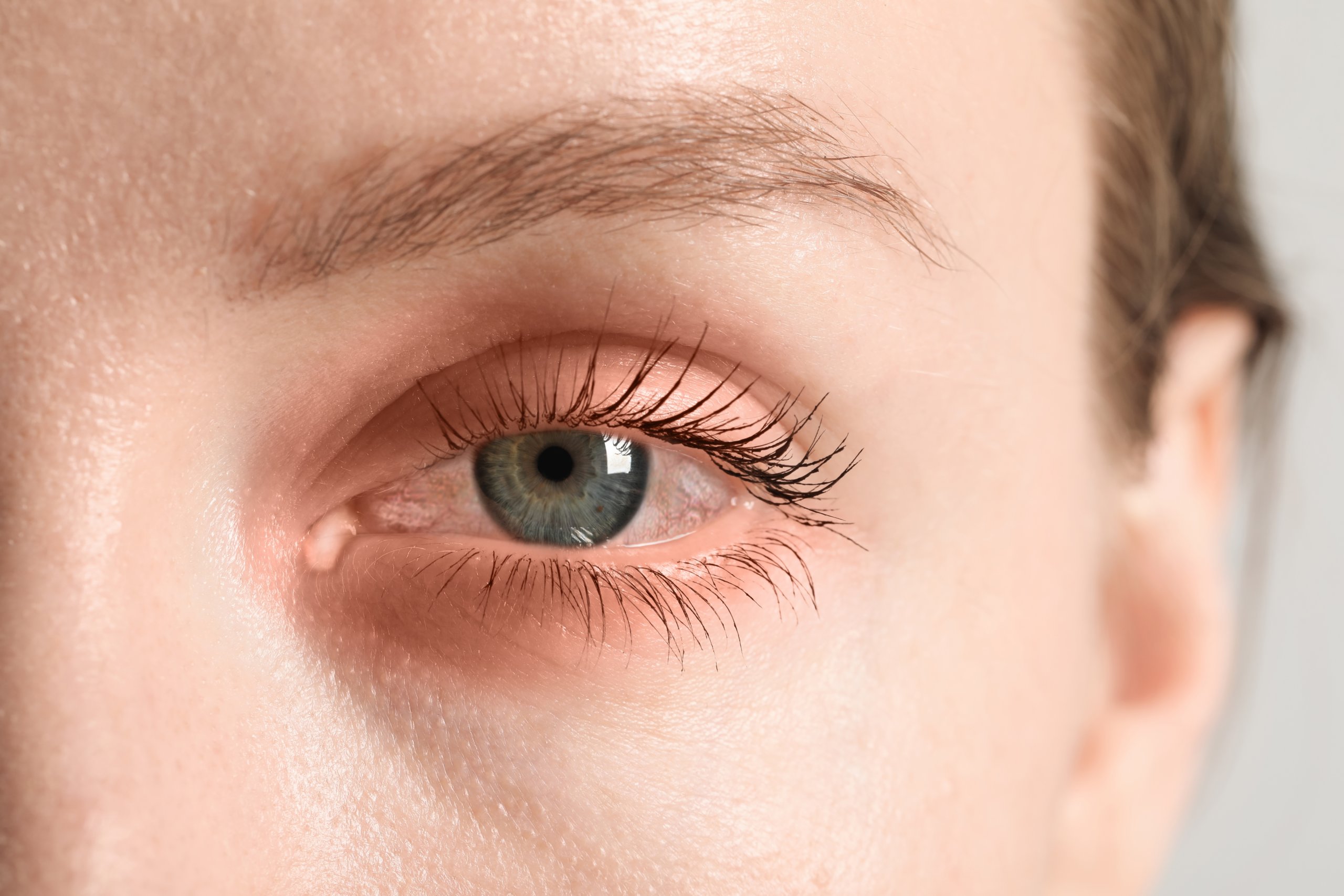
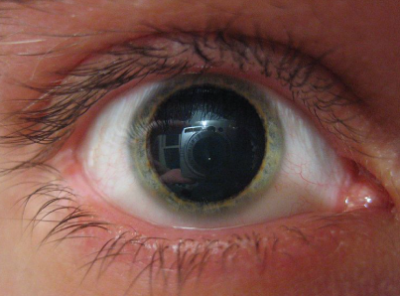
Mydriasis is an abnormally dilated pupil that does not respond appropriately to changes in light intensity. It is also described as sustained dilation of the pupil caused by disruption of the nerves or muscles controlling the iris.
Normal pupils measure around 2 to 4 millimetres in bright light and 4 to 8 millimetres in dim light. In mydriasis, the pupil may stay 4 to 8 millimetres even under bright lighting. Mydriasis is not a disease itself but a sign that something is affecting pupil control.
Causes of Mydriasis
Physiological and Hormonal Triggers
- Low-light exposure: Pupils naturally widen in dark environments to allow more light into the eye. This is normal and reverses in bright light.
- Emotional responses: Stress or fear stimulates the release of adrenaline, causing temporary pupil enlargement.
- Sexual arousal: Hormonal changes can briefly dilate pupils.
Medication and Drug-Induced Mydriasis
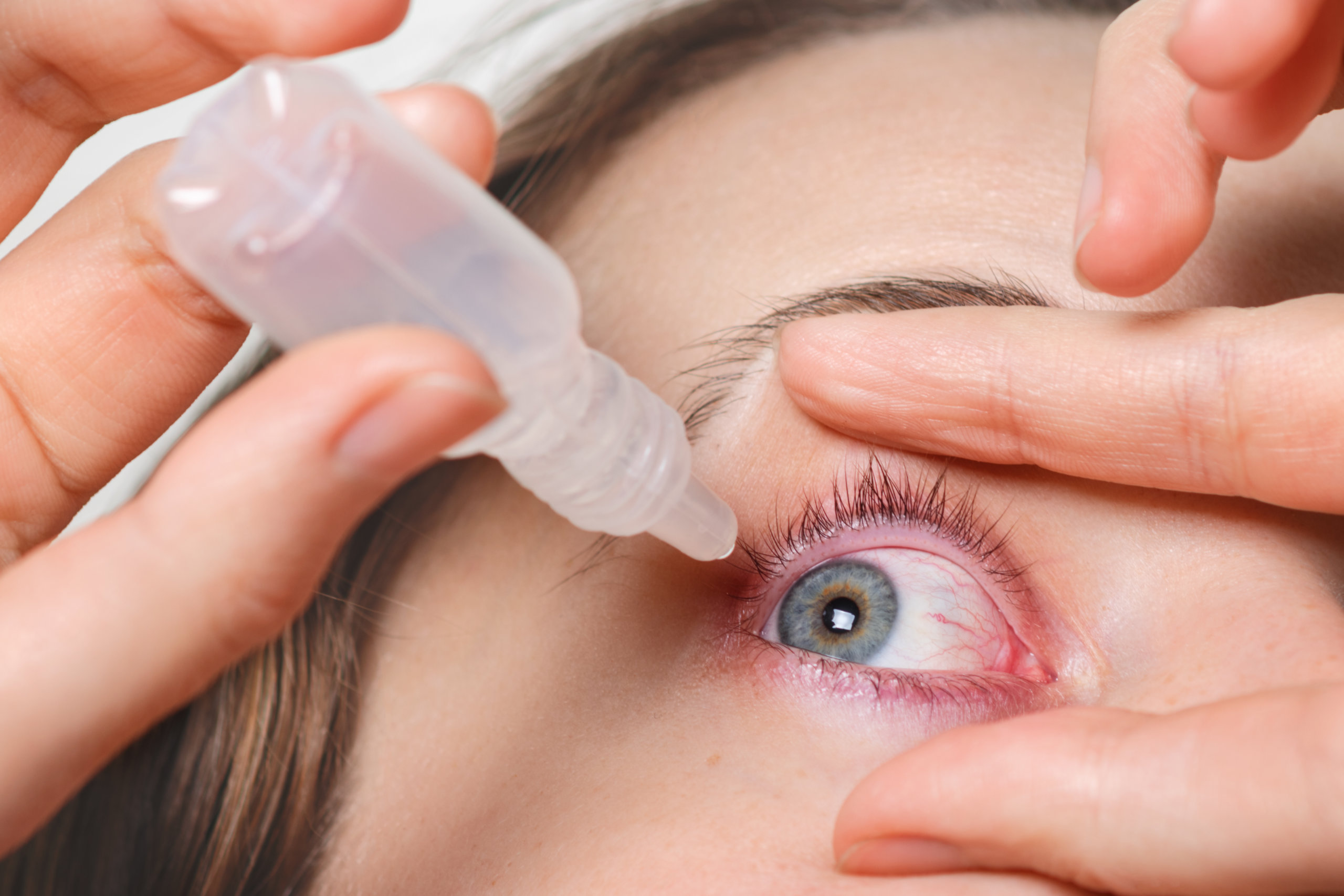
- Dilating drops during eye examinations: Medicines such as tropicamide or phenylephrine are intentionally used to dilate the pupil and examine the retina. Effects usually last 4 to 8 hours and may persist up to 24 hours.
- Prescription medications:
- Anticholinergic drugs block nerve signals responsible for pupil constriction.
- Antihistamines, antidepressants, decongestants, and some anti-seizure medicines may also cause dilation.
- Recreational drugs: Cocaine, ecstasy, LSD, and methamphetamines overstimulate the nervous system and commonly cause prolonged dilation.
- Toxic plant exposure: Substances such as belladonna or jimson weed may trigger pupil enlargement.
Neurological and Traumatic Causes
- Head or eye injuries: Trauma can damage nerves controlling the iris. A fixed dilated pupil after injury may signal serious brain damage.
- Brain conditions: Stroke, aneurysm, brain tumour, or raised intracranial pressure can impair cranial nerves and lead to one-sided dilation.
- Migraine-related dilation: Some migraine sufferers experience temporary enlargement of one pupil during attacks.
- Adie’s tonic pupil: A neurological condition where one pupil remains dilated and reacts poorly to light.
- Anisocoria: Unequal pupil sizes, which may be associated with underlying neurological issues.
Other Medical Conditions
- Eye disorders: Glaucoma, uveitis, or damage to the iris sphincter can interfere with normal pupil function.
- Post-Surgical Changes: Cataract surgery may occasionally alter pupil size or response.
- Systemic Diseases: Diabetes, high blood pressure, and thyroid disorders can affect nerve function and contribute to abnormal pupil dilation.
Symptoms and Signs of Mydriasis
Enlarged Pupils and Vision Changes
- The pupils appear abnormally large, often measuring 4-8 mm even in bright light.
- Increased light sensitivity makes it uncomfortable to look at bright surroundings.
- Glare while reading, driving, or using digital screens.
- Blurred vision due to excessive light entering the eye and overwhelming the retina.
Associated Symptoms
- Headaches or a sensation of pressure around the forehead and eye area.
- Dizziness or general visual discomfort.
- Eye irritation or pain, particularly in well-lit environments.
- Drooping eyelid or difficulty moving the eye if nerve involvement is present.
- Nausea, vertigo, confusion, or altered awareness are linked to neurological conditions.
One-Sided vs Bilateral Mydriasis
- Unilateral mydriasis (affecting one eye) is generally more concerning and may suggest nerve palsy, head injury, or increased intracranial pressure.
- Bilateral mydriasis (affecting both eyes) is more commonly associated with medications, recreational drugs, or systemic influences.
Risk Factors and Complications
Who Is at Risk?
- Individuals with a recent head or eye injury
- People exposed to dilating medications or frequent pupil-dilating drops
- Recreational drug users
- Patients with untreated glaucoma
- Those with pre-existing neurological disorders
- Individuals with systemic diseases such as:
- Diabetes
- Multiple sclerosis
Potential Complications
- Persistent headaches
- Glare and light sensitivity
- Visual discomfort or blurred vision
- Vision loss in severe neurological cases
- Life-threatening complications if linked to brain injury or raised intracranial pressure
Diagnosis and Tests for Mydriasis
Medical History and Physical Examination
Doctors begin by reviewing medication use, recent injuries and medical history. A pupil examination involves shining a light into each eye to observe response and symmetry.
Eye Exams and Imaging
Tests may include visual acuity measurement, ocular motility assessment, slit-lamp examination and ophthalmoscopy. If neurological causes are suspected, imaging such as CT or MRI scans may be required. Blood tests may help identify systemic conditions.
Treatment and Management of Mydriasis
Addressing the Underlying Cause
Stopping or adjusting medication under medical supervision often resolves drug-induced dilation. Treating systemic diseases such as thyroid disorders or diabetes may improve symptoms. Neurological emergencies such as an aneurysm or a tumour require urgent specialist management.
Symptom Management and Non-Surgical Measures
While addressing the primary cause, supportive measures can reduce discomfort:
- Wearing sunglasses or tinted lenses to minimise light sensitivity.
- Limiting exposure to bright environments.
- Avoid driving or prolonged reading until pupil function normalises.
- In selected cases, medications such as pilocarpine may be prescribed to reverse drug-induced dilation.
- Anti-inflammatory treatment, including steroid drops, may be required if inflammation is present.
Surgical Interventions and Emergency Care
When structural damage to the eye or serious neurological conditions are involved, surgical treatment may be required. Traumatic injuries to the iris may need repair. Brain-related causes, particularly those associated with raised intracranial pressure or bleeding, require immediate emergency care.
Follow-up and Monitoring
Regular follow-up appointments are important to ensure that the underlying condition has resolved and that pupil reactions return to normal. Monitoring also helps detect recurrence or complications early, ensuring long-term eye and neurological health.
Prevention and Care
Lifestyle and Environmental Precautions
Avoid recreational drugs and handle chemicals with care. Wear protective eyewear during risky activities.
Managing Medications and Health Conditions
Consult an eye doctor before using dilating drops if you have narrow angles or a history of glaucoma. Proper control of systemic illnesses reduces complications.
Regular Eye Exams and Monitoring
Routine eye examinations detect silent conditions early and ensure healthy pupil function.
When to See an Eye Doctor
Seek immediate medical attention if:
- Pupils remain dilated in bright light
- One pupil becomes larger than the other suddenly
- Dilation follows head trauma
- You experience severe headache, blurred vision, confusion or light sensitivity.
- You are at risk of angle-closure glaucoma and require dilating drops.
Conclusion
Mydriasis refers to sustained pupil dilation that does not respond normally to light. Understanding the meaning of mydriasis, recognising causes of mydriasis, and identifying warning signs are essential.
While some cases are temporary and harmless, others may signal serious neurological or systemic conditions. Early diagnosis, appropriate mydriasis treatment, eye protection, and regular examinations help maintain long-term eye health.