



A pinguecula is a common, benign eye condition that many adults experience, especially in hot, sunny or dry environments. It appears as a small yellowish patch on the white part of the eye and can cause irritation, redness or dryness. While it is not dangerous, understanding its symptoms, causes, and treatment options helps you manage discomfort and prevent progression.
What Is Pinguecula?
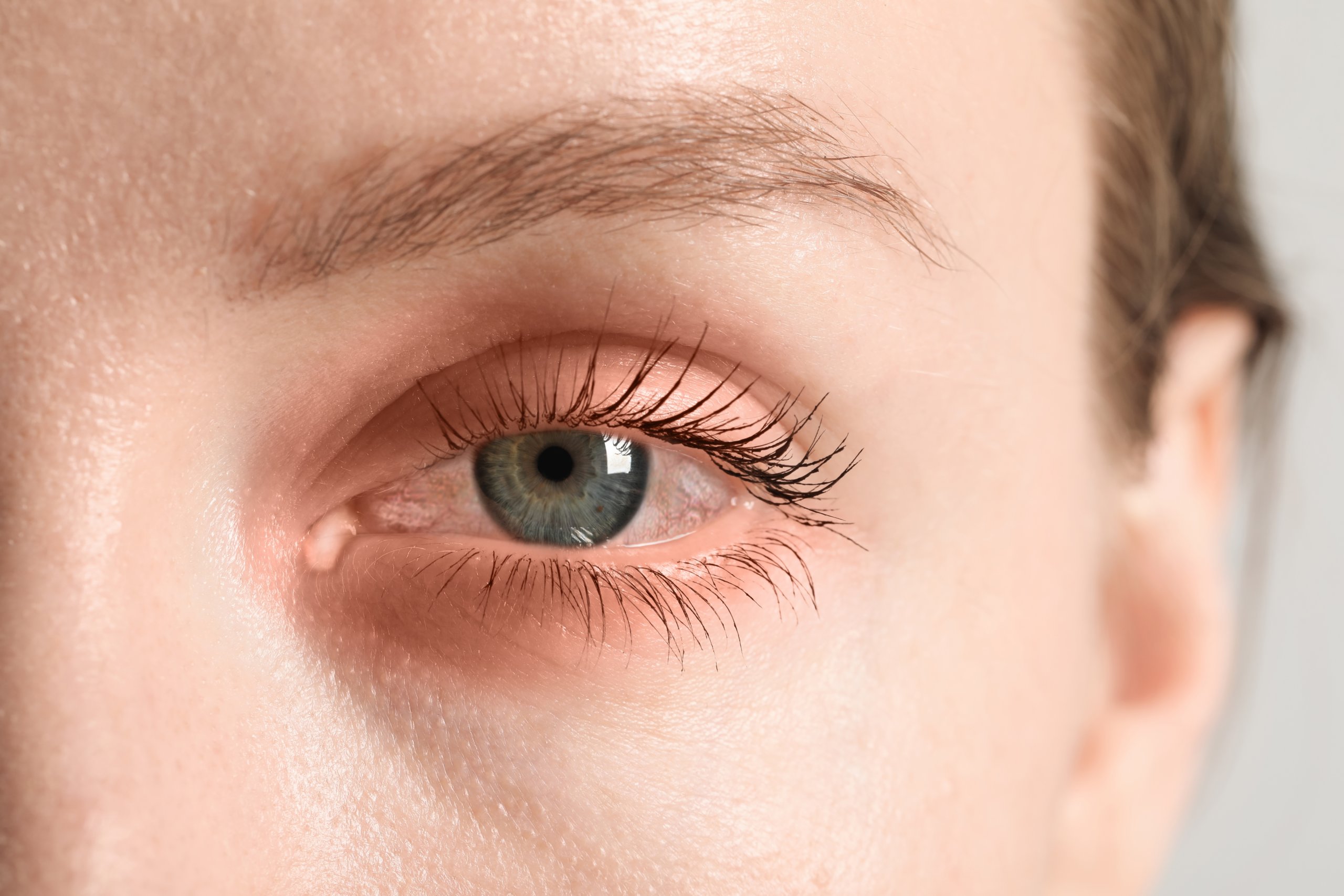
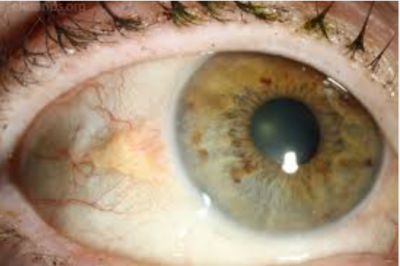
A pinguecula is a localised yellow spot on the eye, typically forming on the conjunctiva, the thin membrane covering the white part of the eye. It is composed of protein, calcium, or fat deposits that develop due to long-term exposure to ultraviolet (UV) light, wind, or dust.
Although noticeable, it does not grow over the cornea and usually remains harmless unless it becomes inflamed.
Common Symptoms and Causes of Pinguecula
Pinguecula Symptoms
Common pinguecula symptoms include:
- A visible yellow bump on the conjunctiva
- Redness around the affected area
- Eye irritation or a gritty sensation
- Dry or watery eyes
- Occasional swelling or inflammation
Pinguecula Causes
Pinguecula causes primarily include:
- UV light exposure
- Chronic dryness or irritation
- Dust, smoke and wind
- Ageing changes in the conjunctiva
- Prolonged outdoor work without eye protection
Difference Between Pterygium and Pinguecula
A pinguecula is often confused with a pterygium, but they differ significantly:
- A pinguecula is a small, yellowish deposit that does not grow onto the cornea.
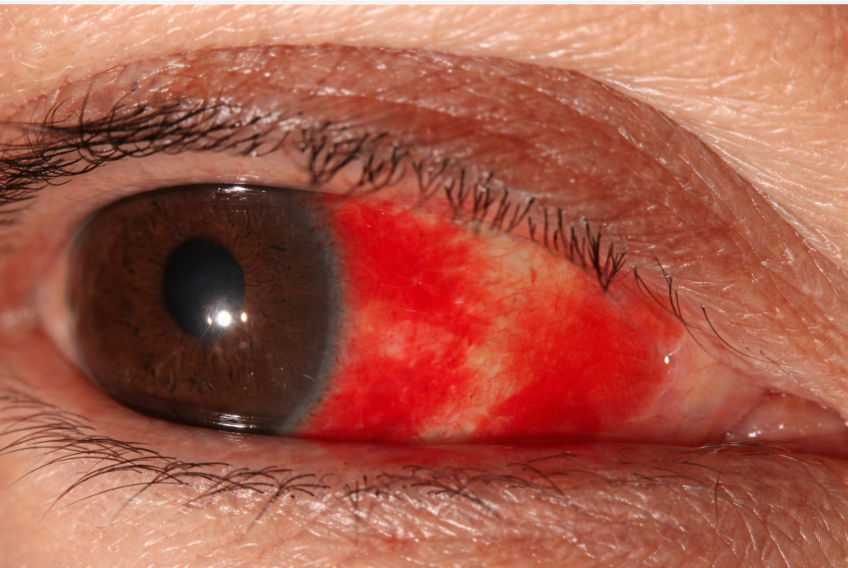
- A pterygium is a fleshy, triangular growth that can extend over the cornea and affect vision.
Understanding this distinction helps choose the appropriate treatment and monitor progression.
Diagnosis of Pinguecula
Diagnosis is straightforward. An ophthalmologist examines the eye with a slit-lamp microscope to assess the yellow spot and rule out other conditions.
Additional tests may be performed if the growth appears unusual or if there are signs of inflammation affecting surrounding tissues. Early identification ensures timely treatment for pinguecula if symptoms worsen.
How to Treat Pinguecula
When managing a pinguecula, treatment depends on the severity of symptoms.
Medical Treatment Options
Most cases require minimal medical intervention, but eye care professionals may prescribe:
- Lubricating drops to ease dryness
- Anti-inflammatory or steroid eye drops, if the pinguecula is inflamed
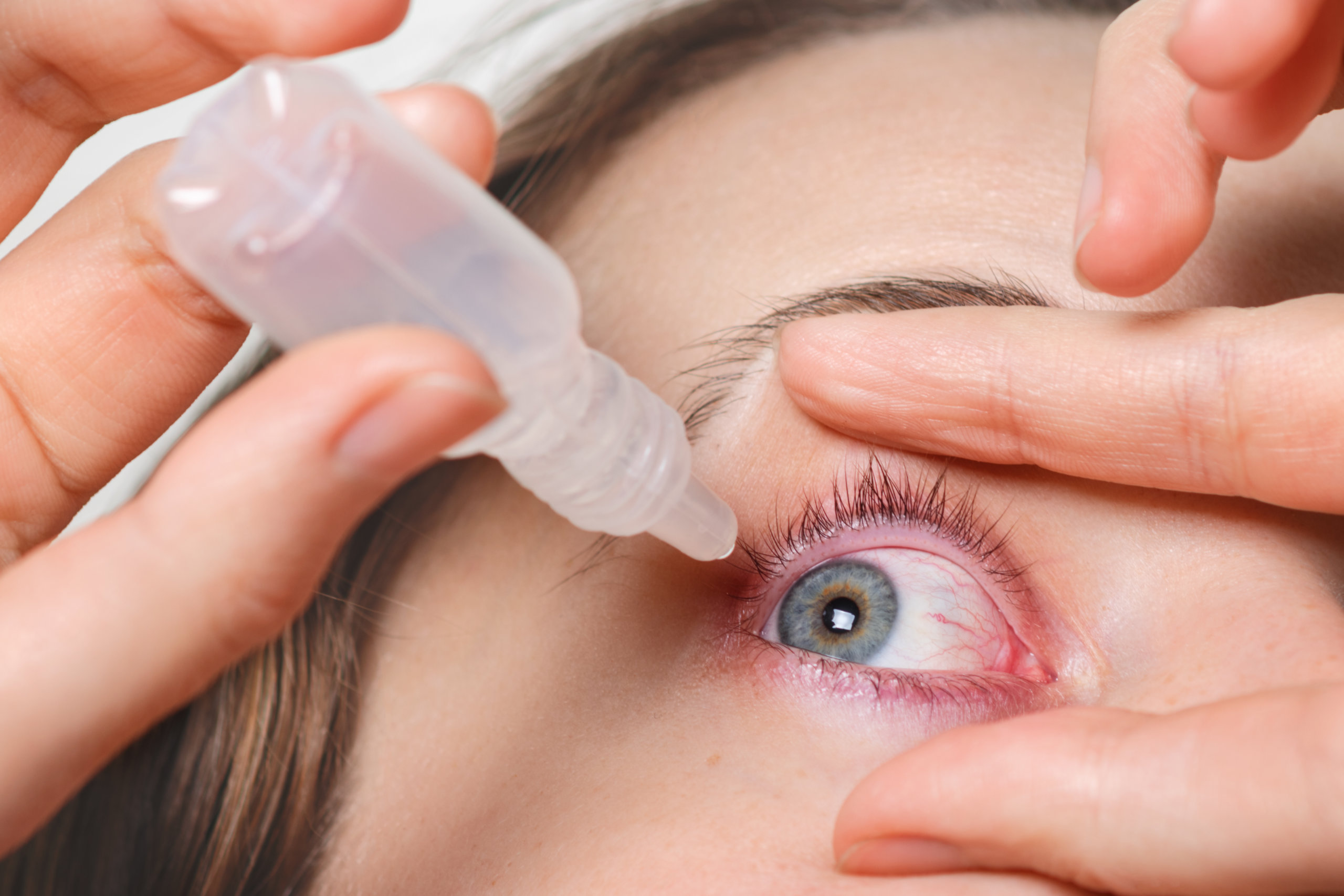
- Pinguecula eye drops formulated to reduce irritation
Surgical Treatment
Surgical removal is rarely needed but may be recommended when:
- The growth becomes cosmetically concerning
- The pinguecula is large
- Irritation persists despite medication
- It interferes with contact lens wear
Pinguecula Treatment at Home
Mild cases can often be managed with simple measures such as:
- Preservative-free lubricating eye drops
- Moisture chamber glasses in dry environments
- Warm compresses to ease irritation
- Adequate hydration to support tear production
Home Remedies For Pinguecula
If symptoms are mild, patients may try these self-care tips:
- Cold compress to soothe redness
- Frequent use of artificial tears
- Avoiding dusty or windy environments
- Limiting screen time if dryness worsens
- Wearing sunglasses outdoors
Preventive Measures for Pinguecula
Simple preventive steps can help reduce the risk of developing or worsening a pinguecula:
- Wear UV-protective sunglasses outdoors
- Use wide-brimmed hats in strong sunlight
- Apply sunblock around the eyes
- Avoid rubbing the eyes
- Use artificial tears in dry environments
- Reduce exposure to dust or smoke
When to See a Doctor for Pinguecula
Most cases of pinguecula are benign and do not require medical intervention beyond basic self-care and lubrication. However, it is essential to seek professional advice from an eye care specialist if symptoms worsen or if the pinguecula begins to interfere with your quality of life.
Specifically, a visit to an ophthalmologist is recommended if the redness or irritation persists, the yellow spot on the eye grows larger, or you experience dryness or discomfort that affects daily activities. Furthermore, if growth starts to interfere with vision or comfortable contact lens wear, a professional evaluation is necessary to discuss advanced treatment options.