



Shingles in the eye is a serious form of herpes zoster infection that occurs when the varicella-zoster virus, which causes chickenpox, reactivates later in life. After recovering from chickenpox, the virus remains dormant in nerve tissue.
When reactivated, it can affect the ophthalmic branch of the trigeminal nerve and involve the eyelids, conjunctiva, cornea, or other ocular structures. This can cause painful rash, swelling, and potentially significant vision problems if not treated promptly.
Introduction to Shingles in the Eye
Shingles that affect the eye are medically known as herpes zoster ophthalmicus. The condition begins when the dormant virus becomes active again and travels along the nerves supplying the face and eye.
Because of its location, the infection may affect both the skin around the eye and the eye’s internal structures. Recognising symptoms early helps prevent long-term complications.
What Causes Shingles in the Eye
The causes of shingles in the eye relate to reactivation of the varicella-zoster virus. It travels along the sensory nerves that supply the upper face. When it reaches the ophthalmic nerve, ocular involvement occurs. Reactivation is more likely in people with weakened immunity.
Common risk factors include:
- Age above 50
- Conditions that reduce immune function, such as HIV or cancer
- Immunosuppressive medications
- Stress or physical trauma
- Previous chickenpox infection
Shingles affects about one-third of adults at some point in their lifetime, and the likelihood increases with age.
Symptoms and Signs of Ocular Shingles
Early and General Symptoms
The early symptoms of shingles in the eye usually start with tingling, burning, or numbness on one side of the forehead. This may be followed by redness and discomfort before any rash appears. General symptoms may include headache, fever, fatigue, and chills.
Specific Eye-Related Symptoms
The symptoms of shingles in the eye often include:
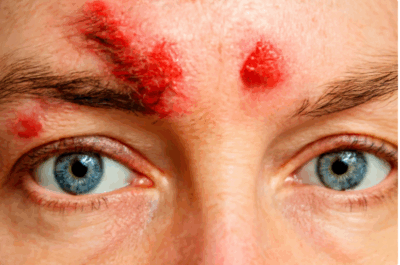
- Rash or blistering on the forehead, eyelids, or around one eye
- Rash on the tip of the nose (Hutchinson’s sign), which increases the likelihood of eye involvement
- Eye redness, tearing, and sensitivity to light
- Blurred vision
- Swelling of the eyelids
- Pain in or around the eye
- Keratitis (inflammation of the cornea)
- Difficulty moving the eye if nerve palsy develops
These ocular shingles symptoms indicate the need for urgent medical review.
Complications and Risks of Untreated Shingles in the Eye
The complications of shingles in the eye can be serious if treatment is delayed. They may include:
- Corneal scarring
- Chronic dry eye
- Glaucoma from raised eye pressure
- Cataract formation
- Double vision from nerve involvement
- Optic nerve damage
- Permanent vision loss
Another major complication is postherpetic neuralgia, a condition where nerve pain persists after the rash heals. It affects 10%-18% of people with shingles and is more common in older adults. Early treatment reduces the risk of such long-term effects.
Diagnosis and When to Seek Medical Attention
Anyone with shingles symptoms on the face or around the eye should seek urgent medical evaluation. Early diagnosis improves treatment outcomes and reduces the risk of vision-threatening complications.
The diagnosis of shingles in the eye is usually clinical. Eye specialists may perform:
- A general physical and skin examination
- Slit-lamp assessment to check for corneal or internal eye inflammation
- In some cases, blister fluid or blood testing to confirm the varicella-zoster virus
Knowing when to see a doctor for eye shingles is essential. Seek immediate care if you notice a rash on the forehead or nose, eye redness, blurred vision, or severe pain.
Treatment Options for Shingles in the Eye
Antiviral Therapy and Medications
The first and most important treatment is antiviral medication. Acyclovir, valacyclovir, or famciclovir should ideally be started within 72 hours of symptom onset.
Steroid tablets or steroid eye drops may be prescribed to reduce inflammation. Pain relief medicines may be required for acute pain or postherpetic neuralgia.
Supportive Care and Self-Help Measures
Supportive treatment helps relieve symptoms:
- Cool, moist compresses to reduce swelling
- Lubricating drops for dryness
- Antibacterial drops if bacterial infection is suspected
- Avoid touching or scratching the rash
- Protect the eyes from bright light
Recovery Time and Follow-up
The typical shingles recovery time for the skin rash is around 5 weeks, but eye symptoms may take longer. With early treatment, improvement usually begins within a few days. Full recovery varies between four and six weeks, depending on severity.
Regular follow-up care for ocular shingles is important to monitor for corneal issues or raised eye pressure.
Self-care, Lifestyle, and Prevention
Vaccination and Preventive Measures
The Shingrix vaccine significantly lowers the likelihood of shingles. Two doses provide over 90% protection for adults aged 50 and above, and for younger adults with weakened immunity.
Vaccination reduces the risk of severe infection but does not treat existing shingles.
General Prevention Tips
Maintaining immune health can lower the chance of viral reactivation:
- Manage stress
- Eat a balanced diet
- Exercise regularly
- Avoid scratching or touching the rash
- Keep the affected area clean and protected
Who Is at Risk or Should Consider Vaccination?
Those most at risk include:
- Adults over 50
- Individuals with weakened immune systems
- People undergoing chemotherapy or taking immunosuppressive medication
- Those with chronic illnesses
- Anyone who has had chickenpox
Understanding these risk factors for shingles in the eye helps guide prevention. People in high-risk groups should discuss the vaccine with their doctor.
Conclusion
Shingles in the eye is a serious condition caused by reactivation of the varicella-zoster virus. Early recognition and antiviral treatment are essential to prevent complications such as corneal scarring, cataracts, glaucoma, and permanent vision loss.
The Shingrix vaccine provides strong protection and is recommended for adults over 50 and for those with weakened immune systems. Anyone who suspects shingles affecting the eye should seek immediate medical attention.