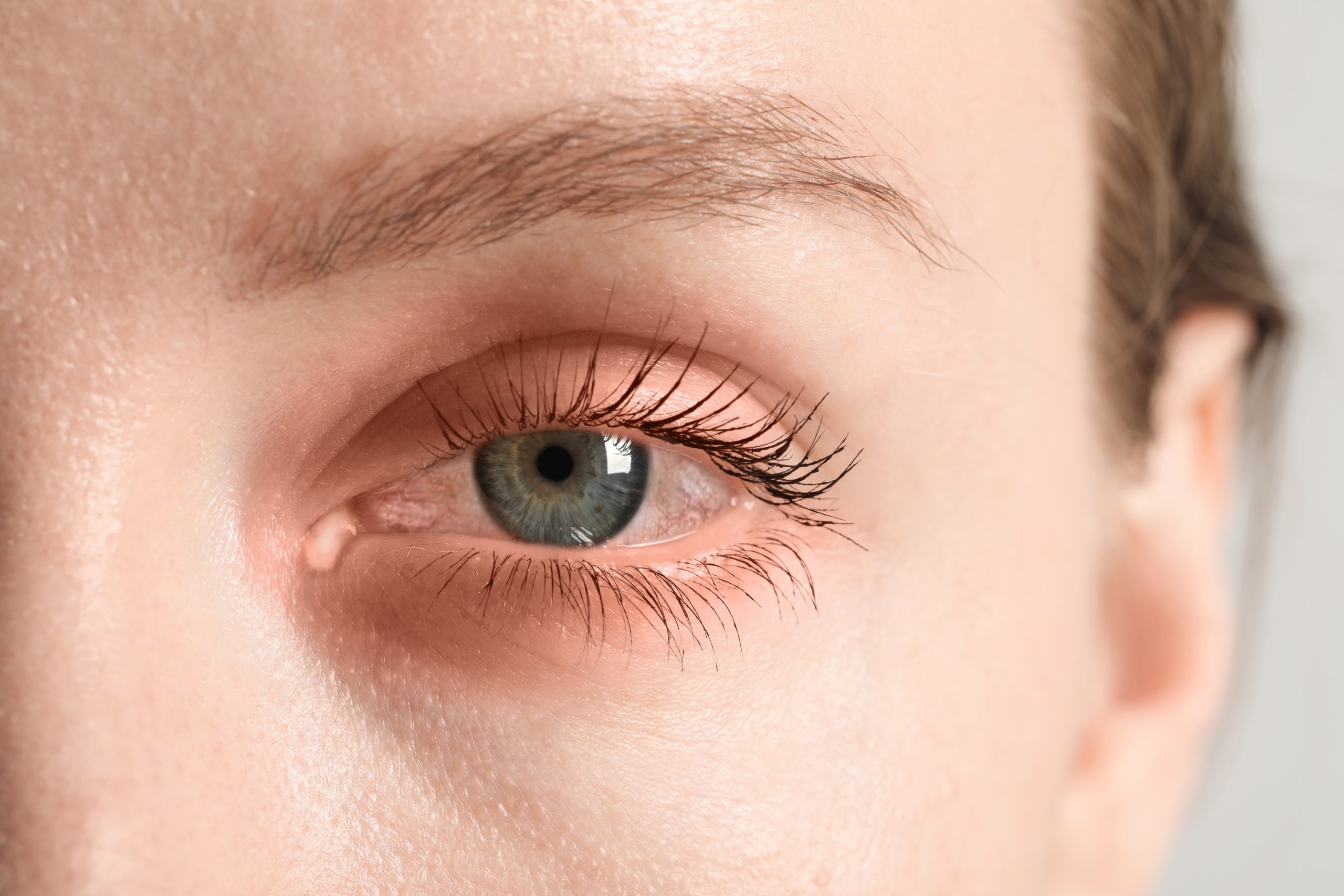




The human eye has several protective layers that work together to maintain clear, comfortable vision. One of these layers is the bulbar conjunctiva, a thin and transparent membrane that covers part of the eyeball. Although it is rarely noticed unless something goes wrong, this tissue plays an important role in protecting and lubricating the eye.
If you have ever wondered what the bulbar conjunctiva is, this guide explains it in simple terms. Understanding this small structure can help you recognise symptoms early and take better care of your eye health.
Understanding the Bulbar Conjunctiva
The bulbar conjunctiva is a thin, clear membrane that lies over the sclera, which is the white part of the eyeball. It also helps maintain moisture and contains specialised cells that produce mucus, which forms part of the tear film.
This tear film spreads across the eye when you blink and helps keep the eye smooth, lubricated, and comfortable. Because it forms a protective barrier, the bulbar conjunctiva also helps shield the eye from dust, allergens, and other environmental irritants.
Location and Structure of the Bulbar Conjunctiva
The bulbar conjunctiva covers the front portion of the sclera but stops at the edge where the sclera meets the cornea. The cornea, which is the clear, dome-shaped front part of the eye, does not have this membrane covering it.
The bulbar conjunctiva connects with another part of the conjunctiva called the palpebral conjunctiva. These 2 parts meet at a fold of tissue called the fornix, forming what doctors call the conjunctival sac.
This structure is important because it creates a continuous surface. As a result, objects such as contact lenses cannot slip behind the eyeball, which is a common concern for many people.
Anatomy of the Bulbar Conjunctiva
The bulbar conjunctiva is made of a delicate layer of cells that form a smooth surface over the eye. Within this layer are goblet cells, which produce mucus that contributes to the tear film. This tissue also has a rich network of tiny blood vessels.
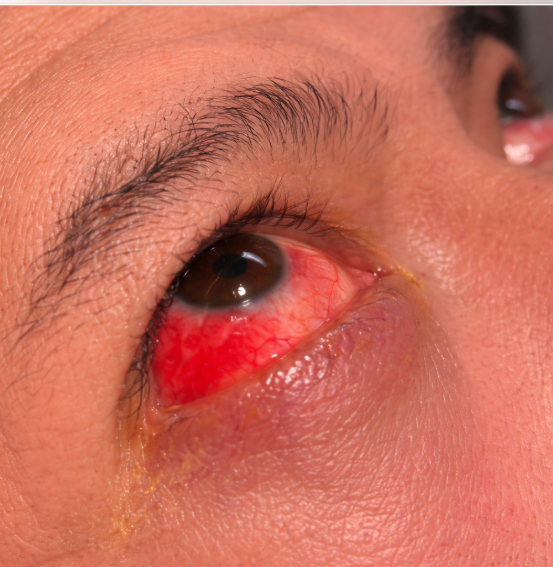
When the eye becomes irritated or inflamed, these vessels can expand and become more visible. This is why redness is often one of the first signs of eye irritation or infection. The blood supply also helps support healing and immune responses in the eye.
The bulbar conjunctiva is loosely connected to the sclera, allowing the eyeball to move freely when you look around. However, it becomes firmly attached at the edge where the sclera meets the cornea. This arrangement helps the eye move smoothly while still maintaining a protective surface.
Protective and Lubricating Roles
One of the main functions of the bulbar conjunctiva is lubrication. The mucus produced by its cells helps tears spread evenly across the eye. This keeps the eye moist and prevents dryness.
Common Conditions Affecting the Bulbar Conjunctiva
Bulbar Conjunctivitis (Inflammation)
Inflammation of the conjunctiva is known as conjunctivitis. When it affects the bulbar conjunctiva, symptoms may include redness, irritation, discharge, and swelling.
Conjunctivitis can occur for several reasons, including viral, bacterial, or allergic causes. Treatment is based on the underlying reason and may include lubricating drops, antihistamines, or medications prescribed by a doctor.
Conjunctival Growths
Several types of growths may appear on the bulbar conjunctiva of the eye.
- Conjunctival nevus: A benign mole-like growth that usually does not cause problems
- Pinguecula: A small yellowish deposit often linked to sun exposure or irritation
- Pterygium: A triangular tissue growth that can extend toward the cornea and sometimes affect vision
Although most of these growths are harmless, they should be monitored by an eye specialist. Rarely, a malignant condition known as conjunctival melanoma can develop, which requires urgent medical care.
Subconjunctival Haemorrhage and Conjunctivochalasis
A subconjunctival haemorrhage develops when a small blood vessel breaks under the conjunctiva, creating a bright red patch on the eye. It may look alarming, but it usually resolves on its own within a few weeks.
Another condition, called conjunctivochalasis, involves looseness or wrinkling of the conjunctiva. It is more common in older adults and may cause irritation or blurred vision.
Symptoms and Diagnosis of Bulbar Conjunctiva Problems
Certain symptoms may indicate a problem with the bulbar conjunctiva, including:
- Persistent redness or discolouration
- Itching or irritation
- Eye discharge
- Pain that does not improve
- Sensitivity to light
- Blurred or double vision
A new growth, dark spot, or unexplained swelling should always be evaluated by an ophthalmologist.
Diagnostic Methods
Eye specialists typically examine the bulbar conjunctiva using a slit lamp. This microscope allows them to examine the eye’s surface, blood vessels, and any visible abnormalities.
If a suspicious lesion is found, other tests, such as imaging or biopsy, may be recommended.
Treatment and Care for Bulbar Conjunctiva Conditions
Medical Treatments and Procedures
Treatment depends on the particular condition affecting the bulbar conjunctiva.
- Conjunctivitis may be treated with lubricating drops, antihistamines, or antibiotics.
- Pterygium or large pingueculae may require surgical removal if they affect vision.
- Conjunctival melanoma requires specialised cancer treatment.
- Subconjunctival haemorrhage usually heals on its own without treatment.
Preventive Care and Eye Hygiene
Maintaining good eye hygiene can help protect the bulbar conjunctiva. Simple steps you should follow are:
- Avoid rubbing your eyes.
- Wash your hands frequently.
- Clean contact lenses properly and regularly.
- Wear protective eyewear outdoors.
- Limit excessive sun exposure.
- Regular eye check-ups.
When to See a Doctor
You should consult an ophthalmologist if symptoms persist for several days, worsen over time, or involve severe pain or sudden vision changes.
It’s especially important to get checked early if you notice any unusual growths or swelling that doesn’t go away.
Conclusion: Caring for Your Bulbar Conjunctiva
Although it is a small and often overlooked structure, the bulbar conjunctiva plays a vital role in eye health. Understanding the importance of the bulbar conjunctiva and recognising potential symptoms can help you take better care of your eyes. Simple habits such as good hygiene, protecting the eyes from environmental irritants, and seeking timely medical advice can go a long way in maintaining healthy vision.