


If you have stepped outside recently and immediately felt a stinging, gritty sensation in your eyes, you are far from alone. Across the country, eye clinics are seeing a massive spike in patients dealing with redness, watering, and that unbearable urge to rub their eyes. We often blame the weather, but the reality is more specific: we are in the thick of dust and pollen season.
Understanding the various eye allergy causes is the first step toward finding relief. While these seasons are a natural part of the environment, our eyes are particularly sensitive to the microscopic particles that hitch a ride on every breeze.

Understanding Eye Allergies: What Causes Them?
An eye allergy, or allergic conjunctivitis, happens when the clear film covering your eye reacts to something it perceives as a threat. When you encounter eye allergy causes like dander, mould, or seasonal particles, your immune system releases histamine. This chemical is meant to protect you, but it results in the swelling and redness we all dread.
Seasonal factors are the primary drivers here. During specific months, plants release billions of microscopic grains into the air, and wind kicks up fine dust from the ground. Because your eyes are constantly exposed to the air, they are the first to suffer when these allergen levels skyrocket.
The Role of Pollen in Eye Allergies
For many, the biggest culprit is pollen allergy eyes. Pollen is a fine powder created by trees, grasses, and weeds. Because it is designed to travel through the air, it is nearly impossible to avoid.
When pollen lands on the moist surface of your eye, it dissolves and triggers an almost immediate reaction. This is particularly problematic for people with sensitive eyes or those who wear contact lenses, as the lenses can actually trap the pollen against the cornea, prolonging the irritation. In cities with low green cover but high wind, pollen can travel for miles, meaning you don’t even need to be near a park to feel the effects.
How Dust Contributes to Eye Allergy Symptoms
While pollen is seasonal, dust is a year-round resident that gets worse during dry, windy months. Dealing with dust allergy eye symptoms can be incredibly frustrating because dust isn’t just “dirt”, but a complex mix of skin cells, fabric fibres, and microscopic mites.
Common dust allergy eye symptoms include:
- A “Gritty” Sensation: Feeling like there is sand in your eyes that won’t wash out.
- Persistent Redness: The blood vessels on the white of the eye become inflamed.
- Dryness and Stinging: Dust can disrupt the natural tear film that keeps your eyes lubricated.
In urban areas, construction dust and road debris add an extra layer of chemical irritation to these organic allergens, making city dwellers especially prone to outbreaks.
The Connection Between Seasonal Changes and Eye Allergy Outbreaks
Your eyes often get worse during the change into spring or fall for a reason. These seasonal changes create the perfect conditions for allergies. In spring, trees and flowers bloom at the same time, making pollen counts very high. In the fall, weeds like ragweed become the main problem.
Furthermore, these transitions often bring higher wind speeds and lower humidity. Dry air makes the dust lighter and more likely to stay airborne, while the lack of rain means there is nothing to wash the air clean. This combination creates a high-concentration environment where your eyes are bombarded with irritants every time you step out.
What are the Symptoms of an Eye Allergy?
Recognising the signs early can help you start an itchy eyes allergy treatment before the inflammation gets out of control. Most eye allergies present with a classic trio of symptoms:
- Intense Itching: This is the hallmark of an allergy. If it doesn’t itch, it might be an infection instead.
- Watery Discharge: Your eyes produce excess tears to try to flush out the dust and pollen.
- Swollen Eyelids: The skin around the eyes is very thin and reacts quickly to histamine, often appearing puffy in the morning.
Pollen tends to cause more of the watery and itchy reaction, while dust often leads to more redness and burning. Regardless of the trigger, the result is the same: significant discomfort that interferes with your day.
Effective Treatments for Itchy Eyes Caused by Allergies
If you are struggling, finding the right itchy eyes allergy treatment is essential.
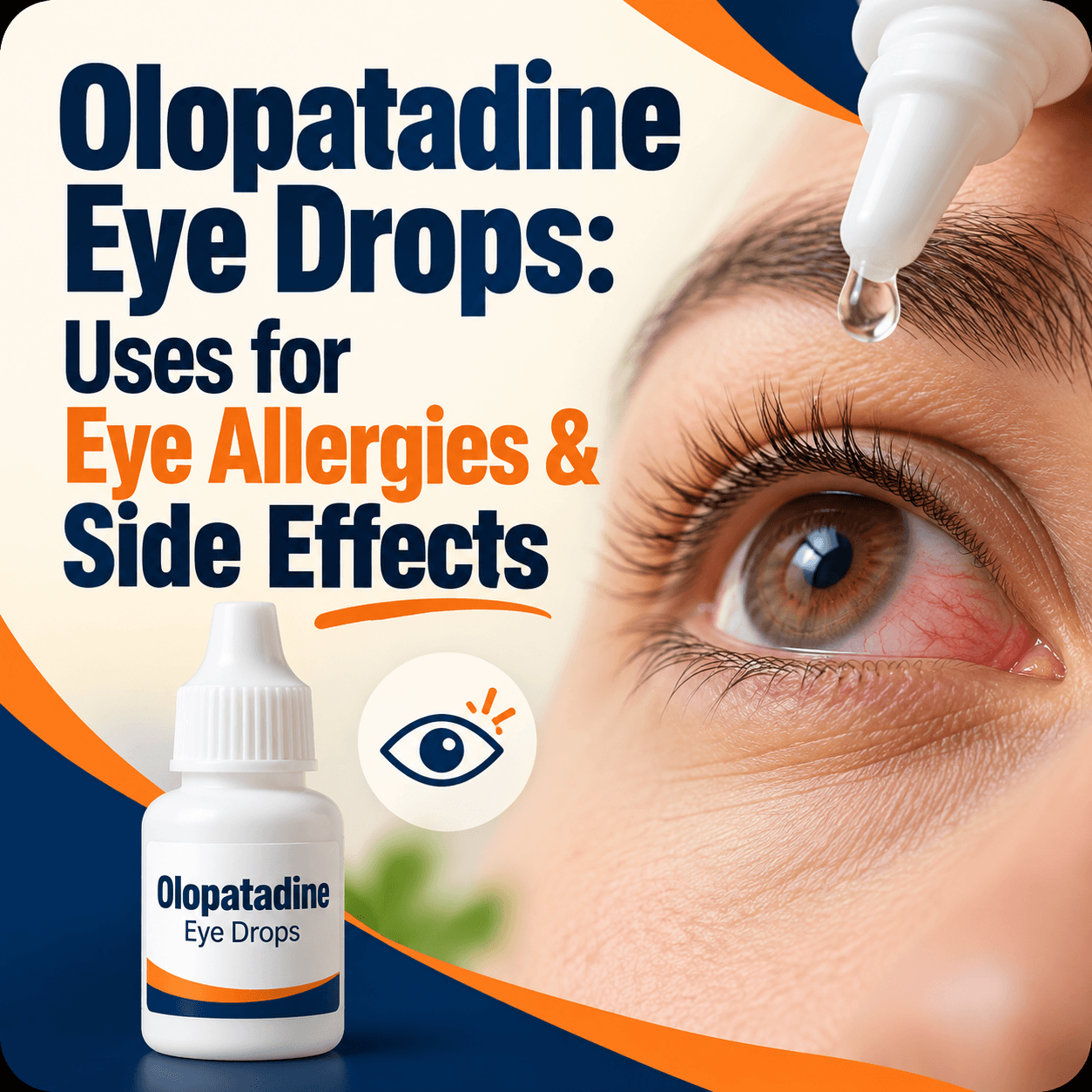
- Over-the-Counter (OTC) Drops: Antihistamine eye drops are the most common fix. They work by blocking the histamine receptors in the eye.
- Artificial Tears: These are preservative-free lubricating drops. They don’t contain medicine, but they physically wash the allergens out of your eyes and provide a soothing barrier.
- Cold Compresses: A simple, natural itchy eyes allergy treatment is applying a cold, damp cloth to your closed eyes for 10 minutes. The cold constricts the blood vessels and minimises swelling.
- Oral Antihistamines: While these help with sneezing and runny noses, be careful, some oral allergy meds can actually dry out your eyes, making the irritation feel worse.
How to Manage Eye Allergies During Dust and Pollen Season
Prevention is your best defence. You can’t change the weather, but you can change how much of it reaches your eyes.
- Wear Sunglasses: Large, wrap-around sunglasses act as a physical shield against wind-blown dust and pollen.
- Monitor Pollen Counts: Check local weather apps. On high-pollen days, try to stay indoors during the mid-morning and early evening when counts are highest.
- Keep Windows Closed: It’s tempting to let in the fresh air, but you’re also letting in billions of allergens. Use an air conditioner with a clean filter instead.
- The Post-Outdoors Routine: After coming home, wash your face and hands immediately. If it’s been a particularly windy day, a quick shower can remove pollen trapped in your hair that would otherwise end up on your pillow.
Conclusion:
Managing seasonal allergies is much easier when you stop the irritation before it starts. Wearing sunglasses and using lubricating drops prior to outdoor exposure creates a physical and liquid shield that prevents dust and pollen from ever reaching the eye’s surface.
This preemptive care is your best defence against the cycle of itching and redness that defines a full-blown flare-up. Just remember that if your eyes do not respond to these basic home remedies, a visit to an eye doctor is necessary to confirm that your symptoms are truly allergic and not something more serious.