




An eye bank is a specialised medical facility that collects, evaluates, preserves and distributes donated eye tissue for transplantation and research. In simple terms, an eye bank is an organised system that enables and safeguards eye donation.
Understanding what an eye bank is and its importance in eye donation helps people understand how donated corneas restore sight in people with corneal blindness. By ensuring quality control, ethical standards and proper screening, an eye bank plays a vital role in modern eye care and vision restoration.
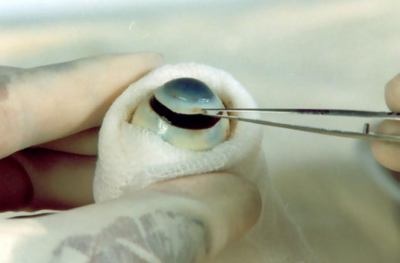
Eye Banking Definition Explained in Simple Terms
Let us understand the eye banking definition in simple terms. Eye banking refers to the organised process of receiving donated eyes, examining the tissue, preserving it under strict medical conditions and supplying suitable corneas for transplantation.
Though used interchangeably, eye banking and eye donation differ widely. Eye donation is the act of pledging or consenting to donate eyes after death. Eye banking, however, is the structured medical system that manages the donation.
Eye banks work behind the scenes through trained professionals, laboratory testing and regulated storage methods. They follow established medical standards to ensure safety, prevent infection and maintain tissue quality. Clear regulation and ethical guidelines are essential to protect both donor families and recipients.
What Is an Eye Bank and How Does It Work?
To understand what an eye bank is, it helps to see how it functions in practice. An eye bank acts as a bridge between donors and patients who require corneal transplantation. When a person consents to eye donation, the eye bank coordinates the retrieval, evaluation and distribution of corneal tissue.
The cornea is the transparent front part of the eye that allows light to enter the eye. If damaged by infection, trauma or disease, vision becomes impaired. The eye bank ensures that only medically suitable corneal tissue is provided to surgeons. This process involves careful documentation, laboratory screening, grading and preservation before transplantation.
How an Eye Bank Operates After Eye Donation
Once eye donation consent is obtained from the family members, trained technicians retrieve the donated eyes or corneal tissue within a specified time frame. The tissue is transported to the eye bank laboratory under sterile conditions.
Medical screening, including infectious disease testing and tissue evaluation, is performed. Suitable corneas are then preserved in approved storage media until they are allocated to hospitals for transplant surgery.
Objectives of Eye Banking in Modern Eye Care
The primary objectives of eye banking focus on restoring sight and preventing avoidable blindness. Eye banks aim to support corneal transplantation by ensuring a steady, safe, and high-quality supply of donor tissue. Another objective is to promote ethical, voluntary eye donation through public awareness.
Eye banks also support training programmes for surgeons and technicians. In addition, they contribute to research in corneal preservation and transplantation techniques. By maintaining transparency and strict medical standards, the objectives of eye banking extend beyond just tissue storage to strengthening the entire system of corneal care.
Function of Eye Bank in Preventing Corneal Blindness
The fundamental function of eye bank operations is to reduce corneal blindness. Corneal disease is a leading cause of visual impairment worldwide. Without properly preserved donor tissue, corneal transplantation would not be possible.
Eye banks maintain waiting lists, match donor tissue to recipients and coordinate with ophthalmic surgeons. By preserving corneas in approved media for limited durations, they ensure tissue remains viable until surgery. The eye bank function also includes maintaining traceability records and compliance with safety standards.
Medical and Social Functions of an Eye Bank
- Tissue evaluation: Careful medical screening and microscopic assessment ensure donated corneas are safe and suitable for transplantation.
- Cornea storage: Preserving corneal tissue in regulated media maintains viability until surgery.
- Supply to hospitals: Coordinated distribution supports timely corneal transplants.
- Awareness programmes: Community education promotes voluntary eye donation.
- Counselling donor families: Providing guidance and emotional support during the donation process.
What Do Eye Bankers Do? Roles and Responsibilities Explained
Who Are Eye Bankers and What Is Their Role?
Professionals working in an eye bank are often referred to as eye bankers. Their work combines medical skill, laboratory precision and sensitive communication. They ensure that donated tissue is handled respectfully and safely from retrieval to transplantation.
Eye bankers coordinate with hospitals, maintain documentation, oversee storage conditions and ensure adherence to ethical guidelines. They coordinate donor consent, manage transport logistics and maintain compliance with medical regulations. Their role ensures that the entire process from donation to transplant remains safe, transparent and respectful.
They counsel donor families during difficult times, maintaining professionalism and empathy throughout. They also educate communities about eye donation and address misconceptions. Their responsibilities demand both technical competence and compassion.
How Eye Banks Ensure Safety and Quality of Donated Eyes
Safety is central to eye banking. Every donated cornea undergoes medical history review and laboratory testing for infectious diseases. Tissue is examined under microscopes to assess endothelial cell count and structural clarity. Only corneas that meet established medical criteria are approved for transplantation.
Sterile handling procedures reduce infection risk. Temperature-controlled storage systems preserve tissue viability. Documentation ensures traceability from donor to recipient. Through these protocols, an eye bank maintains high safety and quality standards, protecting transplant recipients and maintaining public trust.
Why Eye Banks Matter for Patients and Society
For patients awaiting corneal transplantation, the presence of an efficient eye bank can mean the difference between blindness and restored sight. Timely access to high-quality donor tissue improves surgical outcomes and reduces waiting times.
At a societal level, eye banks promote voluntary donation and awareness about corneal blindness. They encourage responsible medical practices and build trust in transplantation systems. By restoring vision, eye banks contribute to improved quality of life, productivity and independence for affected individuals.
Conclusion: Why Understanding Eye Banks Encourages Eye Donation
An eye bank is far more than a storage facility. It is a structured medical system that transforms voluntary eye donation into sight restoration. The objectives of eye banking include preventing corneal blindness, ensuring safe tissue handling and promoting ethical awareness.
Understanding how an eye bank works encourages informed discussions about eye donation. Greater awareness supports responsible participation in eye donation programmes and strengthens community engagement in vision care.