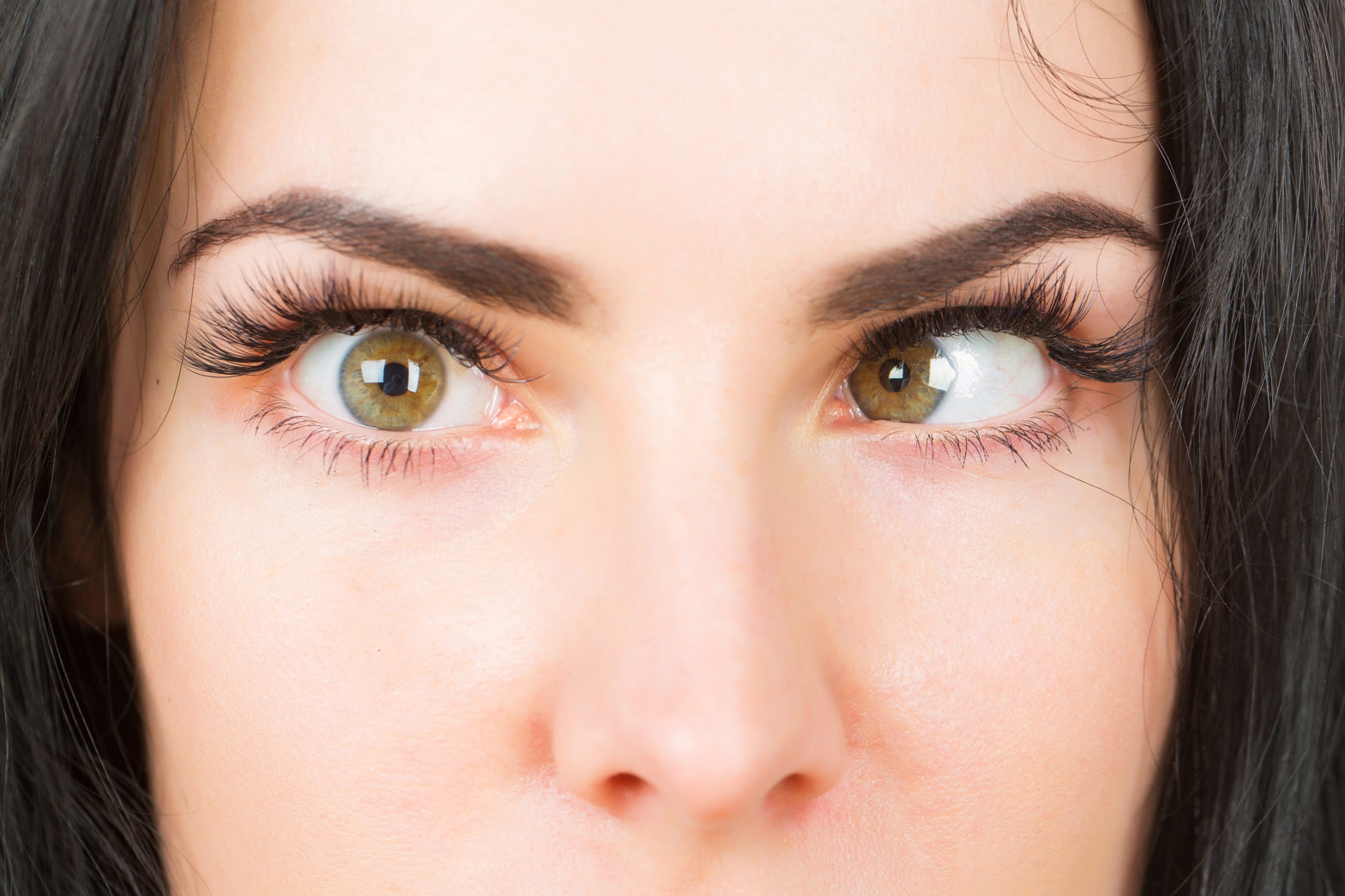
What is Divergent Squint?
Divergent squint, also known as exotropia, is a situation in which one or both eyes deviate to the outside rather than focusing on an object in front of them. The definition of divergent squint describes it as a form of ocular misalignment that leads to improper cooperation between the eyes.
In some cases, the eyes will deviate from their straight positions only occasionally. This happens mostly in cases where individuals get tired or distracted. On the other hand, it may be consistent in other situations. In children, it might even alternate from one eye to another, where either eye could be out of position.
What are the Causes of Divergent Squint
Understanding the causes of divergent squint helps in recognising why it develops. The condition is not always due to a single reason, as multiple factors are involved.
One of the main causes of eye misalignment is a problem with the brain’s control of the eye muscles. For clear, single vision, both eyes must move together in perfect coordination. When this coordination is disrupted, one eye may drift outward.
Some common answers to what causes divergent squint include:
- Genetic Factors: This condition can be hereditary and often runs in families.
- Refractive Errors: Uncorrected vision issues, such as myopia.
- Convergence Insufficiency: This occurs when there is difficulty focusing both eyes together on near objects.
- Neuromuscular Imbalance: Weakness or imbalance in the eye muscles.
- Childhood Conditions: Congenital squints may be present from birth.
- Eye Conditions: Underlying health issues like cataracts or media opacity.
- Trauma or Neurological Issues: Injuries or nerve-related conditions can disrupt the coordination between the brain and the eyes.
In many children, the condition may not have a clear cause and is simply related to the development of their visual system.
Convergent Squint
What is Convergent Squint? Also known as esotropia, this occurs when one eye turns inward...
Paralytic Squint
What is Paralytic squint? This occurs when one or more eye muscles are paralyzed, leading...
Common Symptoms of Divergent Squint
Recognising divergent squint symptoms early can make a big difference, especially in children.
Here are some symptoms to help you understand how to identify divergent squint:
- Outward Eye Deviation: One or both eyes may turn outward, which can be present on and off (intermittent) or at all times (constant).
- Alternating Squint: In some cases, the misalignment can occur in both eyes alternately.
- Fatigue-Related Noticeability: The squint often becomes more obvious or noticeable when the patient (particularly a child) is tired or daydreaming.
- Double Vision: This symptom is frequently present in cases of sudden-onset squint.
- Blurred Vision: Patients may experience blurred vision.
- Difficulty Focusing: There is often a struggle to focus the eyes properly on specific objects.
- Light Sensitivity: A common sign is the closing of one eye when exposed to bright light.
- Physical Strain: Patients may suffer from frequent eye strain or headaches due to the eyes not working together properly.
How is Divergent Squint Diagnosed?
For diagnosing divergent squint, an ophthalmologist needs to perform a thorough eye exam.
An eye exam for divergent squint usually includes:
- Visual acuity testing: To see how clearly a person can see.
- Cycloplegic refraction: To find vision problems that need glasses.
- Dilated fundus examination: To assess the retinal eye health.
- Extraocular movement testing: To see how well the eye muscles work.
Specialised divergent squint tests include:
- Cover test: Detects misalignment by covering one eye at a time
- Hirschberg test: Uses light reflection to assess alignment
- Prism tests: Measure the degree of deviation
- Accommodation and patch tests: Evaluate focusing ability and control
If you see any outward turning of the eye or other symptoms, it is best to see an eye specialist as soon as possible.
Treatment Options for Divergent Squint
There are several approaches to divergent squint treatment, depending on the cause and severity.
Non-Surgical Treatments for Divergent Squint
Non-surgical options are often the first step in treatment for divergent squint, especially in mild or early cases:
- Corrective glasses: Address refractive errors
- Patching (occlusion therapy): Makes the weaker eye stronger
- Eye exercises: Improve coordination and focusing
- Prism lenses: Help align vision and decrease double vision
These treatments are especially effective in children when started early.
Surgical Treatment for Divergent Squint
When non-surgical methods are not enough, surgery may be recommended. But how to treat divergent squint surgically?
The procedure involves adjusting the eye muscles, either strengthening or weakening specific muscles, to improve alignment. This helps both eyes work together more effectively.
Surgery is also required in cases linked to cataracts or other structural issues.
How to Manage Divergent Squint in Children and Adults
Managing the condition varies depending on age and severity.
Divergent Squint Treatment in Children
Early diagnosis is key as children respond well to treatment because their visual system is still developing. Timely use of glasses, patching, or exercises can prevent long-term vision problems.
Additionally, managing squint in children early leads to better long-term outcomes compared to delayed treatment.
Adult Divergent Squint
In adults, the condition may cause more noticeable symptoms like double vision. Treatment may include glasses, prisms, or surgery, depending on the case.
Preventing Divergent Squint: Can it Be Avoided?
When it comes to preventing divergent squint, not all cases can be avoided, especially if they are genetic or congenital. However, some steps can help reduce the risk:
- Regular eye check-ups
- Early correction of refractive errors
- Managing underlying eye conditions
- Encouraging good visual habits in children
Vision therapy can also help strengthen eye coordination and prevent misalignment from worsening. Understanding how to prevent eye misalignment often comes down to early detection and consistent care.
Living with Divergent Squint: What to Expect
Living with divergent squint can be challenging, but most people adjust well with the right support. Divergent squint affects daily life through physical and emotional hurdles:
- Daily Activities: Double vision and changes in the field of vision can interfere with routine tasks and depth perception.
- Academic & Professional Impact: Misalignment may hinder academic performance in children and productivity in work environments.
- Social & Emotional Challenges: Children may face social stigma or a lack of confidence among peers, potentially leading to emotional distress.
Tips for Coping With Divergent Squint
To manage the condition in social and work settings, consider these strategies:
- Integrated Care: Combine medical treatment for the underlying cause with vision therapy and professional counseling.
- Consistent Treatment: Strictly follow prescribed plans, including the use of corrective lenses and regular follow-up exams.
- Open Communication: Seek support groups or counseling if the condition impacts self-esteem or social interactions.
Conclusion
Divergent squint, or exotropia, affects both children and adults, appearing in various forms with diverse causes. Because symptoms and origins, like genetics or muscle imbalance, vary so widely, a detailed evaluation is essential.
Fortunately, highly effective treatment options exist. Whether your case requires conservative approaches like glasses and exercises or surgical muscle correction, help is available. Consult an ophthalmologist to determine the best clinical path forward for restoring alignment and visual function.
Frequently Asked Questions (FAQs) about Divergent Squint
Is divergent squint the same as strabismus?
Strabismus is a generic term for eye misalignment. Divergent squint is a kind of strabismus where the eye turns outward.
Can divergent squint occur in both eyes?
Yes, divergent squint can alternate between both eyes or affect one eye at a time.
Is divergent squint hereditary?
Yes, genetic factors play a role, and the condition often runs in families.
What is the role of eye muscles in divergent squint?
Eye muscles are responsible for movement and coordination. An imbalance or weakness in these muscles causes the eyes to lose alignment
Can glasses correct divergent squint?
Glasses can effectively treat squints caused by refractive errors, though some cases may still require exercises or surgery.
Is divergent squint the same as exotropia?
Yes, exotropia is the formal medical name for a divergent squint.
This information is for general awareness only and cannot be construed as medical advice. Recovery Timelines, specialist availability, and treatment prices may vary. Please consult our specialists or visit your nearest branch for more details.Insurance coverage and associated costs may vary depending on the treatment and the specific inclusions under your policy. Please visit the insurance desk at your nearest branch for detailed information.
Do not ignore eye trouble!
Now you can reach our senior doctors by booking an online video consultation or a hospital appointment
Book an appointment nowRead more about Squint