




Eye bags, or mild puffiness or swelling that appears just below the lower eyelids are one of the most common cosmetic eye concerns people notice as they get older. The good news is that eye bags are usually harmless, and in many cases they can be improved with simple lifestyle changes, while more stubborn cases respond well to medical and cosmetic treatments. This guide explains what causes eye bags, how to get rid of them, and how to prevent them, drawing on an eye-care perspective.
If you have been searching for what causes puffy eyes and the best way to treat bags under eyes, here is a clear, medically grounded overview.
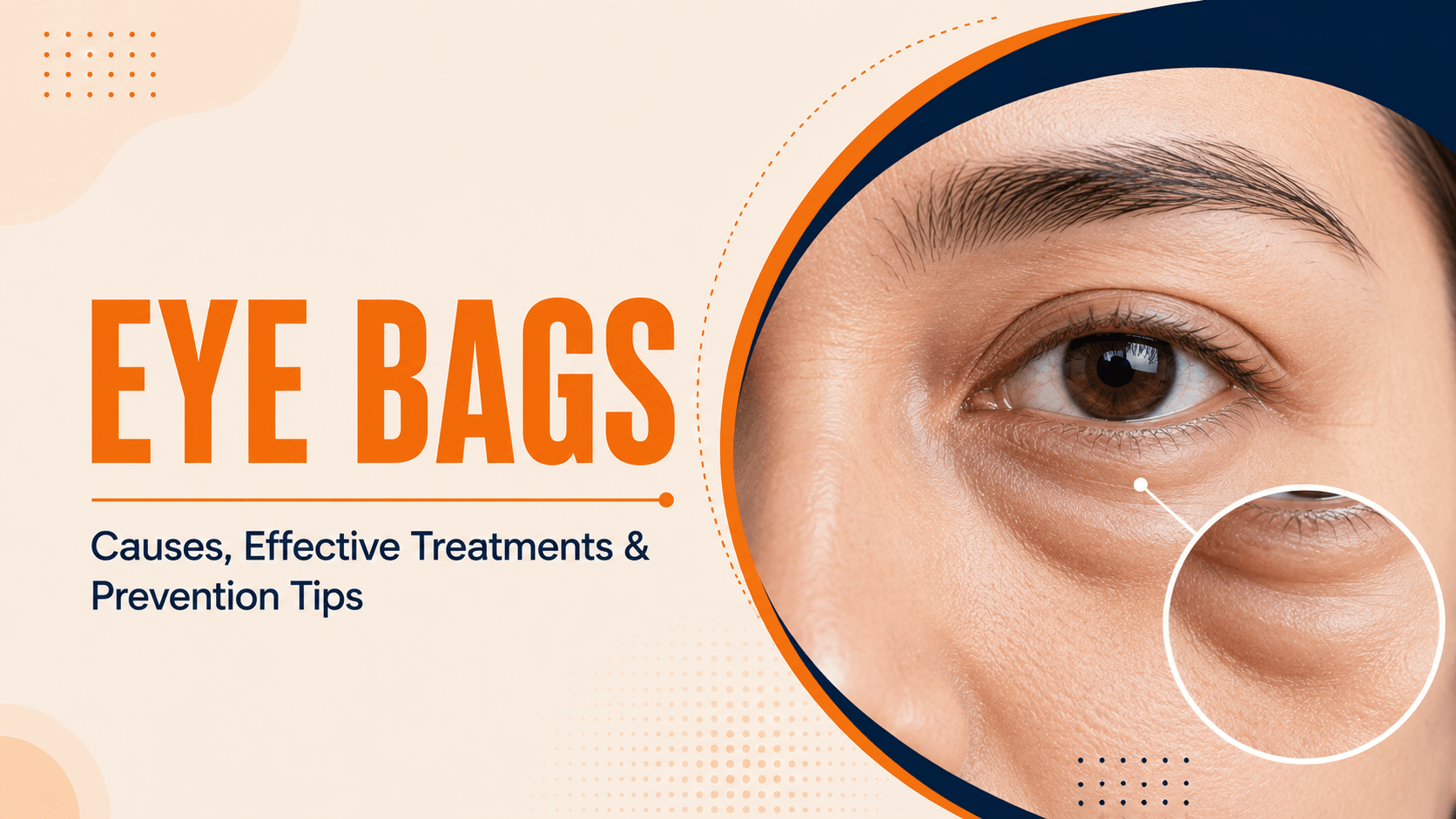
What Are Eye Bags and Why Do They Occur?
Eye bags are areas of mild swelling under the eyes, puffiness, or loose skin that form below the lower lids. They develop because the skin around the eyes is the thinnest and most delicate on the body, so even small changes in fluid, fat, or skin elasticity quickly show up as puffiness around the eyes.
What do eye bags look like and how to identify them
Eye bags typically appear as soft puffiness or a slight swelling under the eyes, just beneath the lower eyelids. You may notice loose or sagging skin, a “tired” look even after rest, and occasionally mild swelling below the eyes from fluid retention that is more obvious in the morning. They are usually painless and affect both eyes fairly evenly.
Difference between eye bags and dark circles
Eye bags and dark circles are often confused, but they are not the same thing. Eye bags are about texture and shape: puffiness, swelling, or sagging caused by fluid or fat. Dark circles are about colour: a darker shade under the eyes caused by pigmentation, thin skin showing the blood vessels beneath, or shadowing from a hollow area. You can have one, the other, or both at the same time, and because the causes differ, the treatments differ too.
Why puffy eye bags become more visible with age
Age is the single biggest reason puffy eye bags become more noticeable. Over time, the tissues and ligaments that hold the natural fat around the eye in place gradually weaken. This allows that fat to shift forward and bulge slightly, creating a puffy contour. At the same time, the skin loses collagen and becomes thinner and less elastic, so it no longer “snaps back” as well. Together, these age-related changes make eye bags more visible year after year.
Common Causes of Eye Bags You Should Know
Several everyday factors contribute to eye bags and puffy eyes. Knowing what causes puffy eyes and the eye bags causes that apply to you is the first step toward choosing the right solution.
Lack of sleep and fatigue
Poor or insufficient sleep is one of the most common triggers. Fatigue can cause fluid to settle under the eyes and make the area look puffy and tired, which is why eye bags often look worse after a late night.
Aging and weakening of the supporting tissues
As described above, ageing weakens the structures that support the lower eyelid, allowing fat to bulge forward while the skin thins. This is a structural change rather than something you can fully reverse with creams alone.
Fluid retention due to salt intake or lifestyle
A high-salt diet, alcohol, dehydration, hormonal changes, and even sleeping flat on your back can all cause water retention, making fluid pool in the thin skin beneath the eyes. This kind of swelling under the eyes tends to fluctuate and is often worst first thing in the morning.
Allergies and eye rubbing
Allergies trigger inflammation and the release of histamine, which can cause the under-eye area to swell. Frequent eye rubbing, common in people with allergies or dry eyes, irritates the delicate skin further and can make puffiness worse.
Genetics and hereditary factors
For some people, under-eye puffiness simply runs in the family. If your parents developed prominent eye bags early, you may be more likely to notice them at a younger age, regardless of your lifestyle.
Screen time and eye strain (modern lifestyle angle)
Long hours on phones and computers do not directly create eye bags, but they contribute indirectly. Excessive screen time is linked to digital eye strain, fatigue, and disrupted sleep, all of which can leave the eyes looking tired and puffy. Taking regular screen breaks supports overall eye comfort.
How to Reduce Eye Bags Naturally at Home
For puffiness driven by fluid, fatigue, or lifestyle, a few simple home measures can offer temporary relief. Keep in mind that these help with mild, fluid-related puffiness; they will not remove eye bags caused by age-related fat or loose skin, which usually need professional treatment.
- Cold compress and ice therapy: Applying a clean, cold compress for a few minutes constricts blood vessels and reduces swelling, giving quick, short-term relief.
- Tea bags and caffeine-based remedies: Cooled, used tea bags placed over closed eyes are a popular remedy; the caffeine and cool temperature may temporarily reduce puffiness, though the effect is modest.
- Hydration and sleep correction: Drinking enough water and getting consistent, good-quality sleep both help limit fluid retention and fatigue-related puffiness.
- Elevating your head while sleeping: Sleeping with your head slightly raised on an extra pillow helps prevent fluid from pooling under the eyes overnight.
- Diet changes that help reduce eye bags: Cutting back on salt and alcohol reduces fluid retention, which can visibly calm morning puffiness.
For many people, combining these habits is the simplest and best way to get rid of eye bags at home when the cause is lifestyle-related.
Medical and Cosmetic Eye Bags Treatment Options
When eye bags are persistent or caused by ageing rather than lifestyle, professional eye bags treatment can help. The right option depends on the underlying cause and severity, so it is worth getting a proper assessment before choosing.
Topical creams and retinol-based solutions
Eye creams containing retinol, peptides, or caffeine can gradually improve skin texture and firmness. They work best for mild skin laxity and offer subtle improvement rather than dramatic change.
Laser treatments and skin tightening procedures
Laser resurfacing and energy-based skin-tightening treatments can improve skin quality, stimulate collagen, and tighten mild under-eye laxity, helping the area look smoother.
Dermal fillers for under-eye volume loss
Under eye fillers add volume to a hollow tear-trough area, which can soften the shadow and step that makes eye bags more obvious. Fillers are best suited to hollowing and volume loss and should always be administered by a trained, qualified practitioner.
Blepharoplasty surgery (eyelid correction)
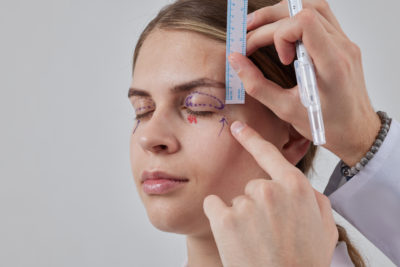
For prominent fat bags or excess sagging skin, blepharoplasty lower eyelid surgery is the most definitive option. The procedure removes or repositions the fat and trims excess skin to restore a smoother contour. Because it involves the eyelid and the area around the eye, it is best performed by an ophthalmologist or oculoplastic surgeon. As with any procedure, the right approach and the results depend on the severity of your eye bags, so a personalised consultation is essential.
The Best Way to Get Rid of Eye Bags, Based on the Cause
There is no single answer to how to get rid of eye bags the most effective approach depends on why you have them. Matching the treatment to the cause is what delivers the best results.
If caused by lifestyle factors
Focus on sleep, hydration, reduced salt and alcohol, and home measures like cold compresses. Lifestyle-related puffiness often improves significantly once these habits are corrected.
If caused by aging
Age-related eye bags involve fat and skin changes that home remedies cannot reverse. Options such as laser skin tightening, under-eye fillers, or blepharoplasty (eye bag removal surgery) are usually more effective.
If caused by allergies
Managing the underlying allergy and avoiding eye rubbing is key. An eye doctor can advise on appropriate treatment so the swelling settles at its source.
If caused by genetics
Hereditary eye bags are usually structural and tend to persist despite a healthy lifestyle. In these cases, fillers or surgical correction often give the most noticeable, lasting improvement.
Daily Habits That Help Prevent Eye Bags
Prevention is easier than correction. These daily habits help reduce eye bags and keep the under-eye area looking fresh:
- Sleep hygiene and routine: Aim for consistent, adequate sleep each night.
- Limit salt and alcohol intake: Both worsen fluid retention under the eyes.
- Proper skincare around the eyes: Be gentle, stay hydrated, and avoid harsh rubbing.
- Sun protection and sunglasses: UV exposure breaks down collagen; sunglasses and sun protection help preserve skin elasticity.
- Manage screen time: Take regular breaks to reduce eye strain and fatigue.
When Should You See a Doctor for Eye Bags?
Most eye bags are harmless and cosmetic. However, you should see an eye doctor if you notice any of the following, as they can occasionally signal a condition that needs attention:
Persistent swelling or pain
Under-eye swelling that is painful, red, itchy, or does not settle should be assessed by a professional.
Sudden or severe puffiness
Puffiness that appears suddenly, is severe, or affects only one eye is worth checking, as it may have a medical rather than cosmetic cause.
Vision-related symptoms
If swelling is accompanied by changes in vision, eye discomfort, or other unusual symptoms, seek prompt medical evaluation rather than treating it as a cosmetic issue.
An ophthalmologist or oculoplastic surgeon can identify the cause and recommend safe, appropriate care.
Conclusion: Managing Eye Bags the Right Way
Eye bags are extremely common and, in the vast majority of cases, completely harmless. For mild, lifestyle-related puffiness, better sleep, lower salt intake, and simple home remedies often make a real difference. When eye bags are caused by ageing or genetics, treatments ranging from skin tightening and under-eye fillers to blepharoplasty can help, and addressing them early makes them easier to manage. Because the best results come from matching the treatment to the cause, a personalised assessment with an eye-care professional is always the smartest first step.







Overall an excellent information and carries lots of takeaways for common people. Good article. 👍
I have eyebags since childhood, What is Best possible treatment. Kindly guide
My mum had eye bags when she was little but it vanished as she grew
I have it now but I don’t know if it’ll ever go 😭
Educative.l love this.