



Cataracts are one of the leading causes of vision impairment worldwide, especially among older adults. As the natural lens of the eye becomes cloudy, light cannot pass through clearly, causing blurred or distorted vision. To evaluate the severity of this condition, ophthalmologists use a structured approach known as cataract grading.
Cataract Grading Explained and Why It Matters
Cataract grading is a systematic method used to evaluate the cloudiness, density, and colour of the eye’s lens. It allows ophthalmologists to classify cataracts by severity and visual impact.
Grading is essential for accurate cataract diagnosis, surgical planning, and monitoring the progression of lens opacity over time.
Understanding What a Cataract Is
A cataract occurs when the clear natural lens of the eye becomes cloudy, reducing vision clarity. This condition can develop gradually and is often associated with ageing, although other causes like trauma, diabetes, or prolonged UV exposure may contribute.

Common Causes of Cataracts
- Age-related degeneration: The most common cause, linked to natural ageing.
- Prolonged UV exposure: Sunlight accelerates protein changes in the lens.
- Eye injury or previous surgery: Can trigger early cataract formation.
- Long-term steroid use: May lead to lens opacity as a side effect.
- Medical conditions: Conditions like diabetes can increase the risk of cataract formation.
Why Early Detection Is Important
Detecting cataracts early helps prevent avoidable vision loss and allows ophthalmologists to plan cataract surgery at the optimal time. Regular eye exams and proper cataract grading enable timely intervention, especially for patients with risk factors like high myopia or diabetes.
How Doctors Assess Cataracts During an Eye Exam
Before assigning a cataract grade, doctors perform a detailed eye examination for cataract grading. This includes assessing the degree of opacity, its location, and the patient’s overall visual function.
Key Cataract Eye Tests Performed
- Visual acuity test: Measures how well a person can read letters or identify symbols at varying distances.
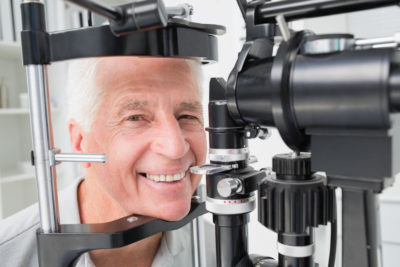
- Slit-lamp examination: A magnified inspection of the cornea and lens to assess clarity and opacities.
- Retinal evaluation: Checks for other causes of vision loss, such as macular degeneration.
- Glare and contrast sensitivity tests: Determine how cataracts affect day and night vision.
The Cataract Grading System Explained
LOCS III Cataract Grading System
The LOCS III cataract grading scale evaluates four key aspects of the lens:
- Nuclear colour (NC): Measures yellowing or browning of the central lens.
- Nuclear opacity (NO): Indicates how dense or opaque the nucleus has become.
- Cortical cataract (C): Identifies wedge-shaped opacities in the outer layer of the lens.
- Posterior subcapsular cataract (P): Detects cloudy areas at the back of the lens.
Other Cataract Grading Systems
- Oxford Clinical Cataract Classification: A simplified system for clinical use.
- Wisconsin Cataract Classification: Used in large-scale population studies.
- WHO Cataract Grading System: Adopted globally for public health reporting.
Step-by-Step Process of Cataract Grading
Step 1 – Visual Examination
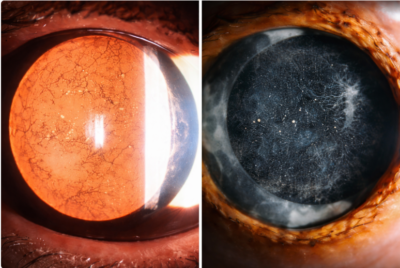
Using a slit-lamp microscope, the doctor observes the lens to identify the type and extent of cloudiness or colour change.
Step 2 – Lens Photography
Images of the lens are taken under standard lighting to document opacity. These photos are used for future comparisons to monitor progression.
Step 3 – Assigning the Grade
Each cataract type, nuclear, cortical, or posterior subcapsular, is given a numerical grade based on appearance and density.
Step 4 – Clinical Correlation
The ophthalmologist matches the grading results with the patient’s visual complaints and daily challenges, such as glare or reading difficulty.
Step 5 – Decision for Treatment
If cataract grading shows a significant visual impact, surgery is recommended. Otherwise, routine monitoring continues until surgery becomes necessary.
What Each Cataract Grade Means for Vision
The cataract grading chart helps correlate clinical findings with functional vision loss.
Grade 1-2: Early Stage
Minimal lens clouding, often without major symptoms. Early stages may only cause mild glare or blurred distance vision.
Grade 3-4: Moderate Stage
Noticeable glare, poor night vision, and difficulty reading small print. Activities like driving at night become challenging.
Grade 5-6: Advanced Stage
The lens appears brown or white; vision becomes severely impaired. Surgery is the only effective treatment at this point.
Role of Cataract Grading in Deciding Surgery
Cataract grading plays a vital role in surgical planning and timing. High grades indicate dense cataracts that significantly affect daily activities.
When Is Surgery Recommended?
- When blurred vision interferes with reading, driving, or work.
- When the cataract causes glare or prevents examination of the retina.
How Grading Affects Surgical Planning
The cataract grading system helps surgeons plan the procedure, select the intraocular lens (IOL), and estimate phacoemulsification power to achieve optimal results.
Can Cataract Grading Change Over Time?
Cataracts are progressive, meaning their grade can increase with age, sunlight exposure, or conditions like high myopia and diabetes.
Monitoring Cataract Progression
Regular eye check-ups every 6-12 months help track changes. The ophthalmologist compares previous photographs and grades to assess whether surgery is needed.
How Cataract Grading Helps Improve Patient Outcomes
Accurate cataract grading leads to better surgical timing, improved visual outcomes, and enhanced quality of life. It also allows patients to understand their eye health and make informed treatment decisions.
Conclusion
Cataract grading is a critical part of eye care that helps ophthalmologists evaluate lens opacity, track disease progression, and plan effective treatment. Systems like the LOCS III cataract grading scale standardise diagnosis, ensuring consistency and accuracy.
Regular eye exams are essential for monitoring cataract development and preserving clear vision. If you experience blurred vision or glare, consult an eye specialist for a professional cataract assessment and personalised care plan.