



What Is Posterior Capsular Opacification?
Posterior capsular opacification (PCO) is a common condition that may occur months or years after cataract surgery. During cataract surgery, the cloudy natural lens is removed and replaced with an intraocular lens (IOL). The thin membrane, or capsule, that holds this IOL remains in place.
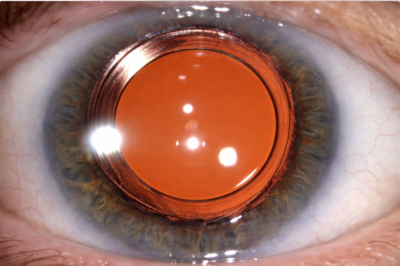
Over time, this capsule can become cloudy, resulting in secondary cataract, also known as clouding after cataract surgery or IOL capsule opacity. Although it can feel similar to cataracts, with vision becoming hazy or blurred, it is not a recurrence of the original cataract. PCO is treatable with a simple outpatient laser procedure.
What Causes Posterior Capsular Opacification?
The causes of posterior capsular opacification relate mainly to how the eye heals after cataract surgery. After the natural lens is removed, some lens epithelial cells remain on the capsule. These cells may multiply, migrate and thicken the capsule, forming a cloudy layer behind the IOL.
Factors that influence this process include:
- Surgical technique
- Type and design of the IOL used
- Patient age and individual healing response
Symptoms of Posterior Capsular Opacification
Common symptoms of posterior capsular opacification often resemble the initial cataract signs, making patients think their cataract has returned. Key symptoms include:
- Blurred or Hazy Vision: Vision becomes cloudy or foggy, making objects appear out of focus.
- Glare or Halos Around Lights: Many patients report haloes, especially while driving at night or facing bright lights.
- Reduced Contrast Sensitivity: Colours may look faded, and distinguishing objects in dim settings becomes difficult.
- Difficulty Reading or Driving at Night: Clear vision for routine tasks may decline gradually.
How Is Posterior Capsular Opacification Diagnosed?
Diagnosis of posterior capsular opacification is done during a routine eye examination. The ophthalmologist may use:
Slit-lamp Evaluation
A microscope with bright light allows clear visibility of the cloudy capsule.
Vision Acuity Test
Measures how PCO affects central vision.
Ophthalmologist Confirming Clouding Behind the IOL
The doctor identifies the opacity directly behind the lens implant. These steps together confirm the diagnosis of posterior capsule opacity and guide treatment.
Treatment for Posterior Capsular Opacification
Posterior capsular opacification treatment involves a specialised laser procedure called YAG laser capsulotomy. It is the only effective treatment and restores clear vision in minutes.
What Is YAG Laser Capsulotomy?
A YAG laser creates a small opening in the cloudy posterior capsule, allowing light to pass through again. Vision typically improves within a few hours. The procedure:
- Is painless
- Takes only a few minutes
- Does not require incisions
- Has an excellent safety record
It is one of the most successful laser treatments for PCO.
Is Posterior Capsular Opacification Surgery Painful or Risky?
The procedure is safe and minimally invasive. Most patients only notice brief flashes of light. Rare complications may include temporary floaters or a slight increase in eye pressure.
Recovery After YAG Laser Capsulotomy
Recovery after posterior capsular opacification treatment is usually quick.
- Vision improves the same day or by the next morning.
- Mild irritation or floaters may occur.
- A follow-up visit is required to monitor eye pressure.
Post-Laser Eye Care Tips
- Use prescribed anti-inflammatory or pressure-lowering drops.
- Avoid rubbing the eyes for 24-48 hours.
- Attend follow-up appointments as advised.
This is standard care following YAG laser recovery and post-capsulotomy care.
Preventing Posterior Capsular Opacification
While PCO cannot be completely prevented, its likelihood is reduced through:
- Newer IOL designs with sharp edges
- Refined surgical techniques
- Thorough capsule cleaning during surgery
- Regular monitoring after cataract surgery
These modern cataract surgery innovations help prevent PCO or delay its onset.
Living With Posterior Capsular Opacification
Patients should know that PCO is common, treatable and not a sign of cataract recurrence. With timely diagnosis and YAG laser capsulotomy, vision clarity is quickly restored.
Routine eye check-ups after surgery help monitor changes in eye health and maintain eye health. This supports patients in living with secondary cataract safely and confidently.
Conclusion
Posterior capsular opacification is a frequent and manageable complication of cataract surgery. It results from natural cell growth on the capsule holding the lens implant.
However, the condition is not a new cataract and is easily corrected with a quick, safe YAG laser procedure. Early diagnosis, routine follow-ups and modern techniques ensure long-term visual clarity.