



You wake up and rub your eyes. Dust blows into your face on the commute and you rub again. Your eyes itch through allergy season, so you rub harder. It is one of the most automatic things we do and one of the few habits that can quietly damage your vision over years.

Key takeaway: Rubbing your eyes occasionally and gently is unlikely to harm a healthy eye. Frequent, forceful or long-term rubbing is a different matter. It can transfer infection from your hands, scratch the cornea, worsen allergies, raise eye pressure, and in people who are susceptible, contribute to keratoconus, a condition where the cornea thins and bulges. The safer approach is to treat the reason your eyes itch, rather than the itch itself.
Is Rubbing Your Eyes Bad for You?
Rubbing your eyes is not automatically dangerous, but it carries real risks that increase with how often and how hard you do it. An occasional light rub with clean hands is very different from grinding your knuckles into your eyes several times a day for years.
The risk also depends on who you are. Some people contact lens wearers, allergy sufferers, those who have had laser vision correction, and anyone with keratoconus, glaucoma or high myopia face meaningfully higher risk from the same habit. We cover those groups in detail below.
Why Rubbing Your Eyes Feels So Good
There is a genuine physiological reason the habit is hard to break.
Pressing on the eyes stimulates tear production. Those extra tears briefly lubricate a dry surface and can help flush out dust or an allergen, which is why the relief feels immediate.
There is also a nerve reflex involved. Pressure on the eyeball triggers a response through the vagus nerve that slows the heart rate slightly, producing a mild calming effect. This is why people often rub their eyes when tired, stressed or frustrated, not only when itchy.
The problem is that the relief lasts moments. The underlying cause dryness, allergy, fatigue, an outdated spectacle prescription is untouched, so the itch returns and the cycle repeats.
What Happens If You Rub Your Eyes Too Much? 7 Risks
1. Eye infections
Your hands carry bacteria and viruses, however clean they look. Rubbing transfers them directly onto the conjunctiva, the thin membrane covering the white of the eye. This is a common route to conjunctivitis (pink eye), as well as blepharitis and styes. Rubbing an already-infected eye and then touching surfaces or other people also spreads infection outward.
2. Corneal scratches and abrasions
A fingernail, a grain of dust already on the eye surface, or a stray eyelash can scratch the cornea during rubbing. This is called a corneal abrasion, and it is painful. If something has blown into your eye, rubbing is the worst response; you grind the particle across the cornea instead of removing it.
3. Keratoconus
This is the most serious long-term concern. Repeated, vigorous eye rubbing is a recognised risk factor for keratoconus, a condition in which the cornea gradually thins and bulges into a cone shape instead of staying smoothly domed. Vision becomes distorted, and ordinary glasses stop correcting it properly.
Keratoconus has a genetic component, so rubbing alone does not cause it in everyone. But in susceptible people, often those with chronic eye allergies who rub for years, it is considered an important and, critically, an avoidable contributing factor. Treatment ranges from specialised contact lenses to corneal cross-linking, and in advanced cases a corneal transplant. Stopping the rubbing early is far easier than treating what follows.
4. Worsening allergies
Rubbing is self-defeating during an allergy flare. If there is enough dust or pollen around to irritate your eyes, it is also on your hands and fingers, so rubbing adds more allergen to the eye surface. Mechanical rubbing also increases histamine release, which means more itching, redness and swelling the exact symptoms you were trying to relieve.
5. Raised eye pressure
Pressing on the eyeball temporarily raises intraocular pressure. For most healthy eyes this is not a concern. For someone with glaucoma, where the optic nerve is already under strain from raised pressure, repeated pressure spikes are best avoided. If you have glaucoma, discuss the habit with your ophthalmologist.
6. Retinal tears and detachment
This is rare and requires forceful, sustained rubbing, but the risk is higher in people with high myopia (strong short-sightedness) or existing retinal weakness, where the retina is already thinner and more vulnerable.
Retinal detachment is a medical emergency. Warning signs include a sudden burst of new floaters, flashes of light, or a dark curtain or shadow moving across your vision. These need same-day assessment; see the urgent care guidance below.
7. Dark circles and puffiness
The skin around the eyes is among the thinnest on the body. Repeated rubbing can break tiny blood vessels and, over time, contributes to darkening and puffiness in that area. So one of the most common cosmetic complaints about tired-looking eyes is sometimes made worse by the habit meant to relieve them.
Why Do You Feel Like Rubbing Your Eyes? Common Causes
Treating the urge starts with identifying its source:
- Eye allergies – dust, pollen, pet dander, mould, smoke. Intense itching is the hallmark.
- Dry eyes – a gritty, burning feeling, common with long screen use, air conditioning and fans.
- Tiredness and lack of sleep – the eyes feel heavy and the rubbing reflex is partly a comfort response.
- A foreign body – dust, an eyelash, grit from the road.
- An outdated glasses prescription or uncorrected vision problem – the resulting eye strain often triggers rubbing.
- Contact lens discomfort – from overwear, poor fit or a dry lens surface.
- Habit alone – many people rub simply out of routine, with no symptom driving it.
In India, dust and pollution seasons make allergy-driven rubbing especially common, and it tends to spike when air quality worsens or pollen counts rise.
Occasional Rub vs Harmful Eye Rubbing
Not every rub is a problem. This table helps you judge where your habit sits it is a guide, not a diagnosis.
|
Lower-risk rubbing |
Higher-risk rubbing |
|
|
How often |
Occasionally, on waking or when tired |
Many times a day, most days |
|
How hard |
Light pressure with a fingertip |
Forceful, with knuckles or the heel of the hand |
|
Hands |
Freshly washed |
Unwashed, straight after commuting or work |
|
Underlying cause |
None; brief tiredness |
Ongoing itch from untreated allergy or dry eye |
|
Your eyes |
Healthy, no known conditions |
Keratoconus, glaucoma, high myopia, recent eye surgery, contact lenses in |
|
What to do |
Fine, but blink and rest instead where you can |
Treat the cause and break the habit; see an eye doctor |
Who Should Be Most Careful About Rubbing Their Eyes
Contact lens wearers
Rubbing with lenses in can dislodge or fold the lens, trap debris underneath it, and scratch the cornea. Lens wearers also touch their eyes more often than average, raising infection risk. If your eyes itch while wearing lenses, remove the lenses first rather than rubbing over them, and speak to your practitioner if it happens regularly.
After LASIK or other eye surgery
This matters more than most people realise. After LASIK and similar procedures, the cornea needs time to heal, and rubbing can disturb that healing. Surgeons routinely advise against rubbing the eyes for a defined period afterwards and often provide a protective shield for sleeping.
Follow your own surgeon’s instructions on timing; they are specific to your procedure and your healing. If you rub your eye accidentally after surgery, or notice sudden blurring, pain or watering afterwards, contact your surgical team rather than waiting for the next scheduled visit. Detailed guidance is available in Dr Agarwal’s LASIK recovery guide.
People with keratoconus, glaucoma or high myopia
If you already have any of these, eye rubbing is not a minor habit it can accelerate the underlying problem. Ask your ophthalmologist for a specific plan to control the itch that is driving it.
Why Do Babies and Children Rub Their Eyes?
Parents ask this constantly, and most of the time the answer is reassuring.
Babies commonly rub their eyes when they are sleepy or overtired it is one of the classic tired signals, alongside yawning and fussiness. Infants also explore with their hands, and some rub during teething discomfort.
However, persistent or intense rubbing in a child deserves attention, because children are less able to describe what they feel. Common medical reasons include eye allergy, a blocked tear duct, an eye infection, or an uncorrected vision problem making the child strain.
Take a child to an eye doctor if you notice:
- Rubbing that is constant, forceful, or clearly distressing rather than sleepy
- Redness, swelling, sticky discharge or persistent watering
- Sensitivity to light, or squinting in bright conditions
- Sitting very close to screens or books, or tilting the head to see
- One eye being rubbed far more than the other
One point deserves emphasis for Indian parents: a severe form of childhood eye allergy called vernal keratoconjunctivitis (VKC) causes intense itching and can lead to very heavy, sustained eye rubbing. Because that degree of rubbing is itself a keratoconus risk factor, children with recurrent severe eye allergy benefit from proper treatment rather than being left to manage the itch by rubbing. Guidance on eye allergies in children covers this in more detail.
What to Do Instead: 8 Safer Ways to Relieve Itchy Eyes
- Use a cool compress. A clean cloth soaked in cool water, placed over closed eyes for a few minutes, calms itching and reduces swelling without pressure on the eyeball.
- Use lubricating eye drops. Preservative-free artificial tears relieve dryness and help flush irritants. Keeping them refrigerated makes them more soothing.
- Blink deliberately. Several slow, complete blinks spread fresh tears across the eye, providing the same relief rubbing provides, without the risk.
- Rinse, don’t rub, if something enters your eye. Flush with clean sterile saline or artificial tears. If the sensation persists, see a doctor rather than digging for the particle.
- Ask about allergy eye drops. Antihistamine and mast-cell-stabiliser drops target the itch at source. These should be chosen with a doctor some drops, particularly steroid-containing ones, are unsuitable for unsupervised long-term use.
- Reduce your exposure. Keep windows shut when dust or pollen is high, wear wraparound sunglasses or a visor on two-wheelers, and rinse your face after coming indoors.
- Use a tissue, not fingers. If you must touch the eye area to dab watering or adjust something, use a clean tissue on the outside of the lid.
- Wash your hands first. If you are going to touch your eyes at all, do it with clean hands. This single change removes much of the infection risk.
How to Break the Eye-Rubbing Habit
Willpower alone rarely works, because the itch keeps returning. Treat the cause first, then address the reflex.
- Get the underlying condition diagnosed and treated: allergy, dry eye or an outdated prescription. Most people find the urge fades once the cause is managed.
- Keep artificial tears within reach at your desk, in your bag and by your bed, so relief is easier than rubbing.
- Keep fingernails short to limit damage on the occasions you slip.
- Give your hands something else to do when the urge strikes.
- If you rub in your sleep or wake up rubbing, mention it to your ophthalmologist sleeping face-down with an eye pressed into the pillow or hand is worth discussing, particularly if you have keratoconus in the family.
When Should You See an Eye Doctor?
Book an appointment if:
- Your eyes itch most days, or you cannot stop rubbing them
- Redness, watering or discharge keeps returning
- Vision has become blurred, distorted, or is changing often
- Your glasses prescription seems to change frequently; this can be an early sign of keratoconus
- Your child rubs their eyes persistently or forcefully
- You wear contact lenses and experience regular discomfort
Seek urgent eye care the same day if you have sudden severe eye pain, a sudden drop in vision, a sudden shower of new floaters, flashes of light, or a curtain-like shadow across your vision particularly after forceful rubbing or an injury. These are not symptoms of ordinary irritation.
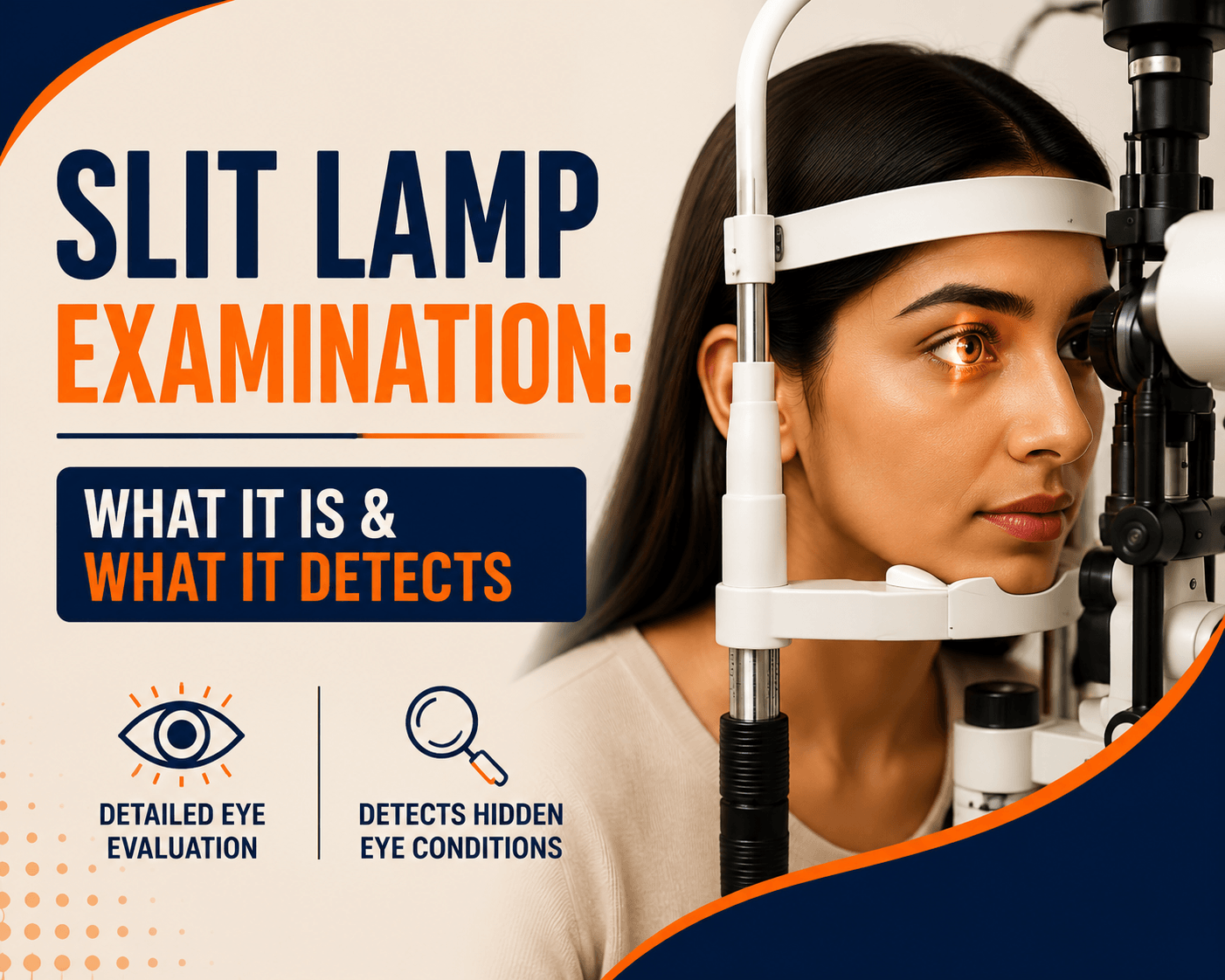
A comprehensive eye examination can identify what is driving the itch and check the cornea for early changes, so the habit can be addressed before damage develops.
Conclusion
Rubbing your eyes is one of the easiest habits to overlook and one of the most worthwhile to change. The occasional gentle rub with clean hands is not something to worry about. Rubbing hard, often, and for years usually because an allergy or dry eye has never been properly treated, is where the damage happens, and keratoconus is the outcome no one anticipates until vision has already changed.
The practical fix is not to fight the urge but to remove it: find out why your eyes itch and treat that. If your eyes itch most days, if your prescription keeps changing, or if your child rubs constantly, an eye examination is the sensible next step.